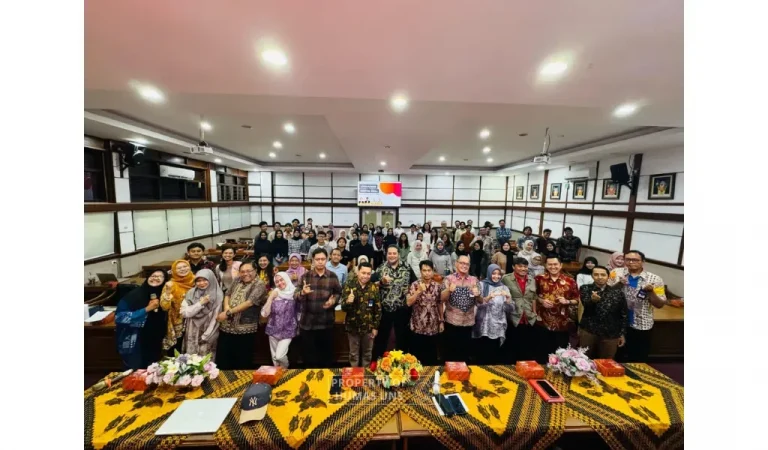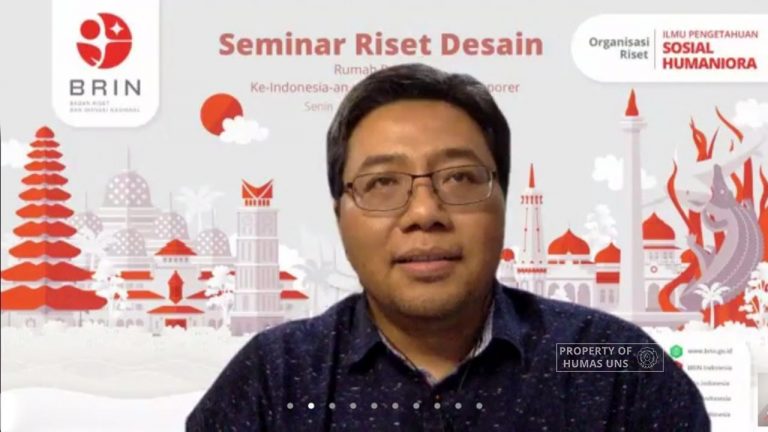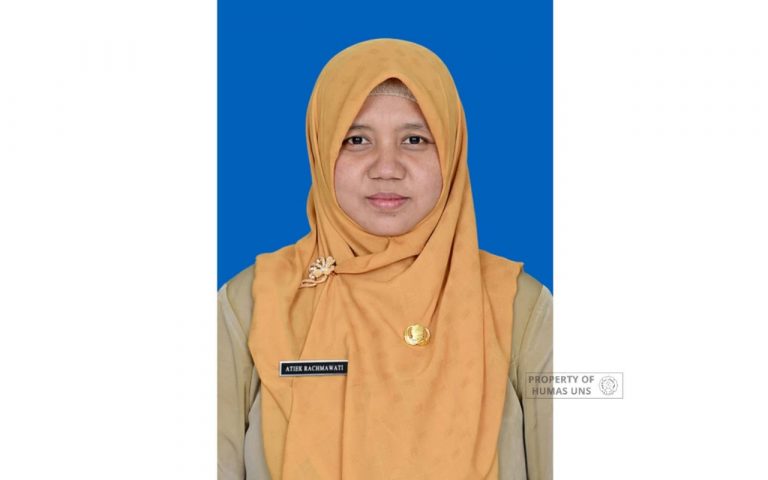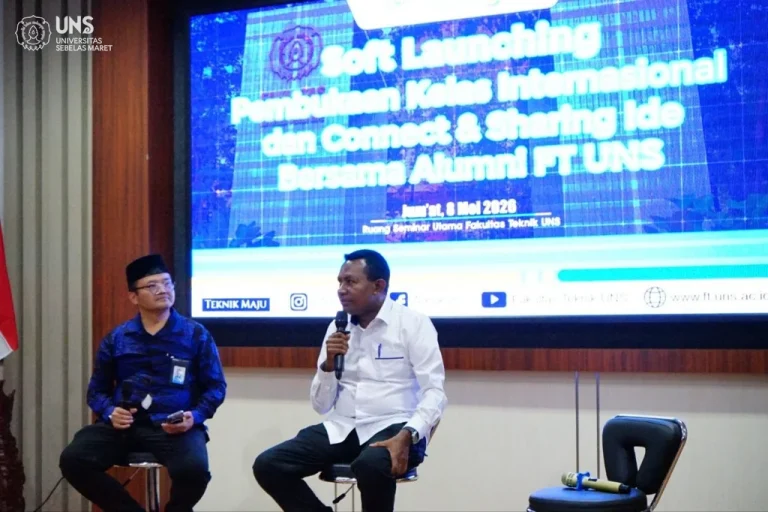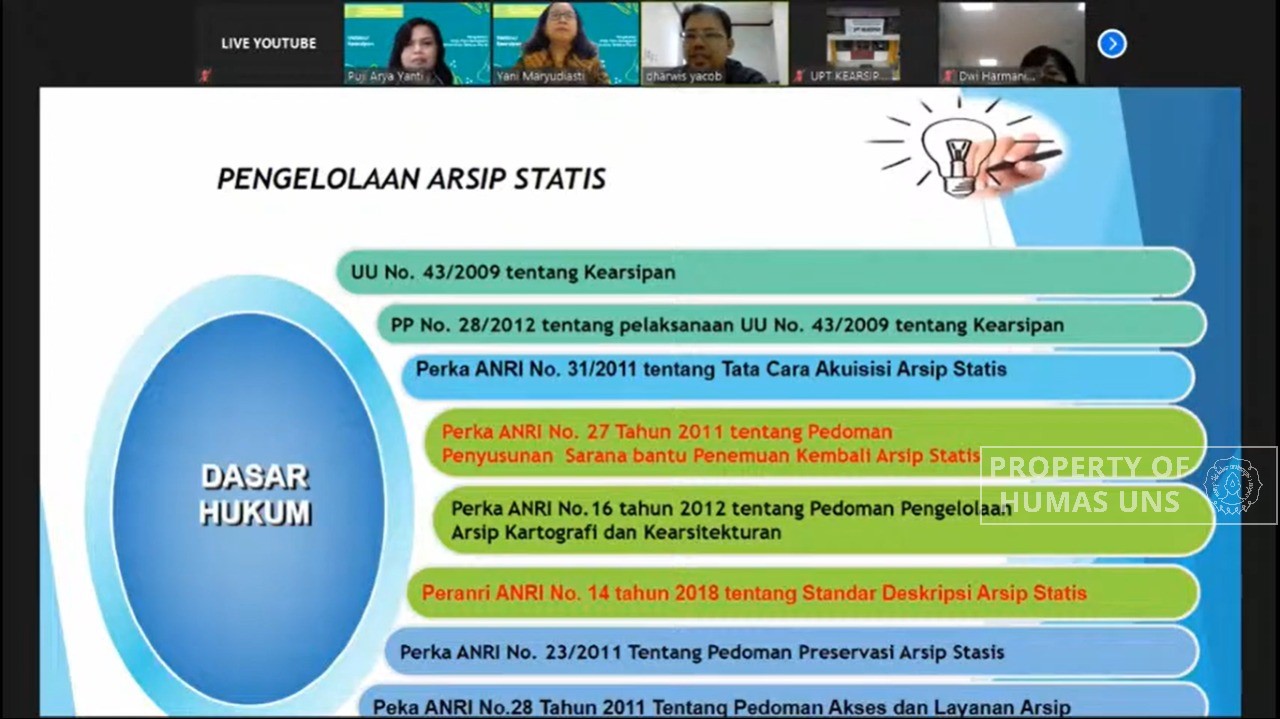
UNS — Technical Implementational Unit of Archives (UPT Archive) Universitas Sebelas Maret (UNS) Surakarta hosted a webinar in ‘Photo Archive’, the event was hosted through Zoom cloud meeting and Youtube live streaming on Wednesday (5/8/2020). The UNS UPT Archive invites Associate Archivist from the National Archives of the Republic of Indonesia, namely Dharwis W.U. Yacob, M.Si. Also present during the event, the Head of UNS UPT Archive Yani Maryudiasti, S.Sos., who also delivers an opening remark for the webinar.
In her remarks, Yani Maryudiasti, S.Sos., explains another archive form that rarely known, namely in the form of photo archives. “Most people are more familiar with archives in textual or paper form, in fact, there are other forms of archives that are used in the context of implementing government activities and life, namely photo archives. A collection of photos whose information is in the form of visualization of momentary activities, obtained through photography and calculations with textual archives. Photo archives that have historical value need to be preserved, let’s learn to process photo archives, thus they can become information needed,” explained her during the opening remark.
Meanwhile, Dharwis, in his material presentation, delivers the management of dynamic and static photo archive. “A dynamic archive is an archive that is used directly in the activities of an archivist and is stored for a certain period of time including vital, active, and inactive records. Then a static archive is an archive produced by an archivist because it has historical value, has expired retention, and has permanent information that has been verified, either directly or indirectly, by ANRI or archival institutions,” he explains.
In managing the static archive there is a legal basis for the action, namely the Regulation of ANRI Chair Number 27 of 2011. Based on the regulation, static archive management is the creation of an archive recovery tool based on the applicable archiving principles. Dharwis also said that in the static archive management, there are several principles that must be considered.
“The first principle is the principle of origin, which is to keep the archives organized within/under one archive creator, not mixed with the archive from other creators. Then, the principle of the original regulation, keeping the archives organized according to the rules or regulations, when the archives are still used for the implementation of the creator’s activities which are intended to maintain the integrity and reliability of the archive,” he elaborated.
The list of static file compilation starts with the identification of information on the archives that will be processed, and the tracking means to design for the archive. Identification of archival information is carried out to find out things related to the creator of the archive, the arrangement system, the type of archive, the period of time, the number or volume, and the physical condition. Dharwis also explained about the identification of the UNS photo archive that had been carried out.
“The UNS Photo Archive for the period of 1995-2005 was submitted by the current Rector of UNS, Prof. Jamal Wiwoho to the Head of the UPT Archives of UNS, Mrs. Handayani. When submitted, the files totaling 4,349 photos had not been reorganized. Information from the archive is in the form of photos of the activities of the UNS Rector Haris Mudjiman,” he recounts.
In preparing the technical plan for the photo archive list, several steps must be carried out one by one. These stages include identification, archive planning, source, and reference tracking, reconstruction, description, data maneuvering, definitive arrangement schemes, numbering, and inventory documentation. “When processing archives, we must be patient, diligent, thorough, and do not need to rush,” he concluded at the end of his presentation. Humas UNS
Reporter: Bayu Aji Prasetya
Editor: Dwi Hastuti