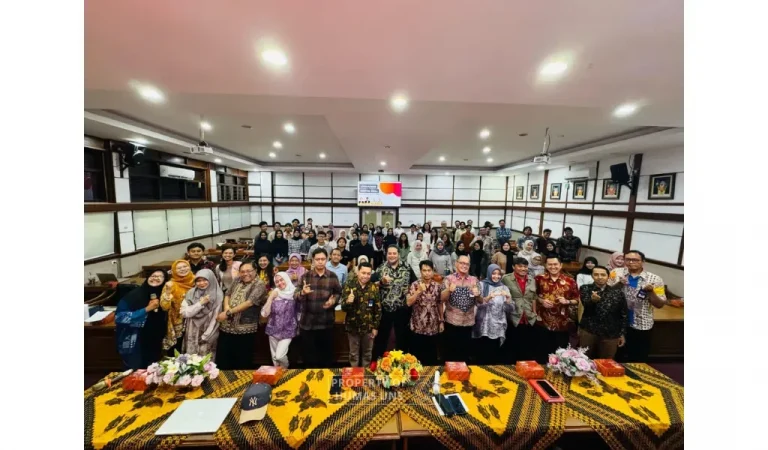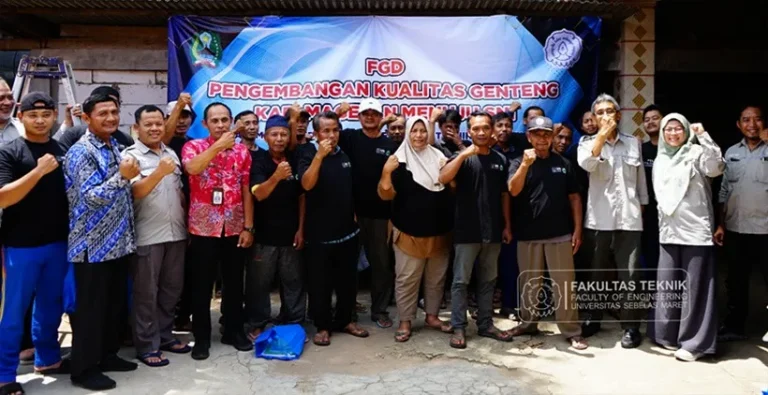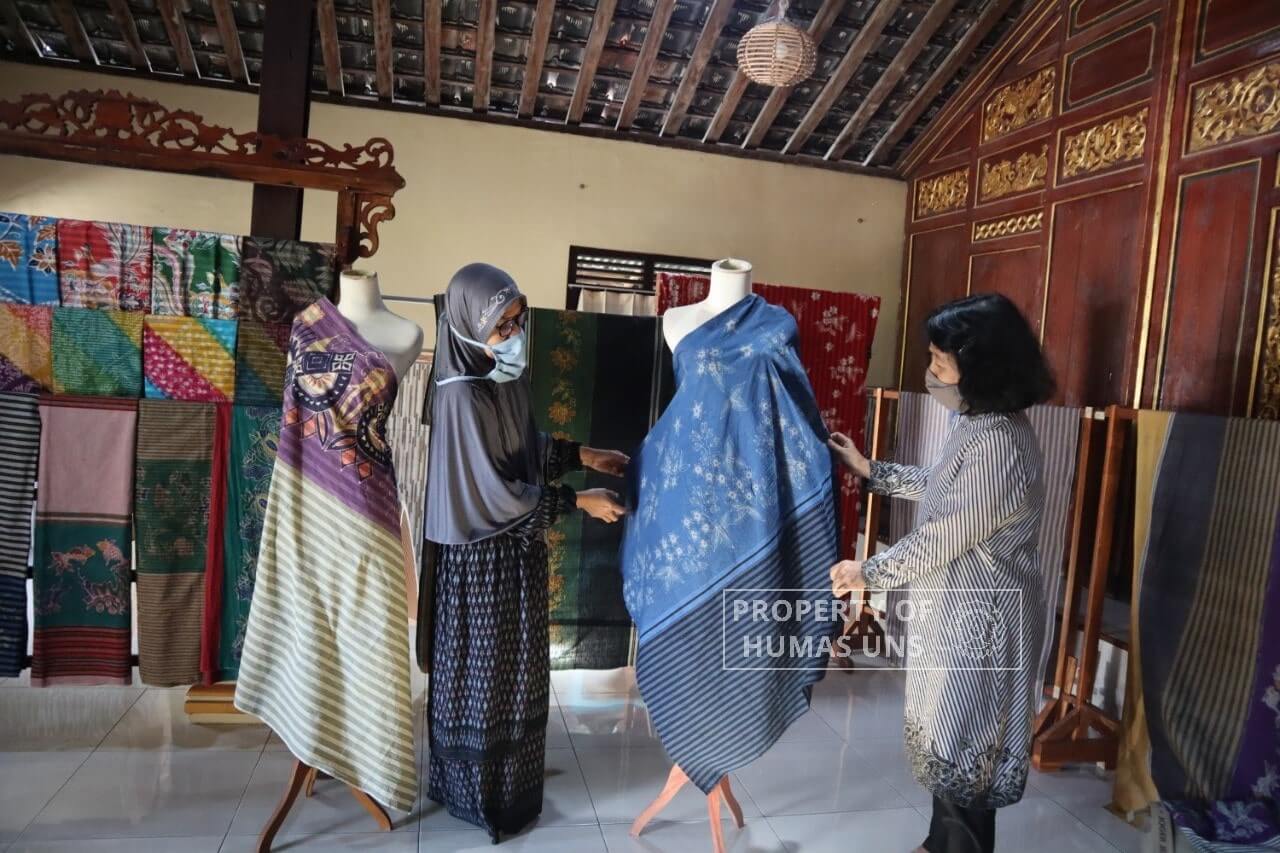
UNS — The Community Service Team Institute of Research and Community Service (LPPM) Universitas Sebelas Maret (UNS) Surakarta create an innovation of lurik batik. This is implemented in the community service program in Tlingsing Village, Cawas Subdistrict, Klaten District. On Tuesday (15/9/2020), the team conducted a roadshow and socialization of research results and community services entitled Innovation on Lurik Batik Creative Art Innovation to Diversify Typical Souvenirs of Klaten Regency, Central Java.
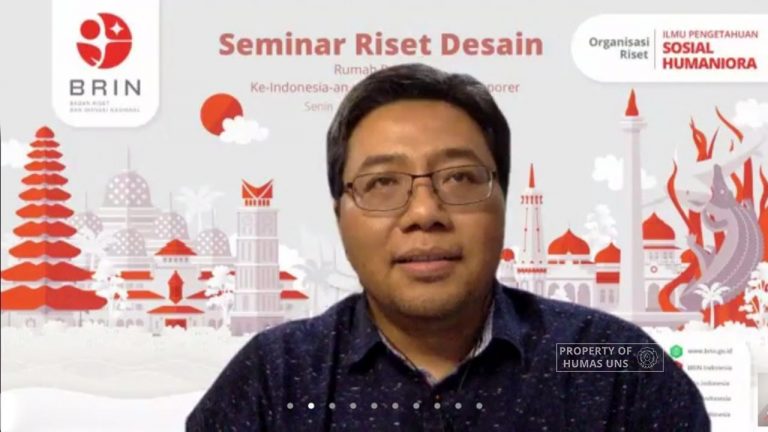
The Head of LPPM UNS, Prof. Okid Parama Astirin stated that the creation of lurik batik is an innovation to develop conventional lurik motives. There is an innovation which is still in the realm of traditional arts, batik. This is the excellence that is raised by the research and community service team of LPPM UNS. It is expected that this innovation can improve the productivity of Micro, Small, and Medium Enterprises (MSMEs) in Klaten. Hopefully, there will be a certain day, for example, Friday, when all employees wear clothes made from lurik.
Representing the team leader of the Community Service Team, Prof. Tulus Haryono, Dra. Rara Sugiarti, M.Tourism. stated that the tourism attractions in Klaten are very abundant. Usually, batik is made on cotton cloths, but the team find another potential, lurik cloths. She stated that the challenge is in the development of design and motives before the team have the idea to innovate on lurik cloths. “We named the motive, Luba, a combination of lurik and batik. So, we developed it as a strength for the Klaten regional product because here it has lurik and also has batik and a combination of both,” she explained.
Batik made from Luba cloths is batik tulis (hand-made batik) created manually. Currently, the team has entered the production process for the product and will continue to explore the development of design and motives. The motives are in the shape of flowers, animals, and classical motives such as sidomukti, sidodadi, sidoluhur, parang, semen, and others. Currently, the coloring is performed using naptol dye because natural coloring trial resulted in faded color and naptol provides a more lively and bright colors.
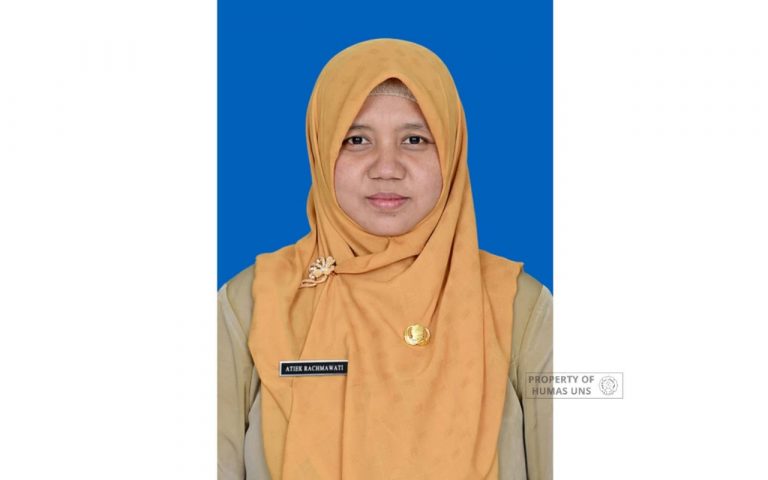
One of the MSMEs, Nurul Fatimah appreciated the assistance and the creation of lurik batik conducted by LPPM UNS. She stated that the current market share is in Solo, Yogyakarta, and East Java. Besides marketing the lurik in the form of cloths, Nurul also sells her clothes in the forms of apparel such as shirts and blazers.
“We gathered a weaving group in one RW to help with the production process, within a week we could receive orders for more than 500 meters of cloth. However, because of the pandemic, the order dropped until 70%. For the orders from Jogja, they made the motive and we just make or weave the cloth,” Nurul explained.
Besides direct marketing, Nurul also performs online marketing through online and social media markets. She opened an opportunity for the community around to sell her products. They offer the cloths through pictures, so they do not need to purchase it beforehand. Most of these sellers are adolescences in school age. This community service program is expected to improve the community income in Tlingsing Village, Cawas, Klaten. The lurik batik to give its color in the development of the fashion world, especially lurik. Humas UNS
Reporter: Bayu Aji Prasetya
Editor: Dwi Hastuti