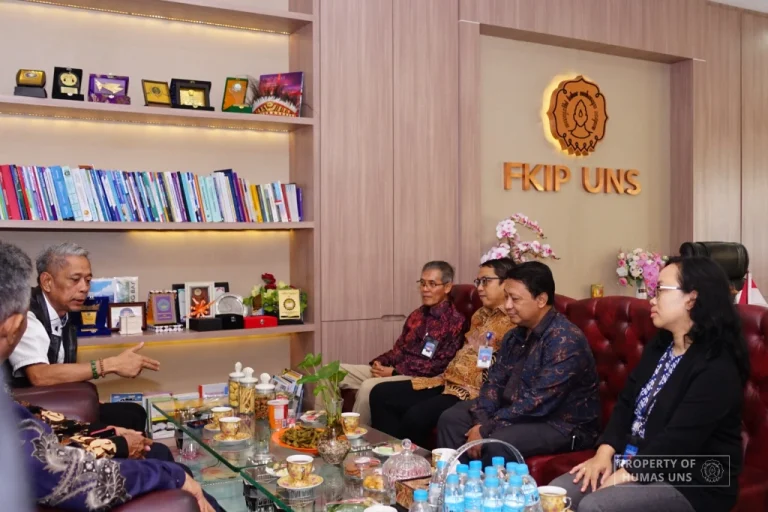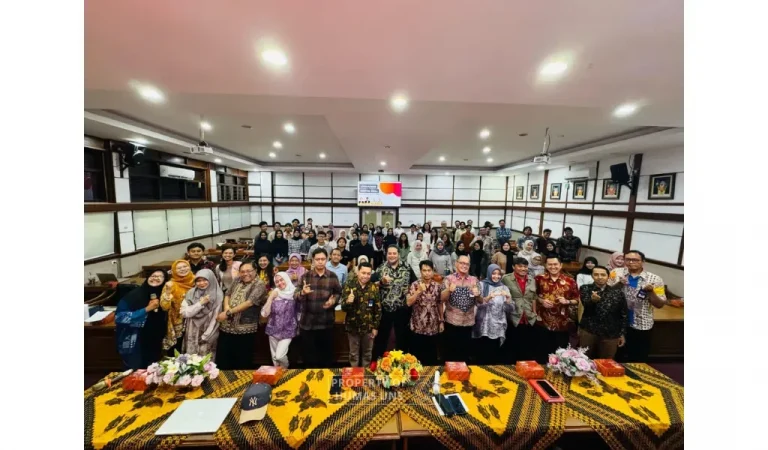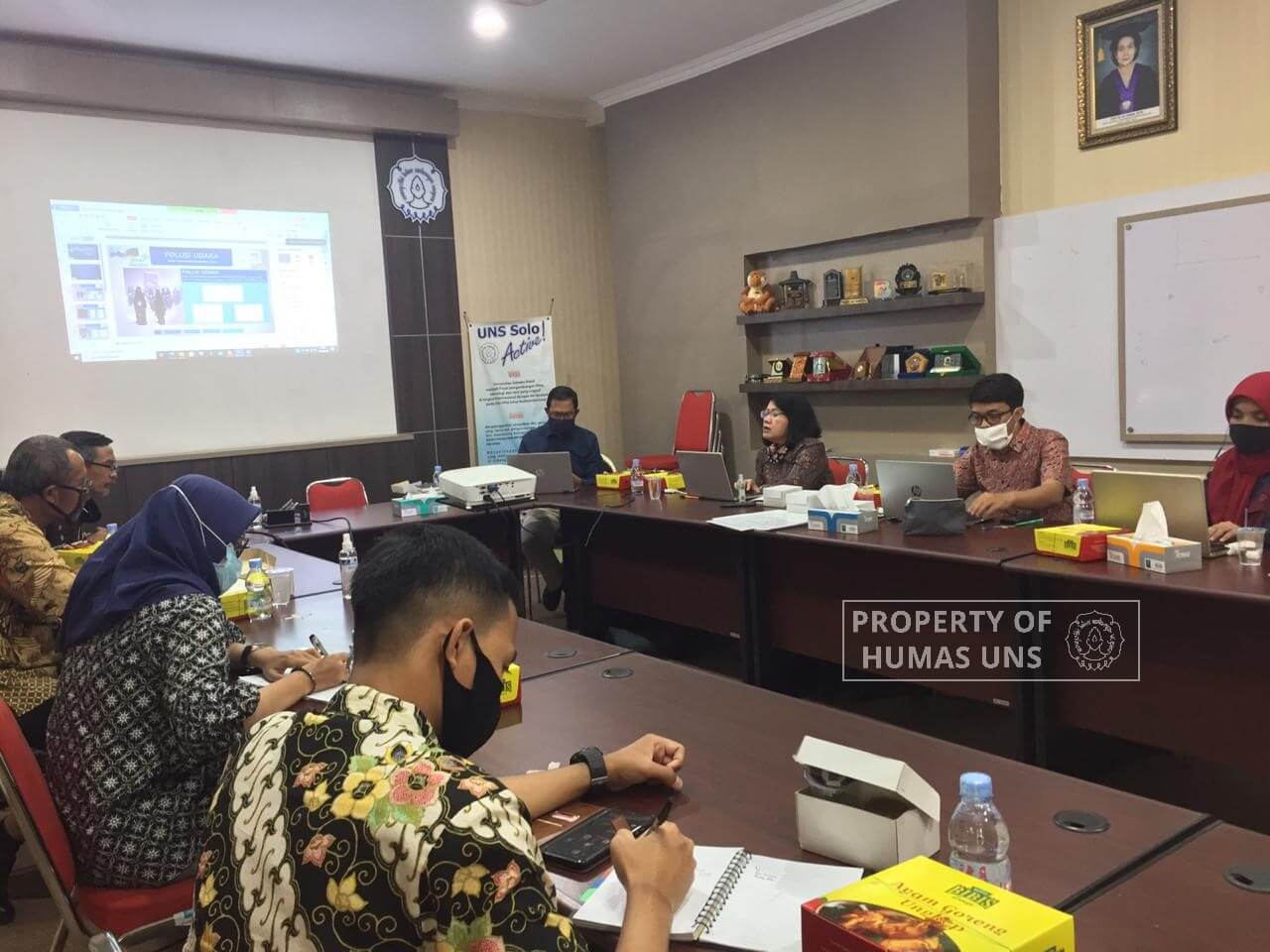
UNS — Faculty Members of Indonesian Language and Literature Education Program Faculty of Teacher Training and Education (FKIP) Universitas Sebelas Maret (UNS) Surakarta held a workshop on Community Partnership Program (Program Kemitraan Masyarakat – PKM). The workshop was held offline in the Institute of Research and Community Service (LPPM) UNS building by implementing health protocol and online through Zoom Meeting application, Saturday (10/10/2020).
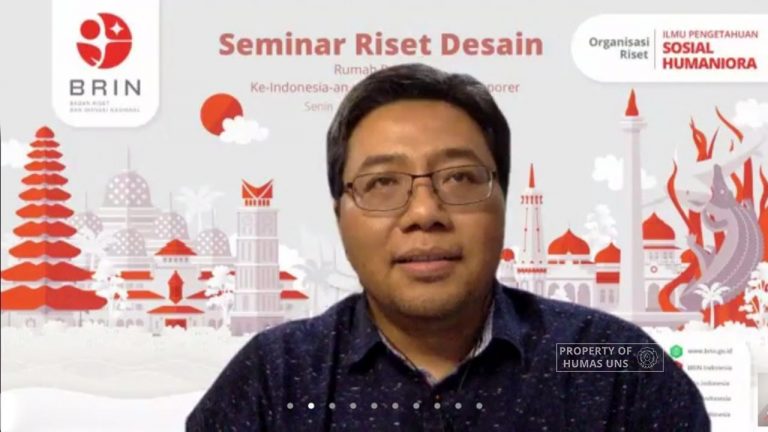
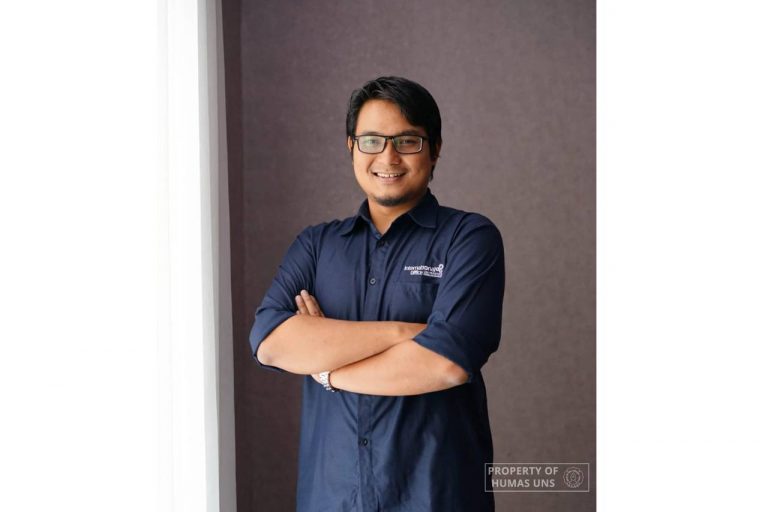
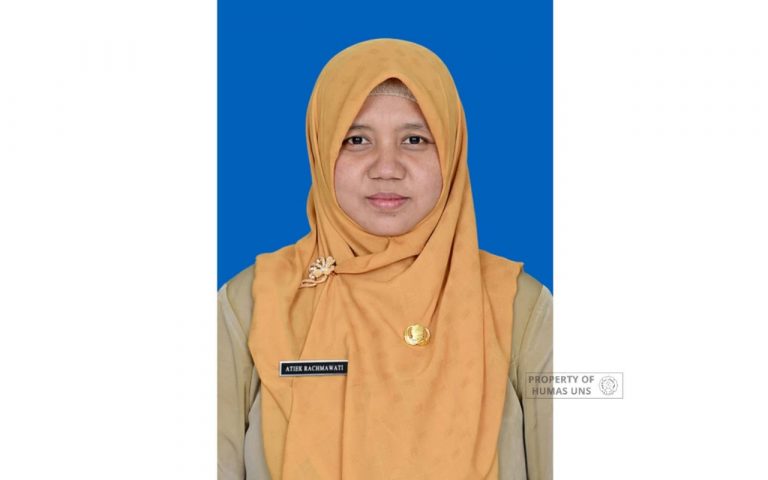
This workshop discussed the ‘Training for Competency Development on Ecological Literacy through Creative Writing and Publishing Opinion Column on Environmental Preservation for Senior High School Students in Surakarta’ and invited four speakers. The speakers are Prof. Dr. Sarwiji Suwandi, M.Pd., Dr. Sugit Zulianto, M.Pd., Dr. Nugraheni Eko Wardani, M.Hum., and Chafit Ulya, M.Pd.
The event was attended by the students of Master and Doctoral program, teachers of Indonesia Language at Senior High School in Surakarta, and the general public. “We want to improve the competence of our Senior High School students in writing articles and opinion on the environmentally friendly article. Teachers who have joined this workshop can design a learning program that aims to achieve the targeted Key Competencies and Basic Competence (KI & KD) in the curriculum and to provide ecological literacy. We hope that children can preserve the environment,” Prof. Sarwiji stated.
The first material was delivered by Prof. Dr. Sarwiji Suwandi, M.Pd. He opened his material by stating that the Environmental Program of the United Nations (UN) periodically reported the increasing environmental damage in the earth. In Indonesia, according to the Indonesian National Board for Disaster Management (BNPB), 1,724 national disasters struck Indonesia during 2020. Prof. Sarwiji added that this can be caused by human actions. “Besides natural factors, researches have stated that various disasters can be caused by human activities; the lack of awareness in protecting the environment,” Prof. Sarwiji explained.
Prof. Sarwiji offered strategies to minimize disasters such as increase environmentally friendly knowledge and behaviors, optimize the role of the book as the key factor in education to transfer environmental related knowledge, and implement environmentally-friendly learning for teachers. UNS also establish a partnership with schools through creative writing of articles on environmental preservation for Senior High School students and conducting a workshop on environmental preservation and article writing.
The second material was presented by Dr. Sugit Zulianto, M.Pd. who discussed the writing of an article on environmentally friendly actions. Writing is a thought process. There are several stages of writing that a person went through, pre-writing, writing, and post-writing stages. At the pre-writing stage, a writer has to determine a topic, material, and title; at the writing stage, a writer has to formulate a framework, start writing, and revising. In the last stage, post-writing, a writer should edit, pay attention to editorial style, and publish their writing. According to Dr. Sugit, in selecting a topic, a writer should avoid plagiarism, discuss current and actual issues. The theme should be phenomenal.
The next material was delivered by Dr. Nugraheni Eko Wardani, M.Hum. on the environmental problems that can be used as a source for writing an article. According to Dr. Nugraheni, in writing opinion column article, a writer needs to be aware of the environmental problems that occur around them. Several environmental problems can be examined by a writer. “The environmental problems include pollution, global warming, irresponsible waste and garbage, and floods,” Dr. Nugraheni explained.
The last material was delivered by Chafit Ulya, M.Pd who discussed the mechanism to publish opinion column article in online media. Online media can become an option to publish article due to several reasons, practical, fast, open, and following the demands of the current development. Chafit provided several tips to submit articles to online media, for example, determine the targeted online media, follow the guidelines, understand the characteristics of articles. “Then, submit your article and wait until it gets published,” she stated.
The event was interactive with several questions submitted by participants in Zoom Meeting and LPPM. Ira Prihapsari, S.Pd., one of the workshop participants stated that this event is very beneficial for her. “(This event) opens my knowledge, it is very beneficial, enrich our knowledge on environmental issues for teachers and students. Tips to write an article is shared, we were trained to think critically and to pour out our thoughts. This is very good and beneficial,” Ira, a teacher SMA Pradipta Dirgantara, explained. Humas UNS
Reporter: Zalfaa Azalia Pursita
Editor: Dwi Hastuti