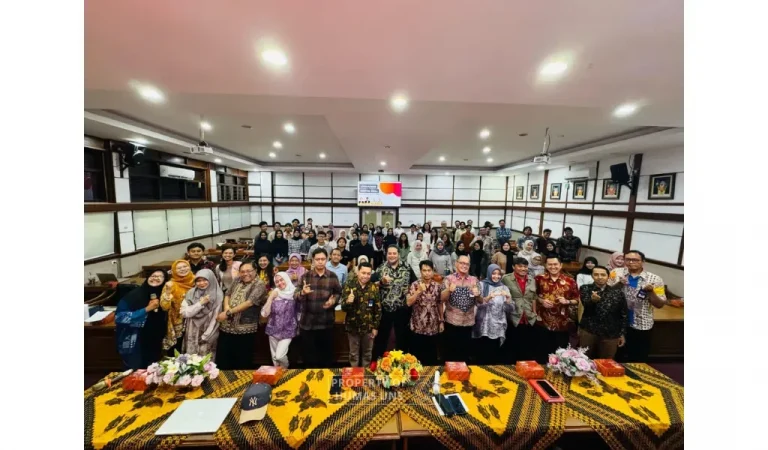
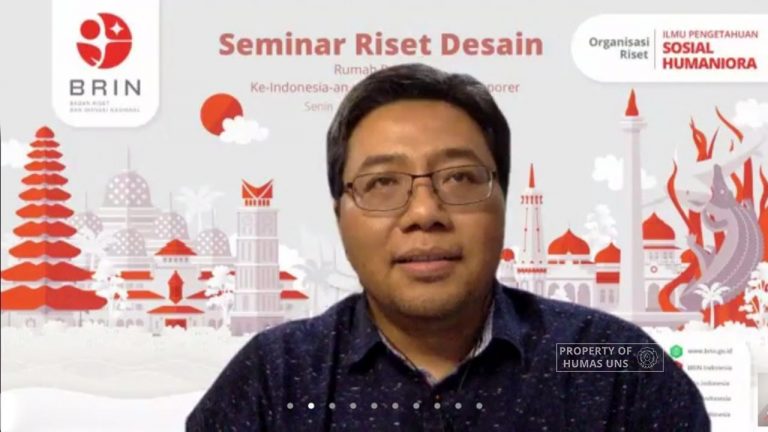
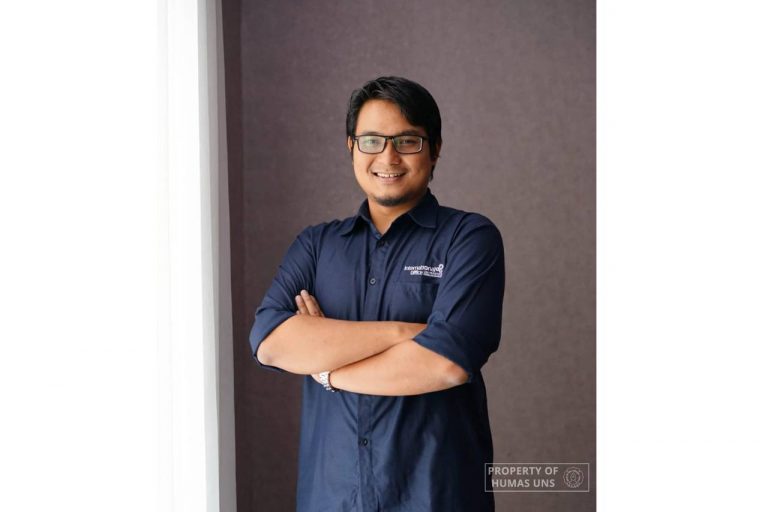
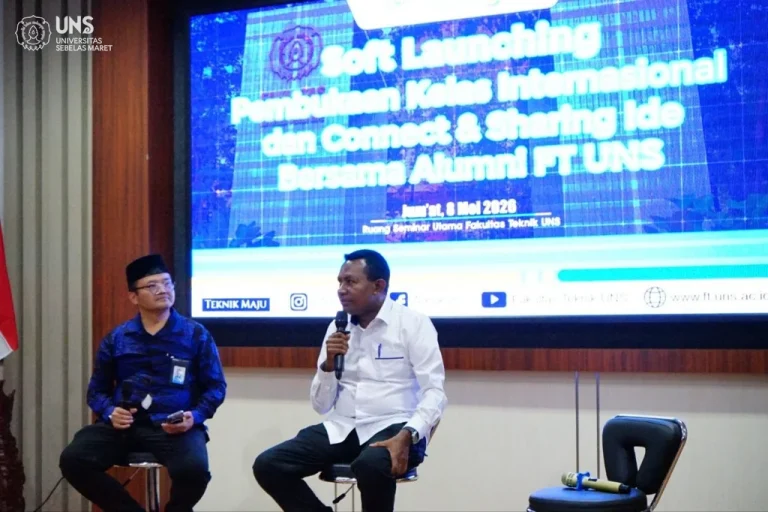
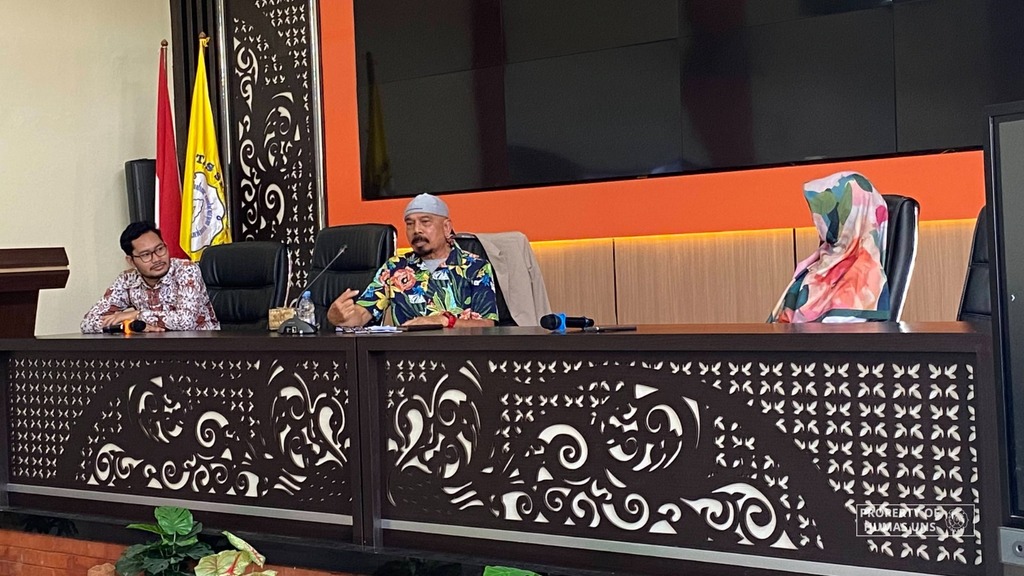
UNS — The Fine Arts Study Program (Prodi) at the Faculty of Arts and Design (FSRD) Universitas Sebelas Maret (UNS) Surakarta held a general lecture entitled “Strategy to Penetrate International Market for Local Artists” on Monday (30/10/2023 ). The General Lecture, which took place in the HB Sutopo Auditorium at FSRD, featured a speaker from Malaysia, Mr. Fauzan Bin Omar, an artist.
Dr. Desy Nurcahyanti, S.Sn., M.Hum., who moderated the general lecture, expressed her gratitude and welcomed Mr. Fauzan for being willing to come to Indonesia to share his knowledge with the students at FSRD UNS.
“Thank you very much to Mr. Fauzan for being willing to come to Indonesia, especially to FSRD UNS. I am very pleased to meet and have extensive discussions with Mr. Fauzan today, along with our students,” Dr. Desy said.
Dr. Desy also briefly introduced Mr. Fauzan Bin Omar’s background. Mr. Fauzan had his education at the Universiti Teknologi MARA (UiTM) and the Maryland Institute College of Arts in Baltimore, Maryland, USA.
In his presentation on the topic “Strategy to Penetrate International Market for Local Artists”, Mr. Fauzan elaborated on the significance of each word. “Strategy is to draw up detailed plans, visions, missions, and goals. Penetrate means to gain access to or expand into new territories. The art market is a physical or figurative place where art is bought and sold. The art market requires artwork, which can be taken from various collectibles, a seller, and a buyer who can participate directly in negotiations or be represented by an agent,” Mr. Fauzan explained.
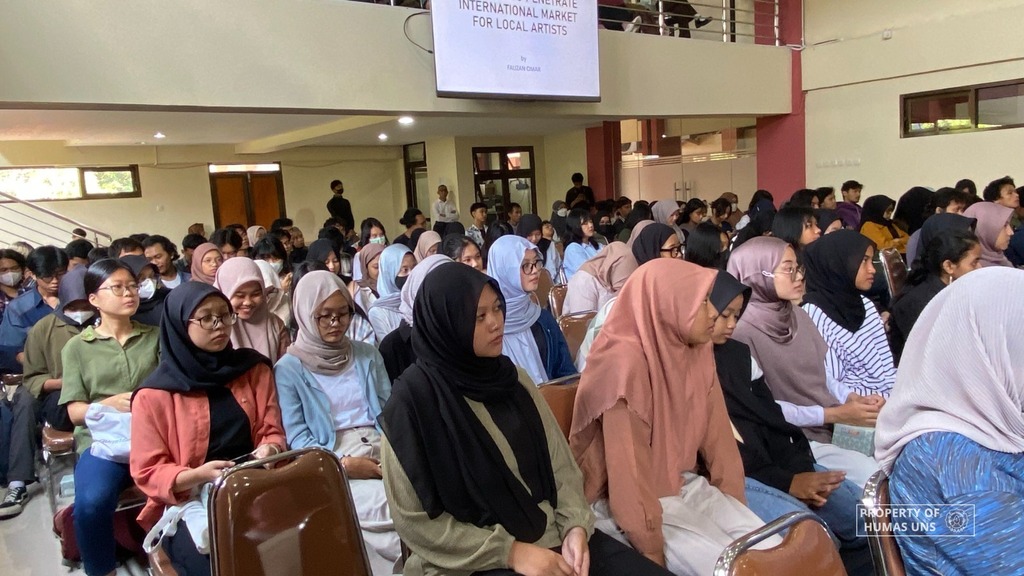
He also emphasized that art marketing serves as the foundation for increasing awareness of an artist’s creations and cultivating a dedicated community of potential customers. In essence, art marketing is the stimulus that ensures an artist’s creations receive adequate attention. Without a strategic approach, the potential audience that appreciates the work may remain limited.
Mr. Fauzan’s observations suggest that there are key points for local artists to enter the international art world. One crucial point is the increasing number of Asian artists on the international art scene, which is quite heartening. This introduces a fresh perspective. The vitality and diversity of art practices in this region can provide a useful guide. As the region experiences growing economic, political, and dynamic cultural interests, artists will become a focus of international attention. The exchange of intellectual and artistic ideas through joint exhibitions, artist residencies, scholars, writers, and curators represents another phase of significant engagement. International collaborations between artists and galleries working on exhibition projects explore new approaches and diverse output concepts.
HUMAS UNS