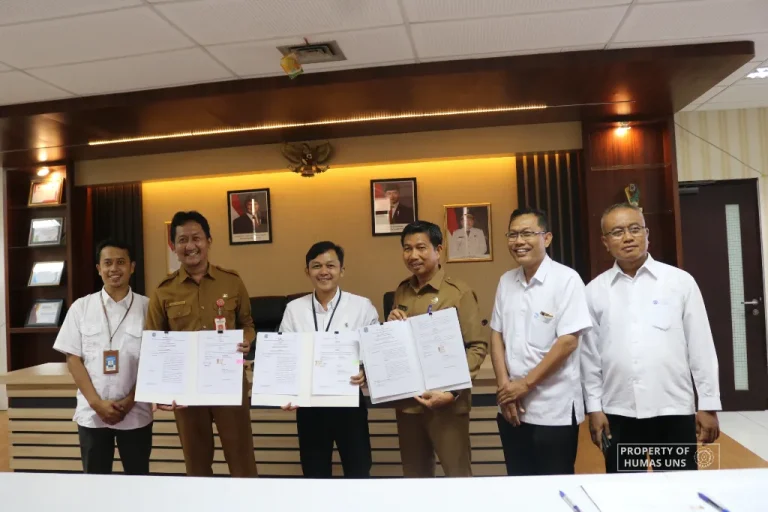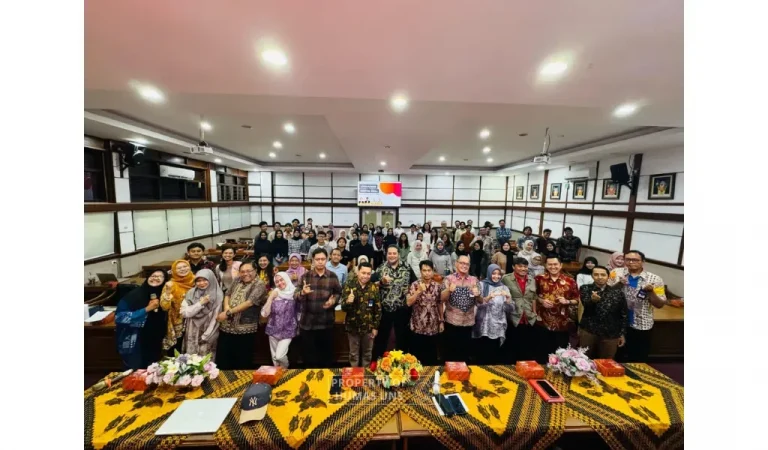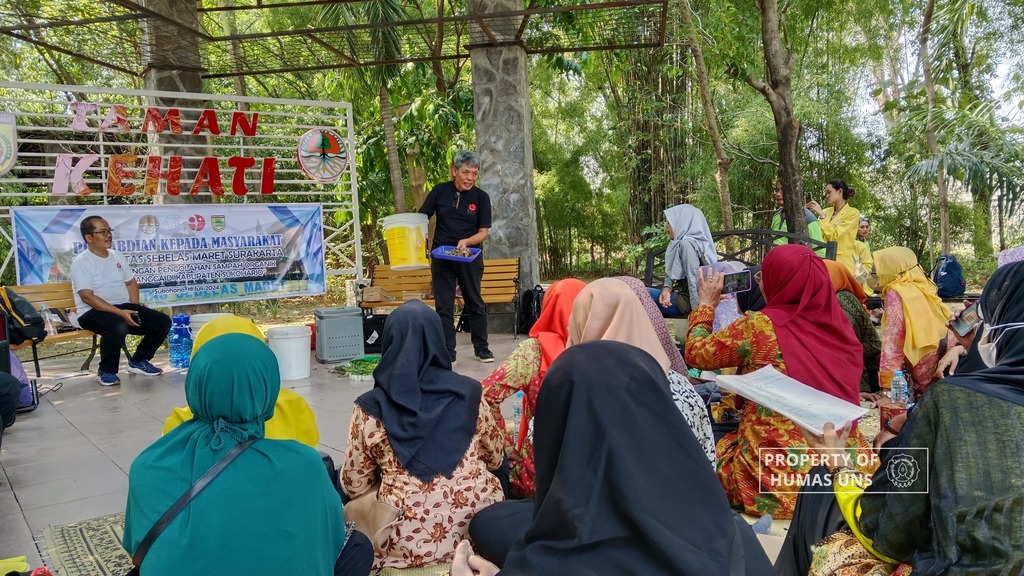
UNS – The Environment and Natural Resource Management Research Group from the Graduate School of Universitas Sebelas Maret (UNS) held a community service activity themed “Empowering Sukoharjo Community in Sustainable Household Organic Waste Management Practices.” This Household Organic Waste Management Assistance event took place at the Kehati Park of the Sukoharjo Environment Agency on Thursday (18/7/2024).
This community service initiative was led by Dr. Siti Khoiriyah, S.Si, M.Si., and included members Prof. Dr. Drs. Pranoto, M.Sc., Dr. Widya Mudyantini, M.Si., Dr. Chanel Tri Handoko, M.Sc., and Dr. Widodo Aribowo, M.A. The event began with remarks from the Head of the UNS Environmental Science Doctoral Program, Prof. Dr. Drs. Pranoto, M.Sc. In his speech, he emphasized that waste has value and requires skills and technology for proper management. “We encourage participants, who are waste bank managers from Sukoharjo Regency, to continuously improve their waste management capabilities,” Prof. Pranoto said.
Agus Suprapto, S.T., M.T., Head of the Sukoharjo Environment Agency, noted in his opening remarks, that the people of Sukoharjo have become increasingly aware and concerned about waste management in their area. The Waste Bank Community is always striving to enhance its role in waste management. “This event was attended by 40 waste bank managers from across Sukoharjo Regency,” Agus Suprapto explained.
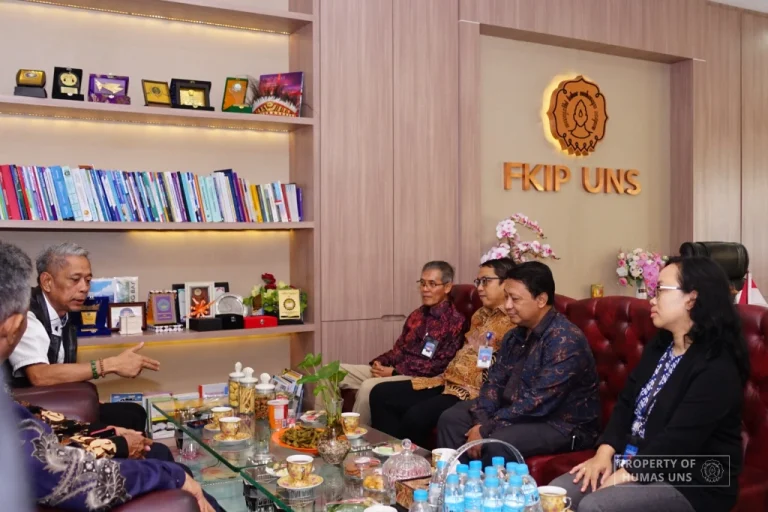
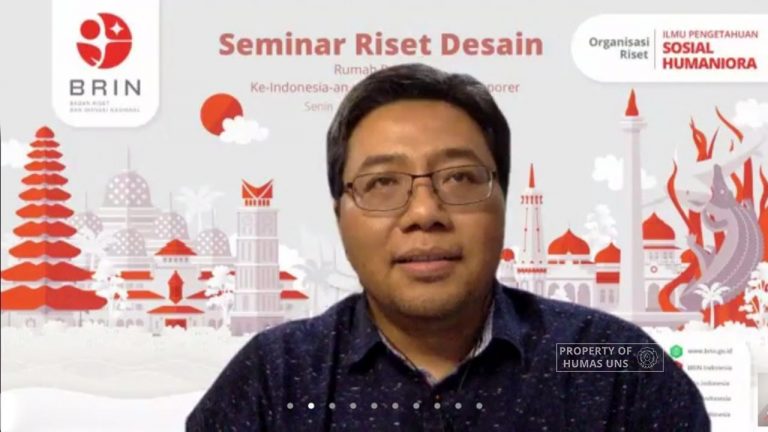
The event began with presentations and discussions on household waste management from the National Innovation and Research Agency, delivered by Dr. Sri Wahyono and Ir. Firman L. Sehwan. The discussion was intense and engaging, with several participants asking questions about their experiences in household waste management.
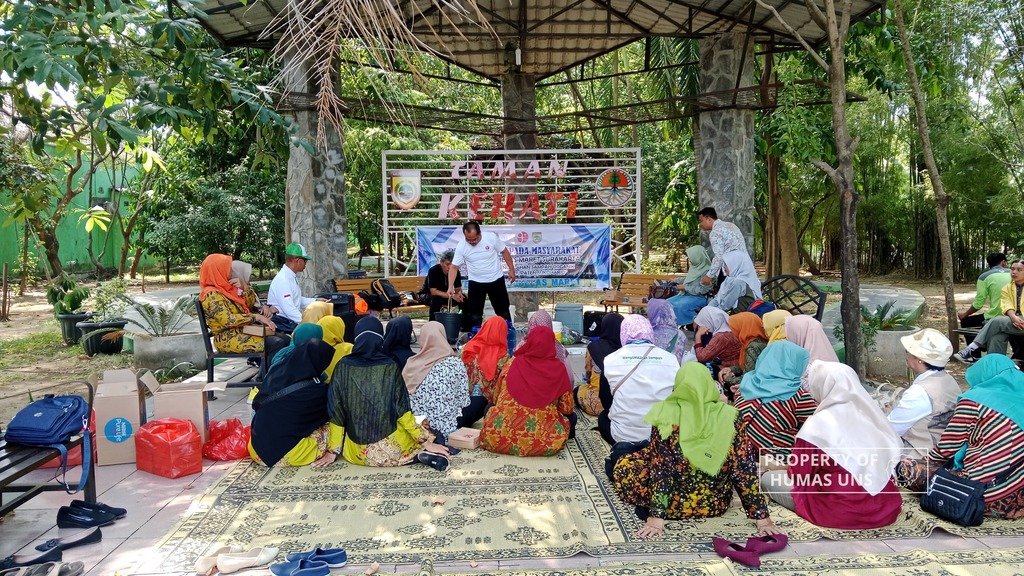
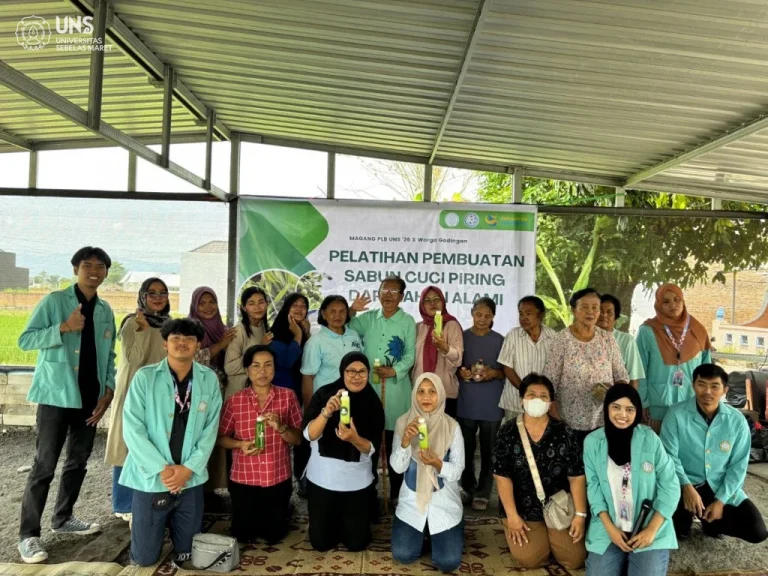
Dr. Wahyono started his presentation by explaining that several landfill sites have been closed recently. Cities like Bandung and Yogyakarta have been declared waste emergencies, akin to having a closed WC, prompting questions about where to dispose of household waste. Due to this concern, household waste management must be more actively pursued to reduce waste generated by households. Various techniques in waste management were discussed, such as Biopore Infiltration Holes (LRB) with its variants Loseda and Teba, aerobic and semi-aerobic composters, Liquid Organic Fertilizer (POC), biogas, Eco-enzyme fermenters, Eco-bricks, handmade crafts, and waste banks. The presentation continued with a practical session on making innovative eco-enzyme fermenters, with the results given to the training participants.
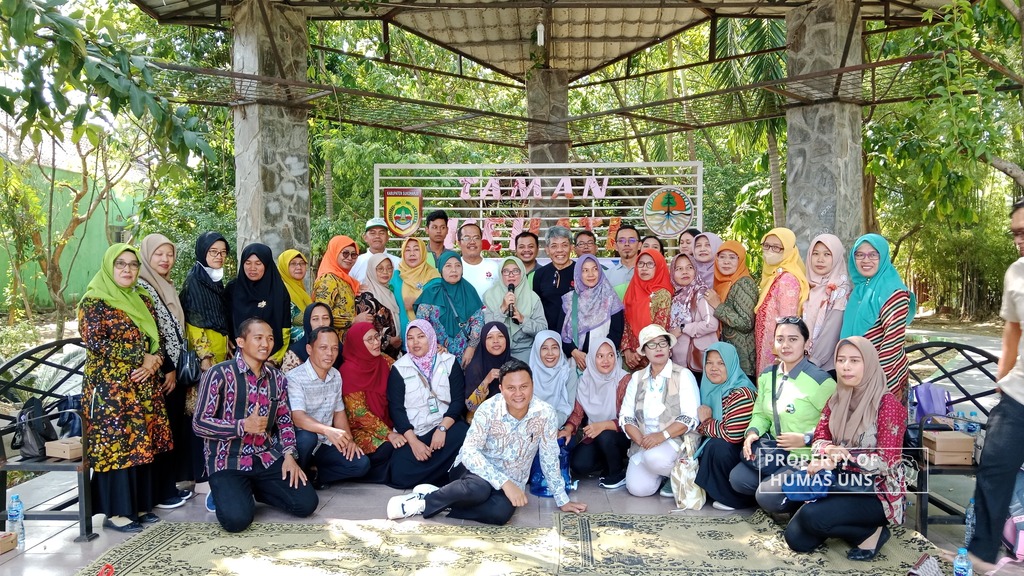
The training participants expressed their enthusiasm for the event and expressed their hope for intensive training to enhance their waste management skills. These participants have already formed a community of Waste Bank managers under the guidance of the Sukoharjo Environment Agency, with the hope of staying motivated and enthusiastic in managing waste in Sukoharjo Regency.
HUMAS UNS
Editor: Dwi Hastuti