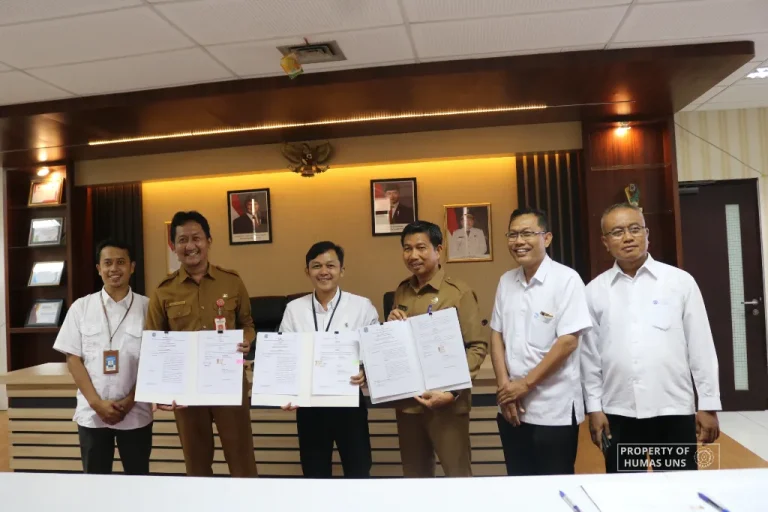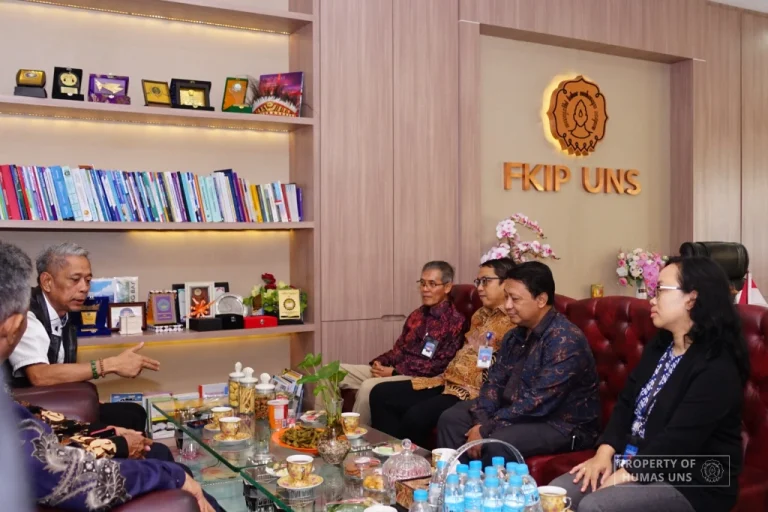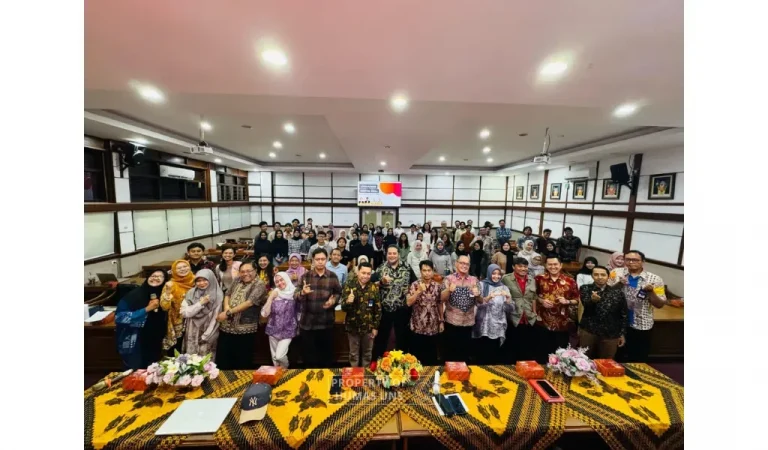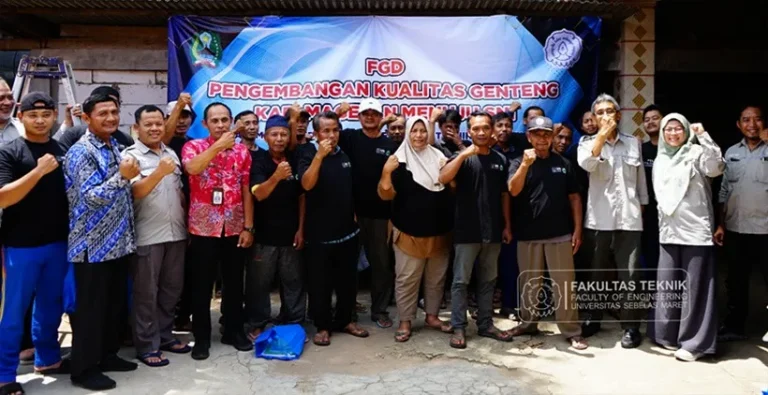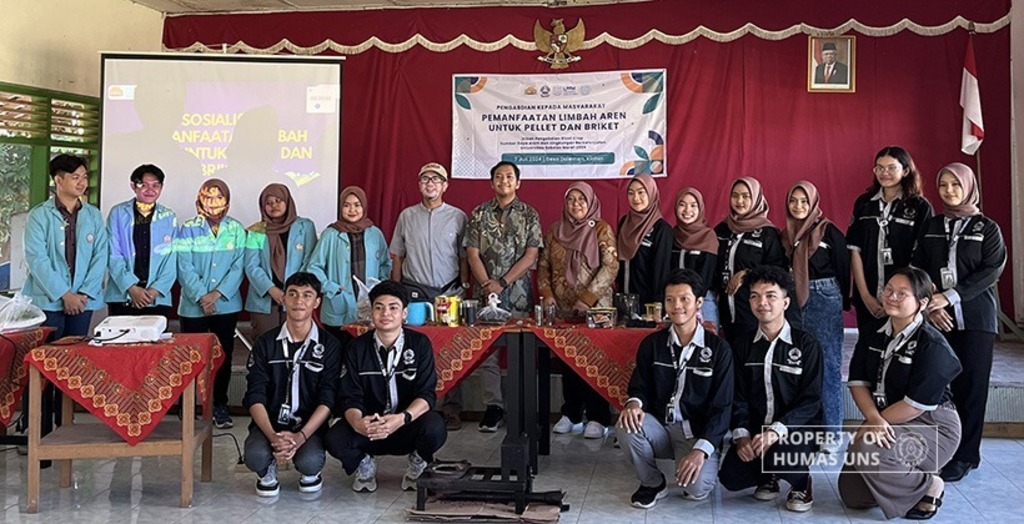
UNS– The Community Service Team from the Natural Resources and Sustainable Environment Research Group (GR) of the Chemical Engineering Study Program, Faculty of Engineering (FT), Universitas Sebelas Maret (UNS) Surakarta, conducted a socialization event on the production and use of pellets and briquettes from aren (arenga palm) starch waste. The event was held at the Daleman Village Hall, Tulung District, Klaten Regency. This area is a partner village fostered by the UNS Chemical Engineering Student Association (HMTK).
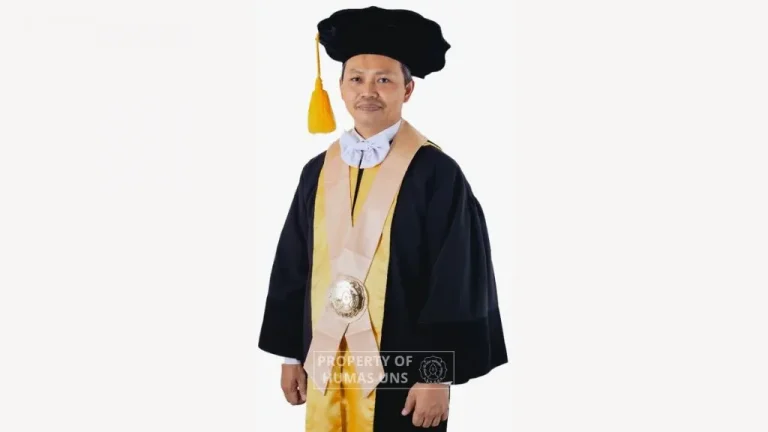
Ari Diana Susanti, the Head of the Community Service Team, stated that managing aren starch solid waste has been an ongoing environmental burden. The previous process required significant investment and extra labor to prepare the raw materials.
Aren starch solid waste has a relatively high carbon content, with organic carbon (C-organic) reaching 69%. Therefore, aren starch solid waste can be utilized for various purposes, such as planting media and biomass fuel. “The biomass fuel from aren starch solid waste comes in the form of pellets and briquettes. These two types of fuel have different product densities, resulting in different combustion values per mass. The socialization event was held on July 7, 2024,” Ari explained, as quoted from ft.uns.ac.id on Friday (26/7/2024).
The initial survey conducted by the team identified several obstacles in managing aren starch waste. These obstacles included the need for equipment with high investment value and the necessity of sorting raw materials. The appropriate technology offered by the Community Service Team uses available equipment without sorting.
The dried raw material undergoes a carbonization process assisted by used oil to ignite the fire. The equipment used for carbonization includes cans or used drums of appropriate capacity. Once the charcoal cools, an adhesive mixture of tapioca flour or molasses is added. The briquettes are then molded using PVC or metal pipes to the desired size and pressed. The products are sun-dried until they are ready to be used as fuel.
Ari explained that this process can also be applied to other wastes, such as sawdust and even cow dung. “This process is not only applicable to aren starch waste but can also be applied to other wastes like sawdust and even cow dung,” she explained.
Community members observed that the biomass fuel produced could be used for everyday cooking needs. The village government welcomed this initiative and requested the team manage liquid waste in future programs.
The success of this program will further increase community interest in utilizing aren starch waste, thereby preserving environmental sustainability. This program is a form of Tri Dharma Perguruan Tinggi, which is the transfer of simple technology to rural communities, supporting similar government programs.
HUMAS UNS
Editor: Dwi Hastuti