UNS – In support of the Green Campus movement, the Faculty of Mathematics and Natural Sciences (FMIPA) at Universitas Sebelas Maret (UNS) in Surakarta has launched a program to install 100 biopore holes across campus. This effort, conducted on FMIPA grounds, aims to improve rainwater absorption and soil quality, aligning with broader environmental conservation and sustainable resource management goals.
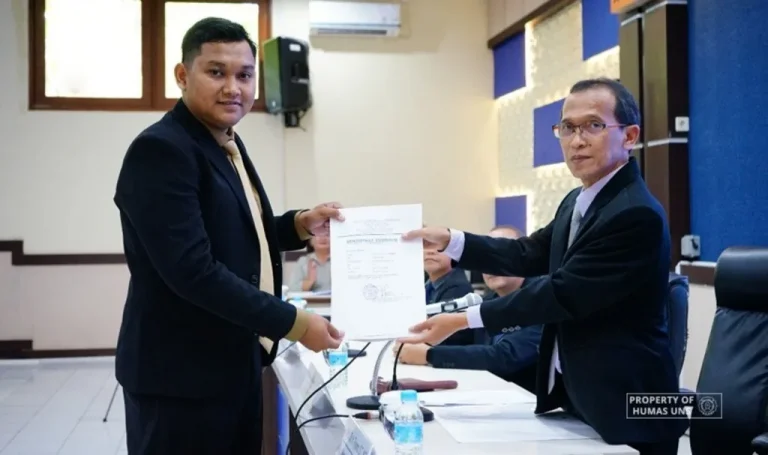
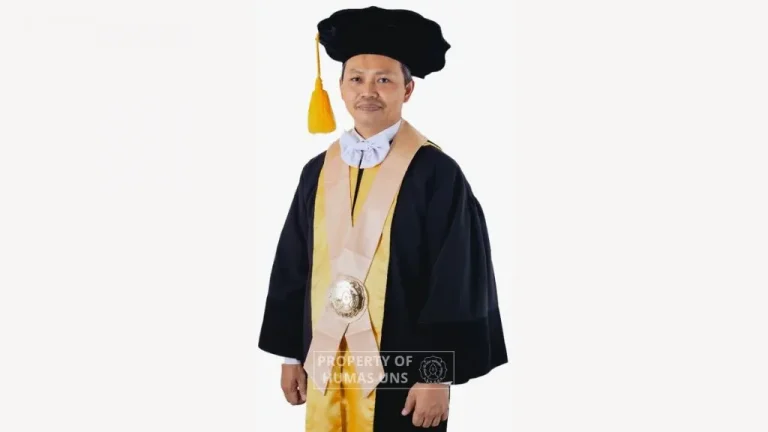
The program was officially launched on Friday (10/4/2024) with the symbolic handover of biopore pipes by the Dean of FMIPA UNS, Dr. Desi Suci Handayani, S.Si., M.Si., in the parking lot of the Soetomo Darsowiratmo Building. These pipes were then entrusted to the FMIPA Green Campus Team, who began creating 100 biopore points across the faculty’s 21.000-square-meter campus, including paved and green areas.
The biopore holes serve two primary locations within FMIPA UNS. First, in paved areas, the holes enhance water absorption during heavy rainfall, helping prevent local flooding and improving groundwater replenishment. In green spaces, biopores act as organic waste processing units for composting. Leaf litter and plant remnants are placed in these holes to decompose faster, enriching the soil with humus and improving overall soil quality in FMIPA’s green spaces.
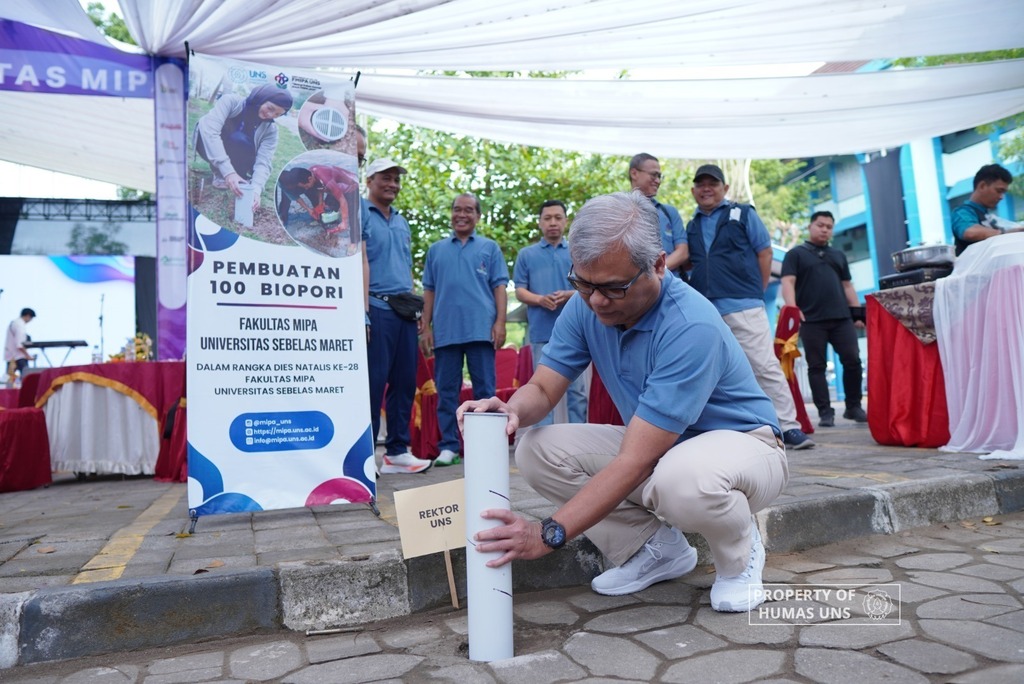
The program culminated with UNS Rector Prof. Dr. Hartono, dr., M.Si. attending a family gathering event celebrating FMIPA’s 28th Dies Natalis on Saturday (10/5/2024), where he completed the 100th biopore hole. His presence underscored the university’s support for FMIPA and other faculties in advancing eco-friendly initiatives.
In his remarks, Prof. Hartono praised FMIPA’s consistent support for the Green Campus movement. “Through this biopore installation program, FMIPA has demonstrated a solid commitment to environmental preservation by managing rainwater responsibly and optimizing organic waste processing for a healthier campus environment,” he said.
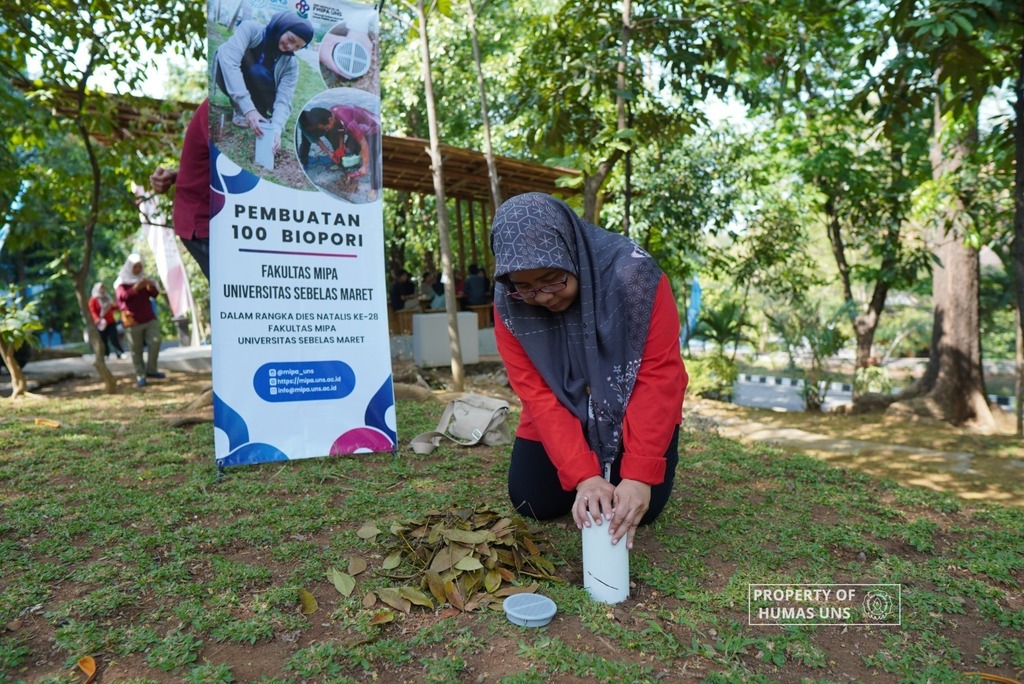
This biopore program is just one of many initiatives led by FMIPA UNS in environmental advocacy. In addition to enhancing rainwater absorption and soil quality, the program promotes effective organic waste management. By producing natural compost from organic waste, FMIPA not only maintains campus cleanliness but also contributes to the growth of greenery on campus.
Biopores also aid in water conservation, especially in urban areas prone to waterlogging. Given the loss of natural absorption areas due to urban development, biopore initiatives represent an effective way for campuses to enhance soil water absorption capacity and maintain ecosystem balance.
With the completion of 100 biopore installations, FMIPA hopes this initiative will inspire other UNS faculties to adopt similar measures. These small steps play an important role in creating a greener, more sustainable campus environment.
FMIPA UNS plans to monitor the biopore program’s progress and sustain its benefits. They also aim to involve students in managing and maintaining the biopores, providing them with hands-on environmental conservation experience beyond theoretical learning. The program demonstrates UNS’s commitment, through FMIPA, to ecological innovation, which is aligned with the university’s vision of excelling in education, research, and community service in ecological preservation.
With the installation of 100 biopore holes, FMIPA UNS takes a significant step towards a more sustainable, eco-friendly campus, making a meaningful contribution to environmental balance amid global climate change.
HUMAS UNS
Editor: Dwi Hastuti