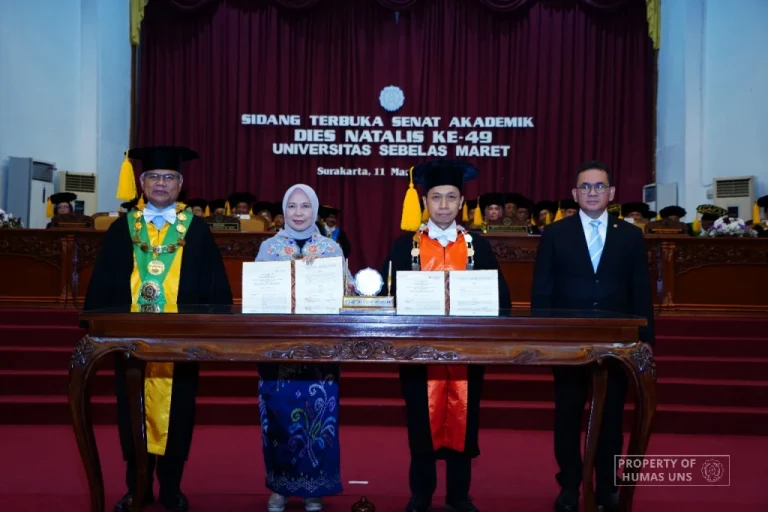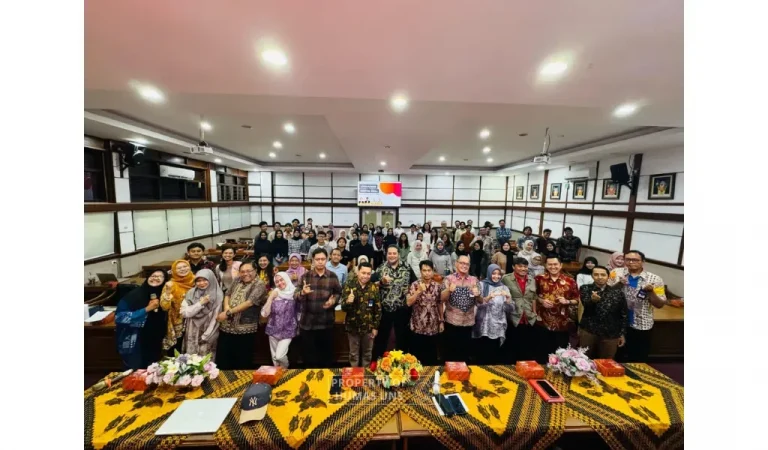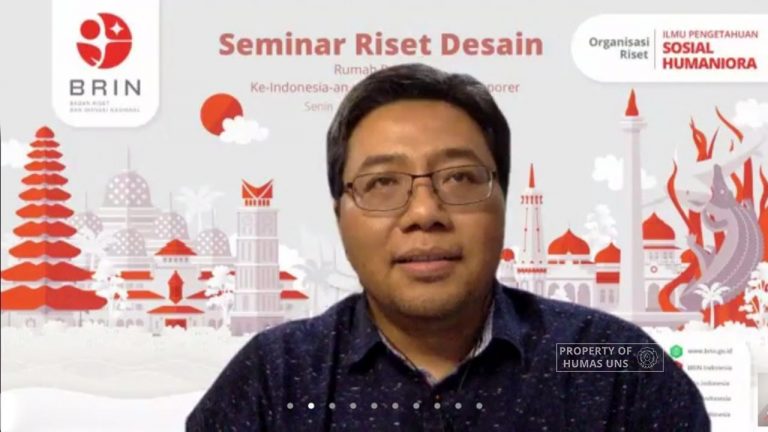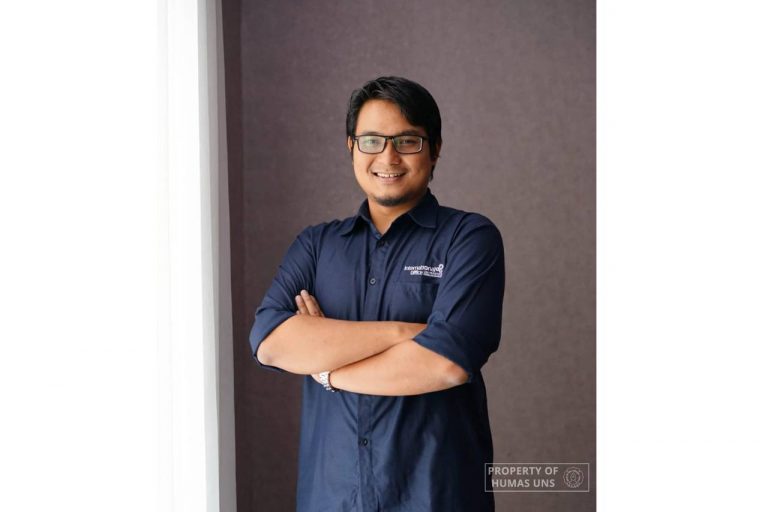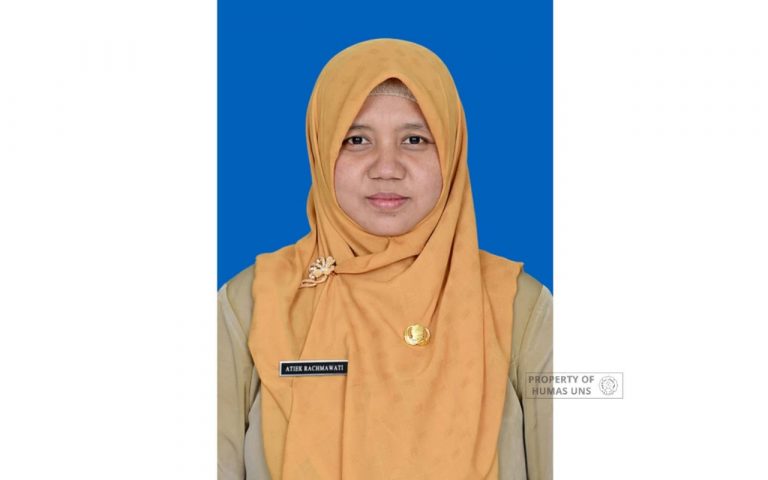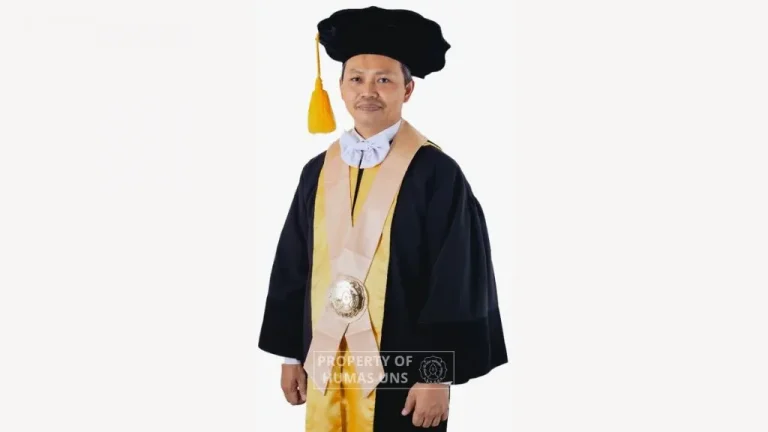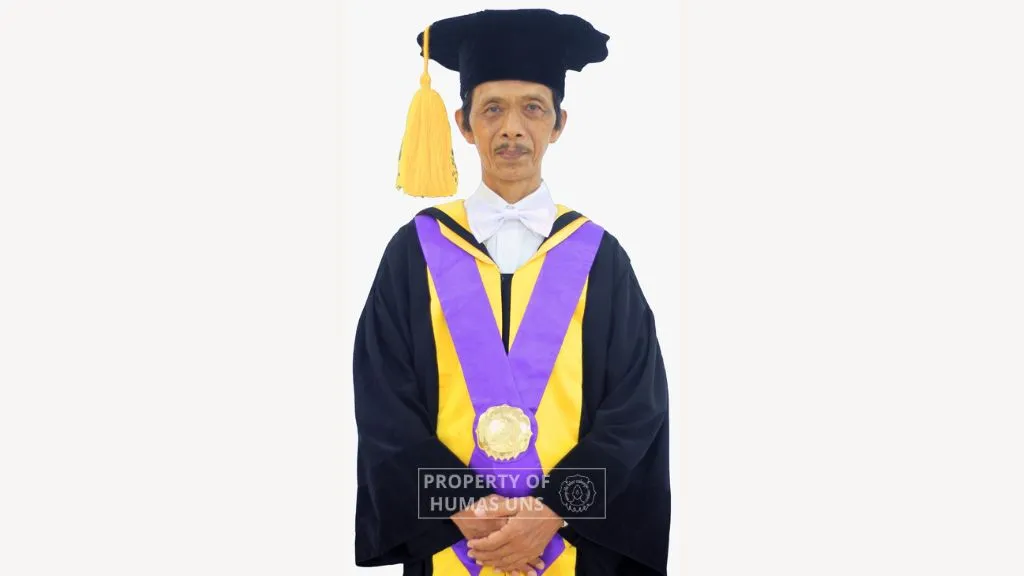
UNS—Prof. Dr. Hery Sawiji, M.Pd., a lecturer in the Office Administration Education Program at the Faculty of Teacher Training and Education (FKIP), Universitas Sebelas Maret (UNS) Surakarta, was officially inaugurated as a professor in late 2024. Prof. Hery is the 86th professor from FKIP and the 317th at UNS. He was inaugurated as a professor in Vocational Education Management, delivering a speech titled “The Role of Vocational Education Management in the 21st Century” during the ceremony.
Prof. Hery emphasized that vocational education in Indonesia plays a strategic role in preparing a competent and adaptive workforce capable of addressing technological advancements and dynamic global demands. Beyond equipping graduates with technical skills, vocational education must foster critical thinking, innovation, and the ability to navigate the complexities of the modern workforce. Effective management of vocational education is the key to meeting these challenges, ensuring optimal resource utilization, and aligning curricula with industry needs. Well-managed vocational education can produce competitive graduates in the global job market.
In the era of Industry 4.0, vocational education management must be responsive to technological changes. UNESCO (2019) highlights the importance of non-technical skills such as critical thinking and collaboration in modern workplaces. Similarly, the Organisation for Economic Co-operation and Development (OECD) (2021) underscores that adapting to global trends, including green technology, can enhance national workforce competitiveness while supporting sustainable development.
One of the significant challenges in vocational education is ensuring that technology is adopted and optimally utilized. “Our research, involving 220 teachers from five provinces in Java, revealed that three main factors, those are motivation, confidence in using technology (Internet self-efficacy), and anxiety about technology, affect teachers’ intentions to use e-learning platforms,” Prof. Hery explained.
The findings led to several recommendations to support digital transformation in vocational high schools (SMKs). First, enhancing teacher motivation through incentives and recognition. Second, boosting teacher confidence with continuous training programs. Third, creating an environment that encourages technological exploration without fear of failure. This approach improves teachers’ technical competencies and strengthens the relevance of vocational education to modern industry demands.
Technological transformation in vocational education cannot be effective without the support of an adaptive and innovative school culture. Research involving 170 teachers in the Surakarta residency identified six dimensions of school culture – goal orientation, leadership, participatory decision-making, innovation orientation, formal relationships, and shared vision – as key factors influencing teachers’ perceptions of technology’s ease of use and benefits.
Transformational leadership by school principals has proven effective in fostering an innovative environment that encourages teachers to adopt technology. Additionally, a collectively built shared vision strengthens commitment to integrating technology into learning. This approach enables vocational institutions to produce graduates who are competent and aligned with global market needs.
The success of vocational education requires synergy among school management, teachers, students, industry, and the government. Effective management must create a work climate that supports innovation and collaboration, ensure curriculum relevance to industry needs, and build strategic partnerships to prepare students for the demands of the digital era.
Through adaptive, flexible, and responsive management approaches, vocational education in Indonesia can become a driving force for the nation’s competitiveness. “A shared commitment to fostering an innovative and collaborative school culture will ensure that vocational education remains relevant to contemporary needs and produces a generation of youth who are competent, adaptive, and ready to face global challenges,” he concluded.
HUMAS UNS