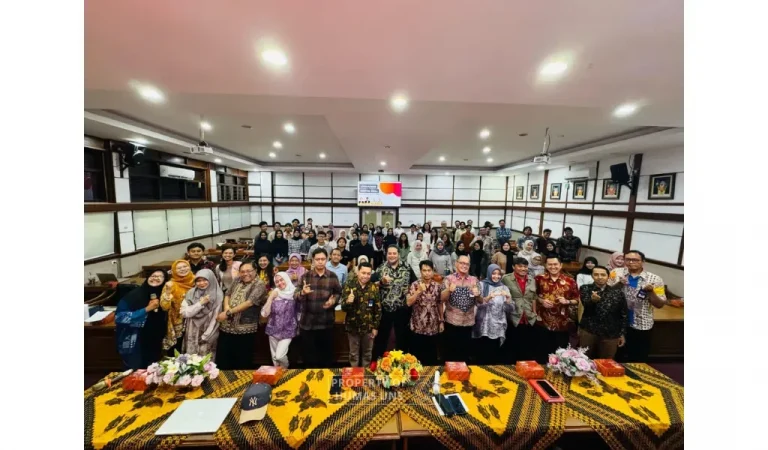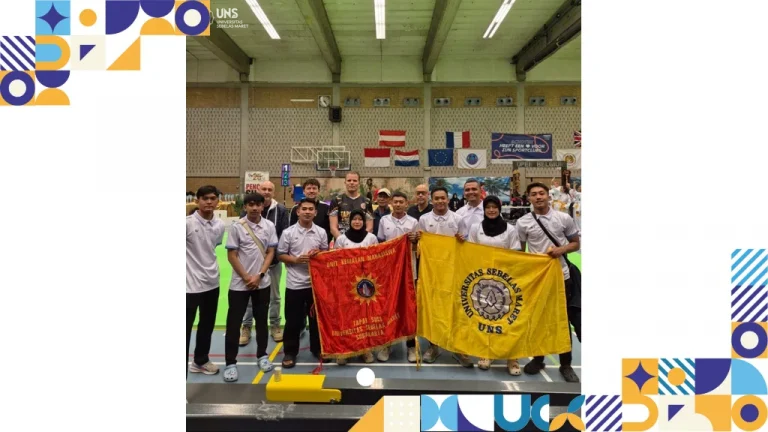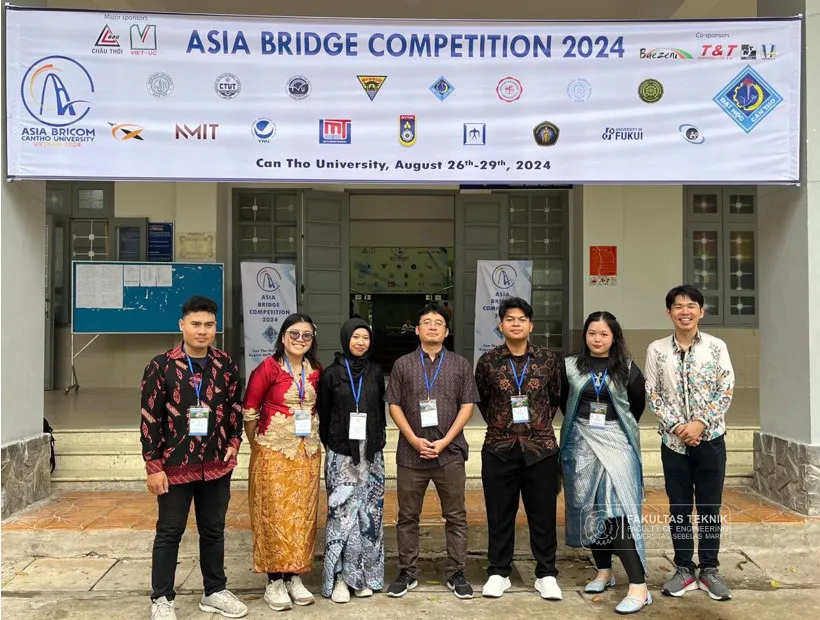
UNS – Civil Engineering students from the Faculty of Engineering (FT) at Universitas Sebelas Maret (UNS) Surakarta have once again brought pride to the nation internationally by participating in the Asia Bridge Competition 2024 held at Can Tho University, Vietnam. The UNS FT team, consisting of Maxvallecia Frikandy, Kevin Liu, Zahra Nisaa Shafa Farida, Arif Nugroho, Anindya Savadityatama, and Gilangsaka Maheswara Pramono, showcased a high fighting spirit under the guidance of their mentor, Dr. Eng. Ir. Halwan Alfisa Saifullah, S.T., M.T.
Their extraordinary experience in the competition provided valuable lessons that could inspire other Civil Engineering students, particularly those currently in their fourth and sixth semesters.
The team competed against 21 other teams from six countries, including Japan, Mongolia, Taiwan, Thailand, and host country Vietnam. One of their most notable achievements was successfully constructing a bridge that could withstand a load of up to 350 kg without collapsing, surpassing teams from prestigious universities such as Gifu University and Yokohama National University.
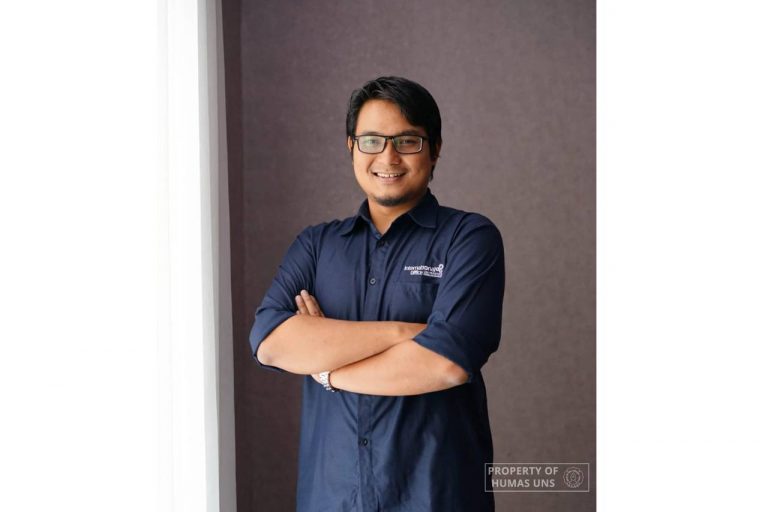
Maxvallecia Frikandy, one of the team members, shared insights into the challenges they faced during the competition, which took place from August 26 to 29, 2024.
“The biggest challenge was aligning our bridge design with the highly detailed regulations, particularly regarding deflection and weight. Additionally, sourcing high-quality rigid steel materials and coordinating logistics for shipping to Vietnam required extra effort,” Maxvallecia said, as quoted from ft.uns.ac.id on Friday (17/1/2025).
Despite the challenges, they were proud to represent UNS on the international stage, thanks to the unwavering support of their team and mentor. Their success was the result of meticulous preparation conducted well in advance of the competition. Starting with an initial design using software like SAP2000 to predict deflection and structural strength, the team overcame limited access to specialized laboratories by transforming a local workshop into a “mini-lab” for regular testing. “Every weekend, we refined our design until we were confident it was ready for the competition,” Maxvallecia added.
Their standout strategy was optimizing the bridge’s strength with lightweight rigid steel, supported by machine learning analysis and studies of competitors’ designs. Effective time management was another key factor in their success. They divided tasks and held regular meetings to ensure everything progressed as planned. Open communication and teamwork free of conflict helped them perform cohesively as a solid unit.

Guidance and Support from Supervisor
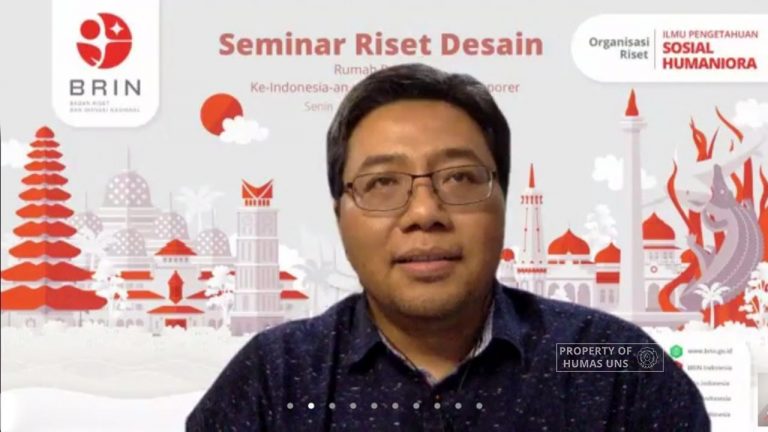
Dr. Eng. Ir. Halwan Alfisa Saifullah, S.T., M.T., played a crucial role as the team’s mentor, providing technical and mental guidance. Strong collaboration among team members, with clearly defined roles, fostered a synergy that carried them through the judging stage. The Asia Bridge Competition taught valuable lessons in hard work, collaboration, and innovation.
This competition also highlighted that civil engineering goes beyond design and construction. It is also about innovation and creating impactful solutions. For fourth- and sixth-semester students aspiring to follow in their footsteps, the team recommended mastering software such as SAP2000, Revit, and ETABS, and understanding Building Information Modeling (BIM) concepts.
International competitions like the Asia Bridge Competition offer significant opportunities to enhance portfolios, expand professional networks, and prepare for future careers. The UNS FT team hopes their experience will inspire the next generation to continue bringing pride to the university on the global stage through innovative achievements.
HUMAS UNS