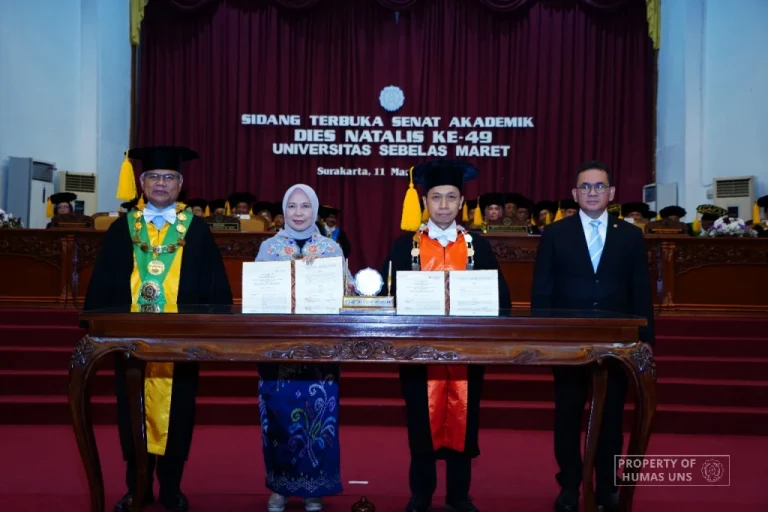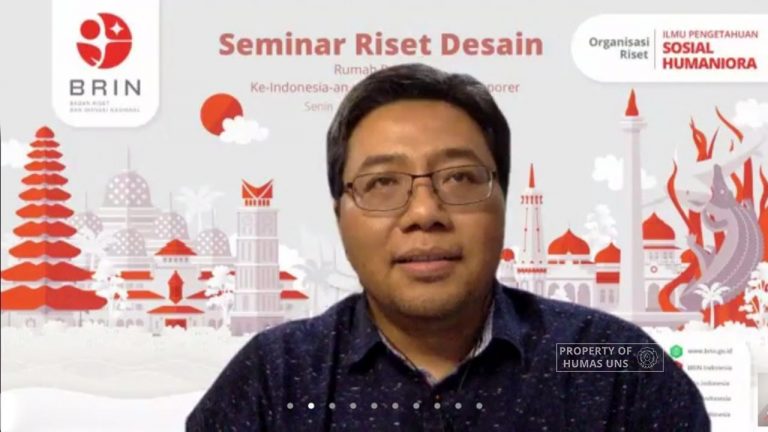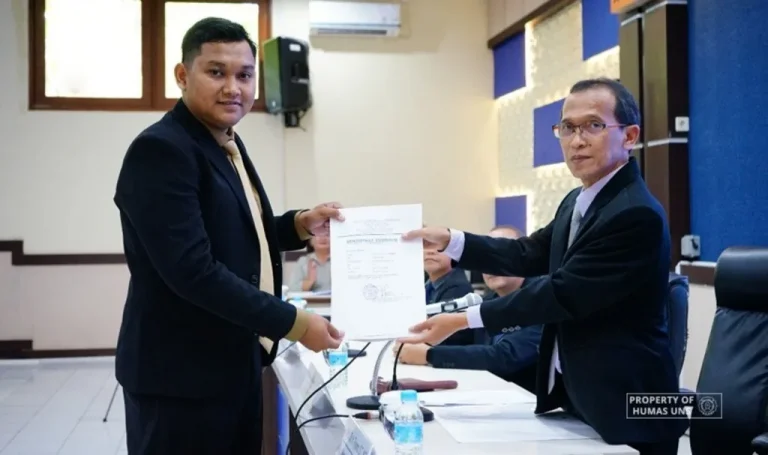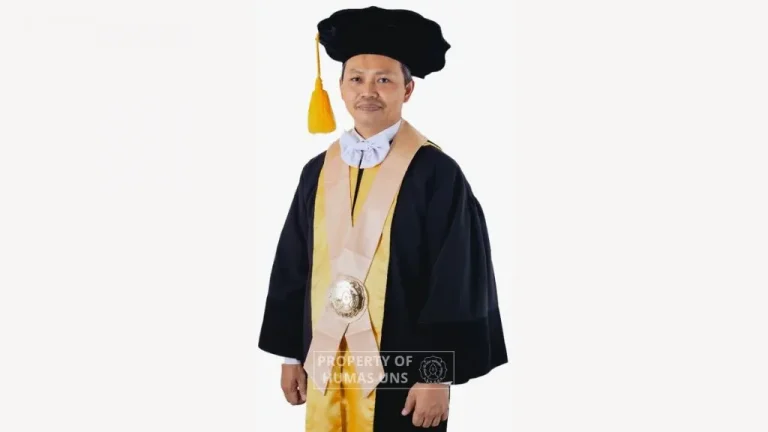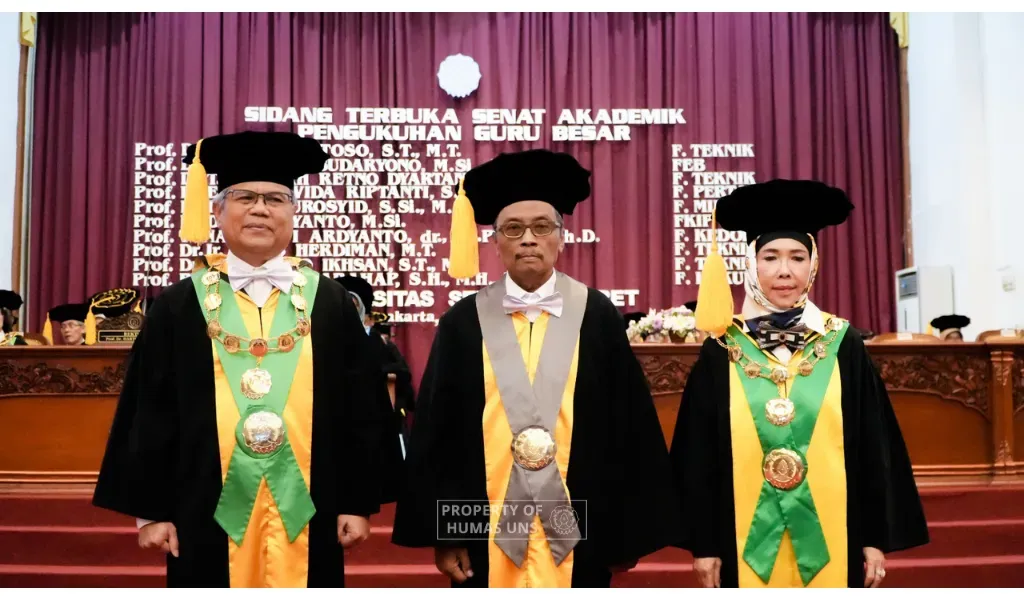
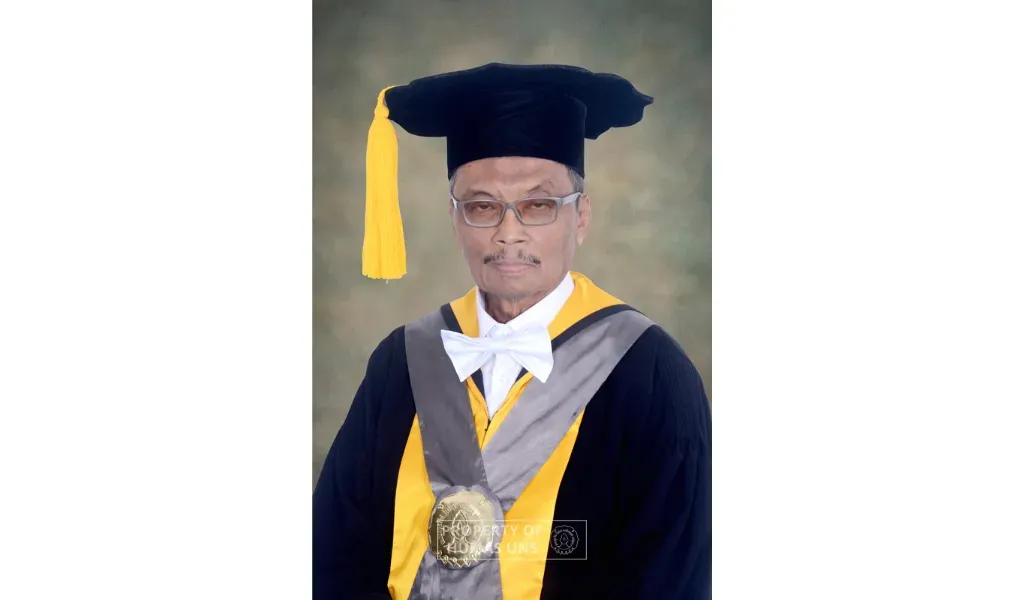
UNS – Universitas Sebelas Maret (UNS) has officially inaugurated Prof. Dr. Eko Arief Sudaryono, M.Si., Ak., CA., BKP., as its new Professor of Taxation Expertise. His appointment marks a significant achievement. He becomes the 24th professor at the Faculty of Economics and Business (FEB). Additionally, he is the 333rd professor at UNS. The ceremony took place during an Open Senate Meeting held at the G.P.H. Haryo Mataram Auditorium on Monday (10/2/2025).
Prof. Dr. Hartono, dr., M.Si., the Rector of UNS, presided over the inauguration. Prof. Eko delivered his inaugural speech titled “Tax Avoidance and Ethics: Addressing Moral Challenges in the Modern Taxation System.” He highlighted key ethical concerns within the taxation system. He specifically focused on the rising prevalence of tax avoidance practices.
Prof. Eko’s Academic Journey and Expertise in Taxation
Prof. Eko Arief Sudaryono, originally from Klaten, pursued his higher education at Universitas Gadjah Mada (UGM). He earned both his Bachelor’s and Master’s degrees in Accounting before pursuing a doctoral degree in Economics at UNS. Since 2021, he has served as the Head of UNS’ Tax Sub-Coordinator.
Prof. Eko is an academic and expert in taxation. He has contributed numerous research studies and scientific publications on tax policy and its moral implications.
The Growing Concern about Tax Avoidance
In his speech, Prof. Eko emphasized that taxation is a critical pillar of national development. It funds essential sectors such as education, healthcare, and infrastructure. However, he pointed out that tax avoidance practices have become a significant challenge to the effectiveness of modern taxation systems.
“Tax avoidance exploits regulatory loopholes to reduce tax liabilities. Although legal, people often see it as unethical because it neglects social responsibility. As a result, it diminishes state revenue that should be directed toward public welfare,” Prof. Eko explained.
He also noted that the gap between ethical values and legal frameworks contributes to the persistence of tax avoidance. Moreover, the complexity of the taxation system allows large corporations to shift profits to countries with lower tax rates. This practice exacerbates economic inequality between the wealthy and the underprivileged.
Proposed Solutions to Combat Tax Avoidance
To address these issues, Prof. Eko proposed several strategic measures. He emphasized the importance of instilling ethical tax values from a young age through education. This approach creates a collective awareness of the role taxation plays in promoting public welfare.
Prof. Eko also stressed the need for tax policy reforms to close existing regulatory loopholes and improve transparency within the taxation system. He suggested strengthening collaboration between the government, businesses, and civil society to create a fair and integrity-driven taxation system. Additionally, imposing social sanctions on tax avoiders could serve as an effective deterrent, promoting better compliance.
Towards a Fair and Transparent Taxation System
In conclusion, Prof. Eko asserted that a fair taxation system goes beyond legal compliance. It requires collective moral awareness to ensure justice and social solidarity. Responsible tax payments are vital for national economic stability and act as an investment in the country’s future prosperity.
His inauguration as a Professor marks a significant milestone for FEB UNS. As an academic institution, FEB UNS plays a crucial role in developing taxation studies. It also promotes policies that contribute to social and economic welfare.
“Inclusive policy reforms and the enforcement of strong ethical values can help Indonesia build a taxation system. This system will be fair, transparent, and sustainable in supporting national development,” Prof. Eko concluded.
Humas UNS
Reporter: R. P. Adji
Editor: Dwi Hastuti