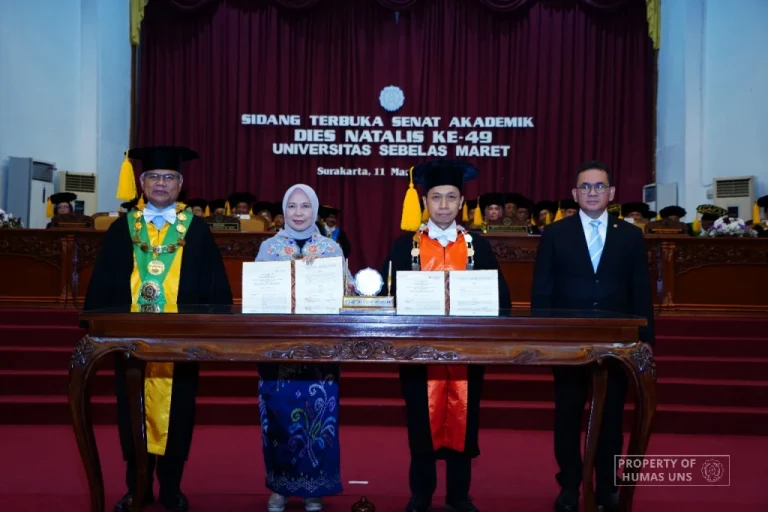
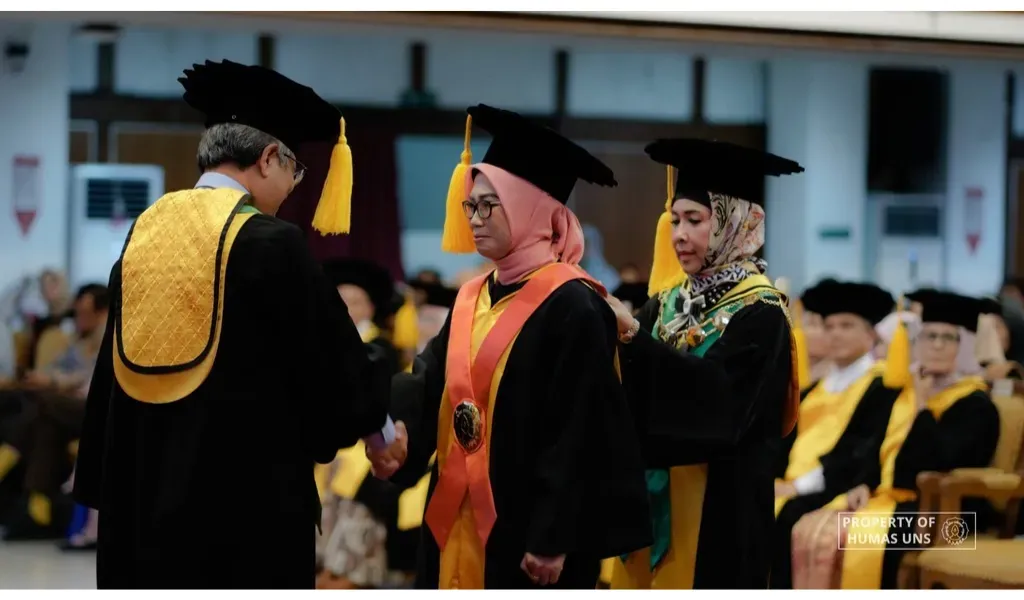
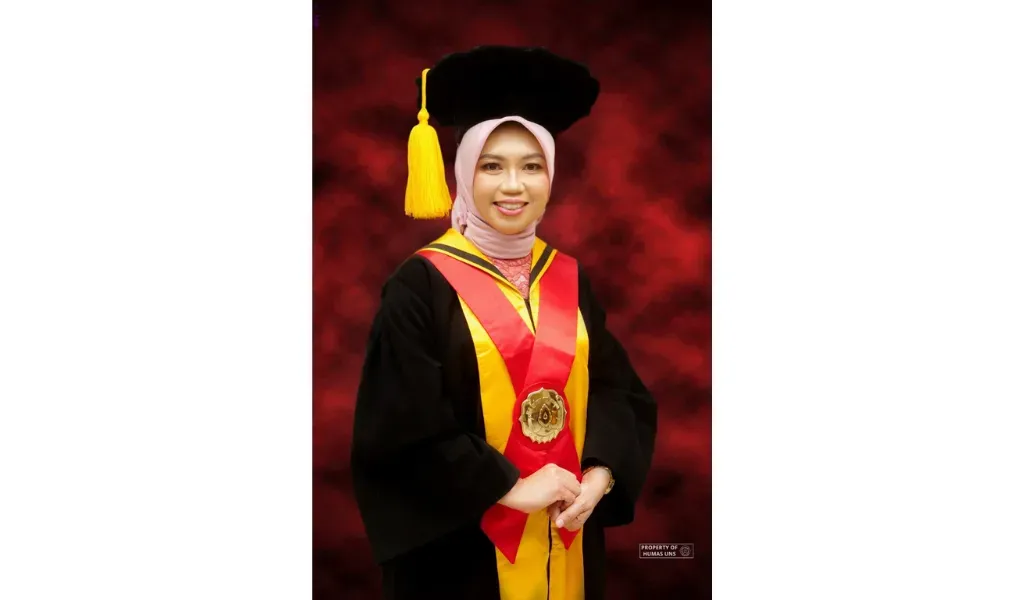
UNS – Prof. Dr. Emmy Latifah, S.H., M.H., AIIArb., FCIArb., is a lecturer in the Law Study Program at the Faculty of Law (FH), Universitas Sebelas Maret (UNS) Surakarta. She has officially been inaugurated as a professor. She is among the 29 professors appointed by the Rector of UNS, Prof. Dr. Hartono, dr., M.Si., on February 11, 2025.
Pioneering a New Milestone in International Law at UNS
Prof. Emmy specializes in International Trade Law and is the first professor in the International Law Department at FH UNS. During the inauguration ceremony, she delivered a speech titled “Artificial Intelligence and International Trade: A New Landscape Requiring Further Regulation.”
Her speech highlighted the challenges faced by the World Trade Organization (WTO) due to technological advancements. She specifically addressed the impact of Artificial Intelligence (AI) on global trade.
Key Challenges in International Trade Law
Prof. Emmy identified two main challenges within the international trade law regime:
- Trade in Services: AI-driven services, such as robot lawyers and online legal consultation platforms, are outpacing existing WTO regulations. Other examples include smart contracts, e-books, MP3 services, and streaming platforms like Netflix.
- Intellectual Property Rights (IPR): Many creative works, including music, films, and AI-generated articles, are now produced by AI-powered tools. This raises legal questions about patent inventorship and copyright ownership. The absence of uniform international regulations has led individual countries to create national laws, further complicating cross-border trade.
The Need for AI Regulation in Global Trade
Prof. Emmy emphasized the importance of reframing WTO governance to accommodate AI-driven trade innovations.
“Greater institutional flexibility within the WTO is essential to facilitate rigorous and dynamic cross-sectoral dialogue and cooperation. Future WTO regulations must be highly adaptable and optimally designed. The international trade system should also respect local values and cultural contexts when addressing AI-related issues,” she stated.
She also highlighted the disparity in technological adaptation among countries. Nations with superior AI capabilities and high-quality data are poised to dominate the global trade landscape. This advantage could potentially widen the economic gap. Political shifts and evolving interest groups in the AI era must also be considered in shaping future global trade regulations.
With these concerns in mind, Prof. Emmy’s expertise and research offer valuable insights for policymakers and legal scholars. Her work also helps international trade organizations create more inclusive and adaptable global trade frameworks.
HUMAS UNS
Editor: Dwi Hastuti