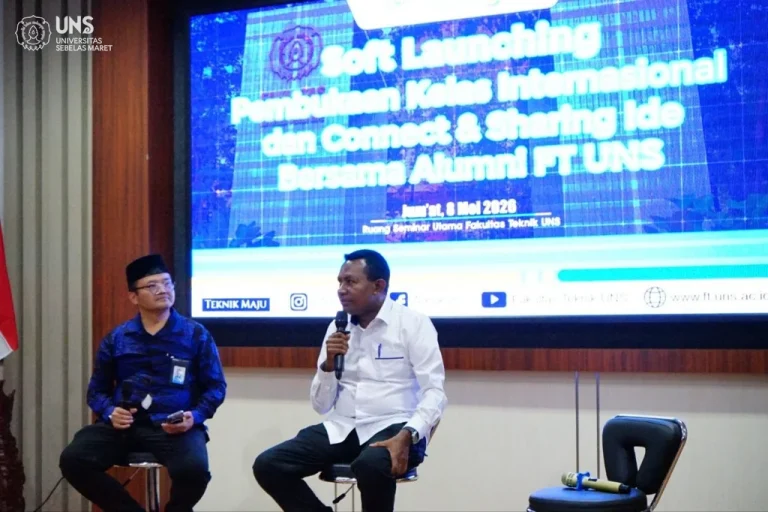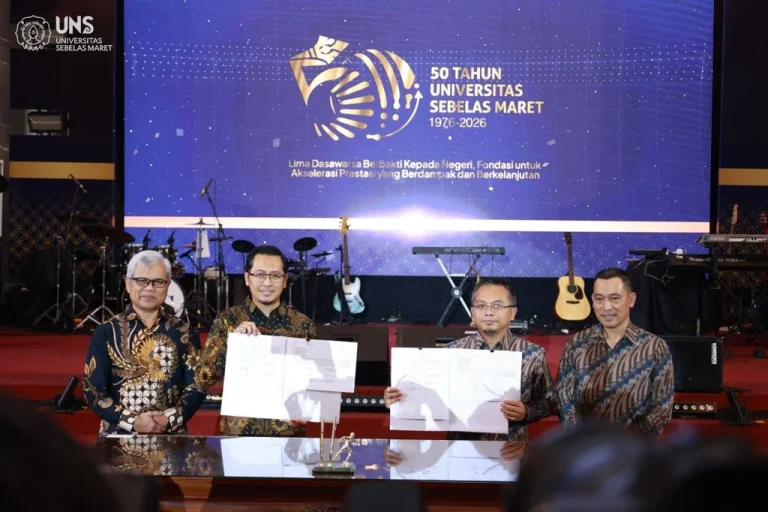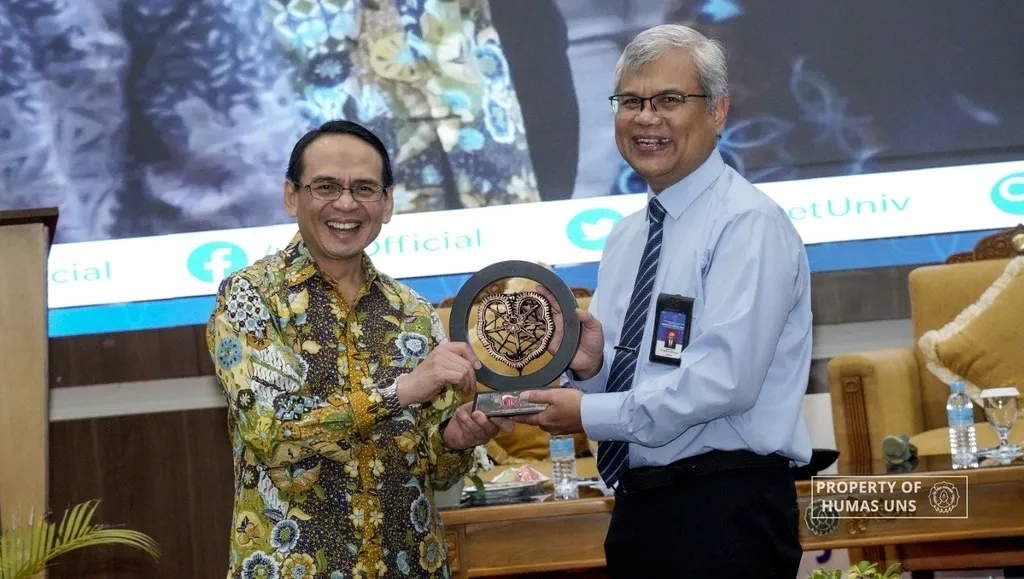
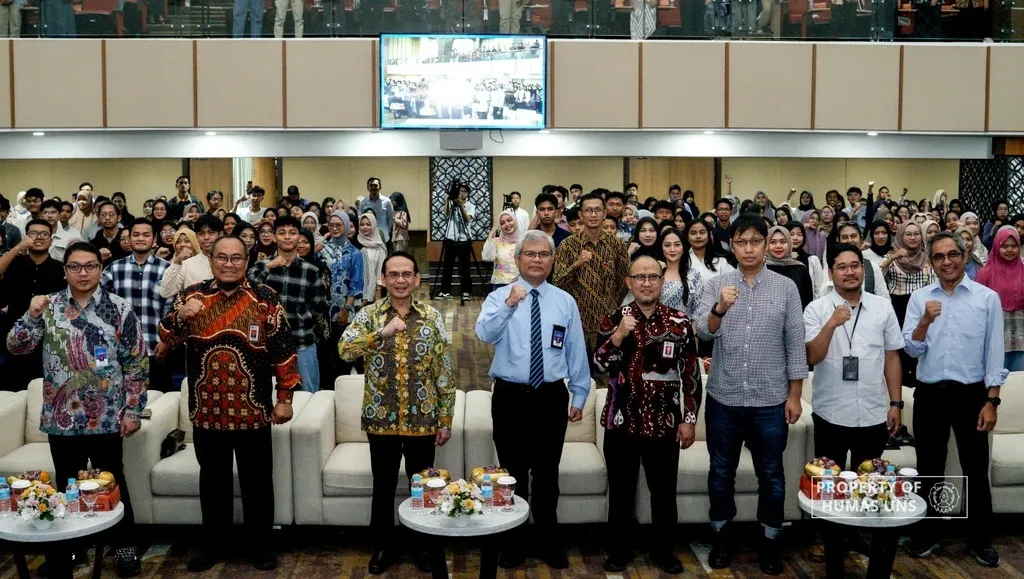
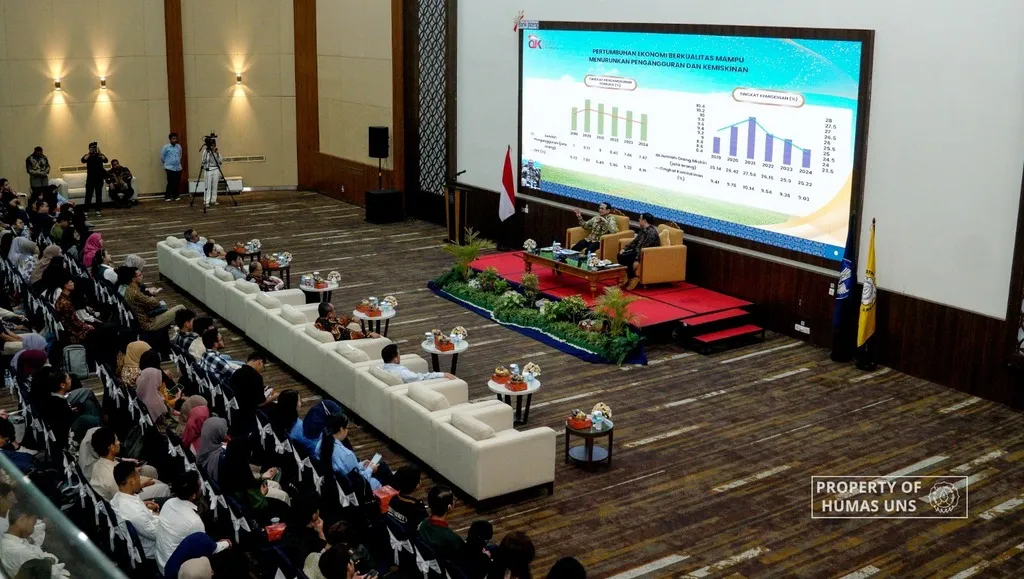
UNS — Universitas Sebelas Maret (UNS) Surakarta partnered with the Financial Services Authority (OJK) to hold a public lecture. The event, titled “Economic and Financial Sector Outlook 2025,” took place on Tuesday (18/2/2025). The event took place at the Ki Hadjar Dewantara Tower Ballroom. It featured a keynote address by Dr. Agusman, MBA, a member of the OJK Commissioner Board.
Strengthening UNS and OJK Collaboration
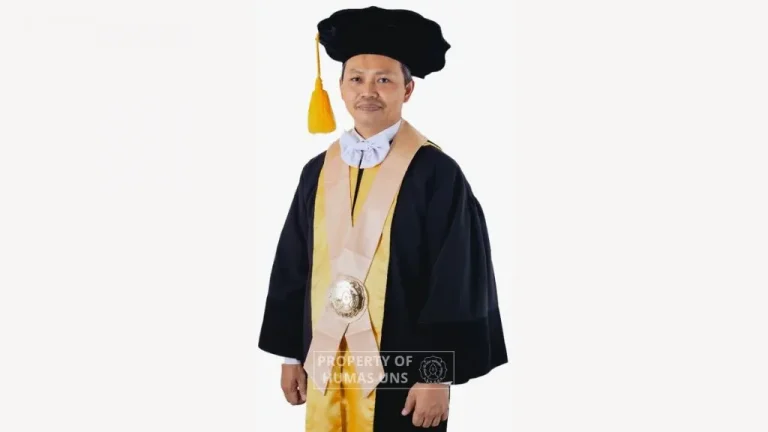
In his opening remarks, UNS Rector, Prof. Dr. Hartono, dr., M.Si., expressed his appreciation for OJK’s continued support. He highlighted the long-standing collaboration between UNS and OJK, which began in 2013. This partnership spans education, outreach programs, joint research, and community empowerment initiatives.
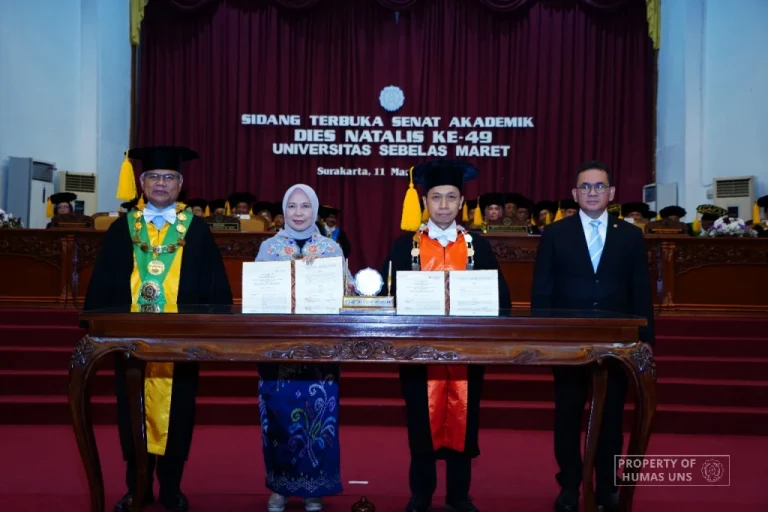
“UNS was the first Indonesian university to establish a Center of Excellence in Fintech and Banking in 2020, supported by OJK,” Prof. Hartono noted. “This public lecture is part of the university’s 49th Dies Natalies celebration. It also marks the beginning of the even semester of the 2024/2025 academic year.”
He emphasized that the lecture provides students with insights into economic and financial trends for 2025. “We aim to equip our academic community with the knowledge to navigate future challenges and seize emerging opportunities,” he added.
Key Insights on the Global Economic Outlook 2025
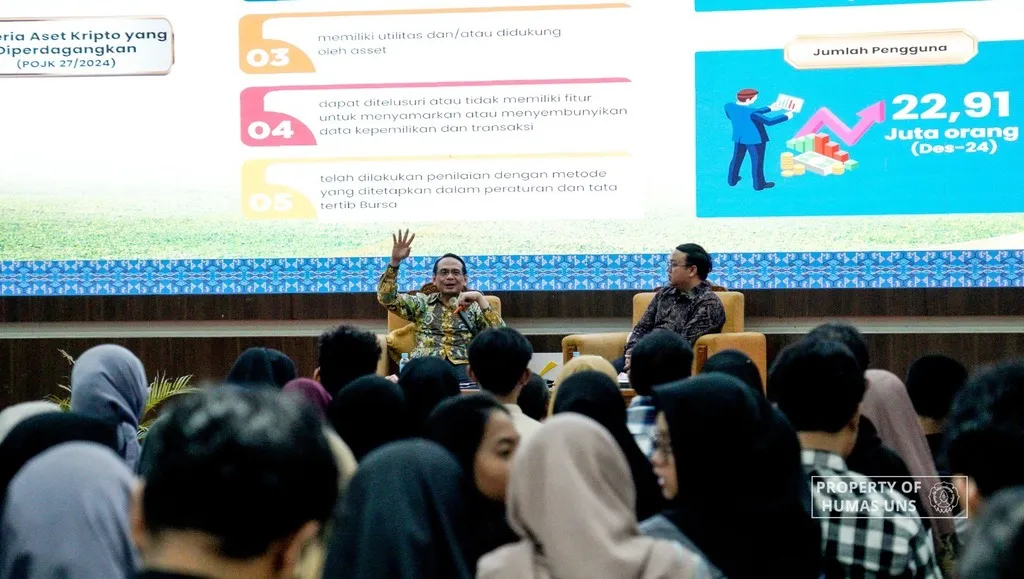
During his presentation, Dr. Agusman outlined major global and domestic economic trends shaping 2025. He emphasized that geopolitical tensions continue to disrupt global economic recovery. These include the war in Ukraine and the conflict in Gaza.
“In 2024, achieving a 1-2% global growth rate was remarkable due to these challenges,” Dr. Agusman explained. “Trade fragmentation, rising protectionism, and humanitarian crises have further affected the global economy.”
He also addressed the “Trump 2.0 phenomenon,” referring to the potential return of former U.S. President Donald Trump. This includes his “America First” policy. “This policy may intensify trade barriers and disrupt international trade mechanisms, affecting global economic growth, including Indonesia,” he warned.
Indonesia’s Economic Resilience and Growth Prospects
Despite global uncertainties, Indonesia’s economic growth remains strong. According to Dr. Agusman, the country maintained an average growth rate of 5%. He noted a significant recovery following the COVID-19 pandemic.
“In 2024, Indonesia’s economy grew by 5,03%, supported by robust performance in the financial services sector,” he said. “Our goal is to sustain and accelerate this positive momentum.”
He highlighted improvements in key socio-economic indicators:
- Unemployment Rate: Decreased to 4,91%.
- Poverty Rate: Reduced to 9,03%.
- Inflation: Recorded at 1,57%, significantly lower than during the pandemic period.
Challenges and Opportunities in 2025
Looking ahead, Dr. Agusman outlined key economic challenges for 2025:
- Limited Global Growth: Ongoing geopolitical tensions and policy shifts.
- Trade Policy Changes: Increasing trade barriers and reduced efficiency.
- Domestic Economic Liquidity: Rising demand and financial sector adjustments.
- Investment Climate: Ensuring stability while fostering innovation.
He emphasized the importance of proactive policy measures and academic collaboration to address these challenges.
“Through continued partnerships with institutions like UNS, we can equip future leaders with valuable insights. These insights are essential for driving sustainable economic growth,” Dr. Agusman concluded.
About UNS and OJK Partnership
UNS and OJK have collaborated since 2013 on education, research, and community initiatives. The Center of Excellence in Fintech and Banking, established in 2020, remains a testament to their shared commitment to advancing financial education and innovation.
HUMAS UNS