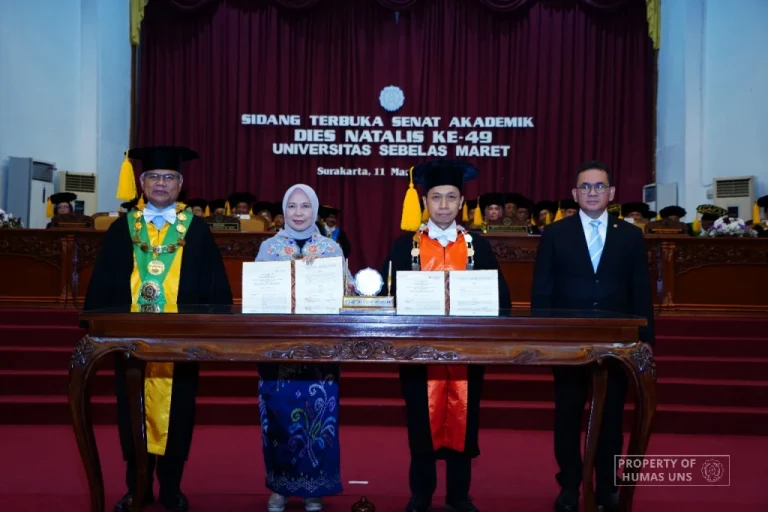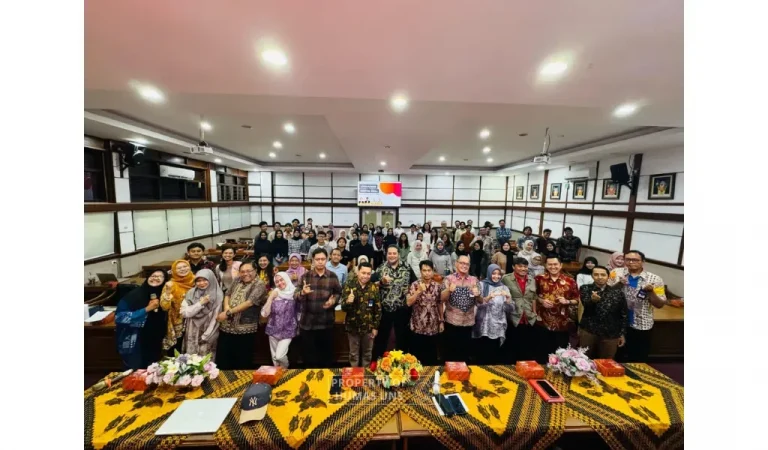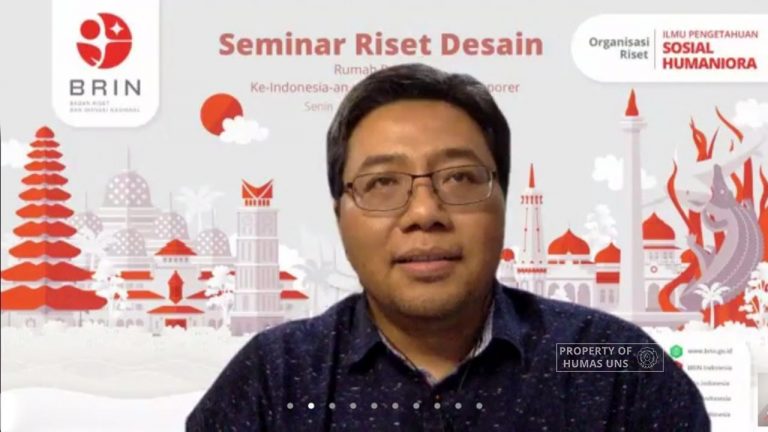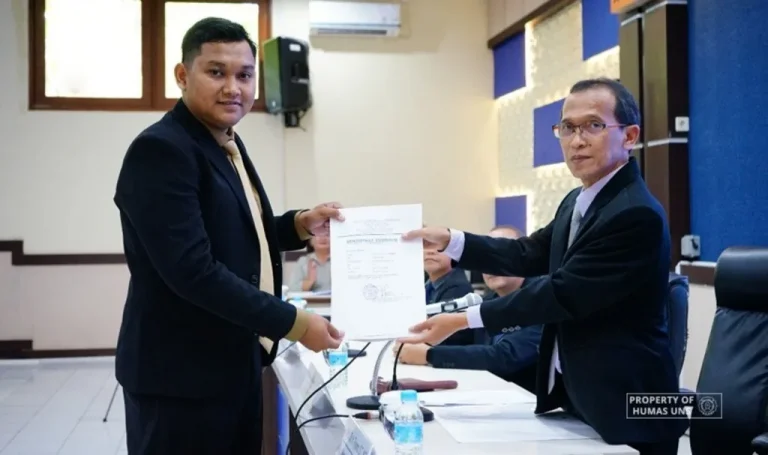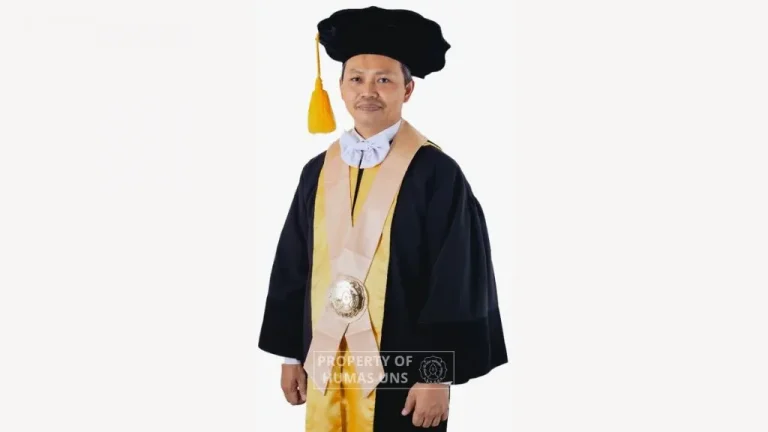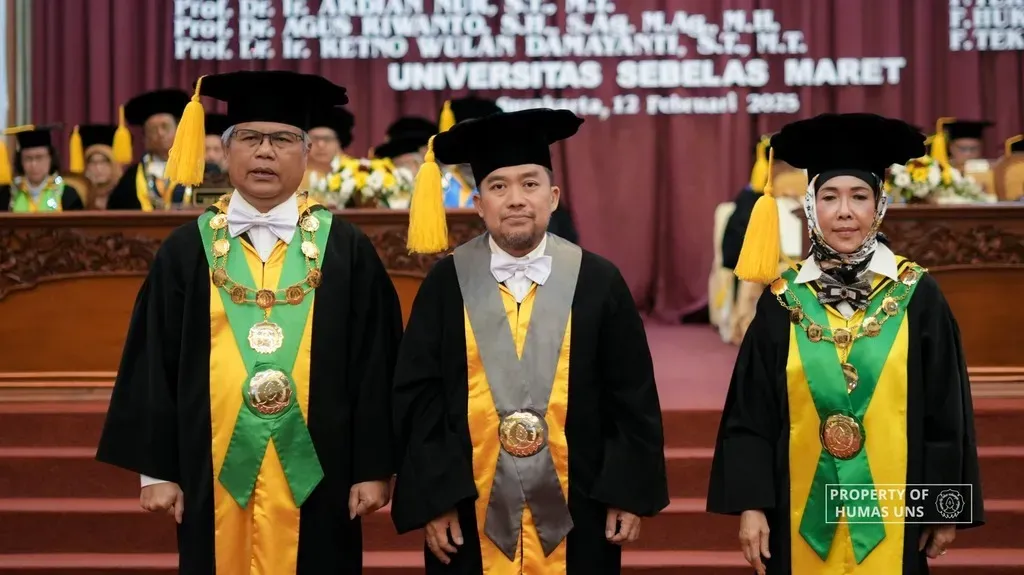
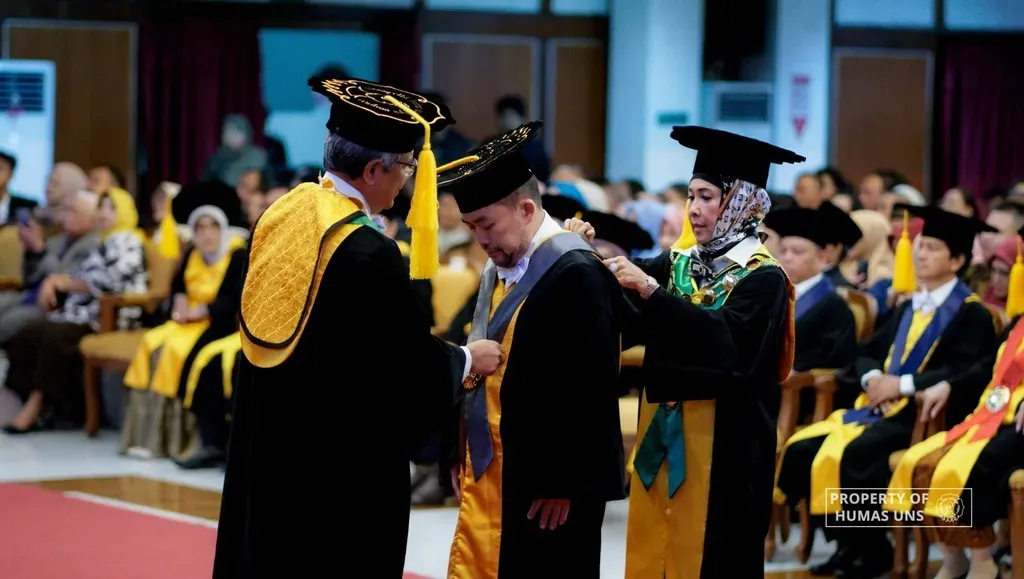
UNS – Universitas Sebelas Maret (UNS) Surakarta held an Open Senate Session at the G.P.H. Haryo Mataram Auditorium on Tuesday (12/2/2025). The UNS Rector inaugurated Prof. Bhimo Rizky Samudro, S.E., M.Si., Ph.D., as a Professor in Political Economy. During the event, Prof. Bhimo delivered an inaugural speech titled “Pseudo Civilization and National Economic Sovereignty.”
Understanding Pseudo Civilization
In his speech, Prof. Bhimo defined “Pseudo Civilization” as a system designed to benefit specific groups while neglecting collective welfare. He explained that the current global economic structure, dominated by neoliberal policies, often leads to inequality, particularly in developing nations.
“Pseudo civilization creates a global economic system that benefits only a small group. As a result, developing countries become economically dependent on foreign debt and international capital flows. Additionally, trade policies controlled by developed nations further reinforce this dependence,” he stated.
He also criticized global institutions, including international trade organizations and donor agencies. He argued that these institutions enforce policies that do not always align with national interests. These conditions, he pointed out, weaken the bargaining position of developing countries in global negotiations.
The Role of Political Economy
To address these challenges, Prof. Bhimo emphasized the importance of a political economy perspective. He believes this approach provides a critical and comprehensive analysis of global economic issues. It takes into account social, cultural, political, and environmental factors.
“Political economy helps us understand that institutions, culture, and policies significantly influence economic prosperity,” he remarked.
He stressed that as a sovereign nation, Indonesia must develop economic policies prioritizing people’s welfare. These policies should align with Pancasila and the 1945 Constitution. They should also reduce reliance on global institutions that do not serve national interests.
Challenges and Strategies for Economic Sovereignty
Prof. Bhimo also addressed key challenges that hinder Indonesia’s economic sovereignty. These include dependency on foreign debt, privatization of strategic sectors favoring foreign entities, and limited public access to essential services. He highlighted the financial sector’s dominance as another significant issue.
“Pseudo civilization has made Indonesia structurally dependent on foreign debt, foreign investment, and consultancy agencies. This dependency weakens our control over economic policies and increases economic uncertainty due to global pressures. Many national elites prioritize international economic agreements over national economic sovereignty,” he explained.
To strengthen economic sovereignty, he proposed several strategies:
- Renegotiating international agreements to advocate for fairer trade policies.
- Developing domestic industries to create added value and reduce reliance on imports.
- Raising public awareness of globalization’s impact and promoting economic self-reliance.
Moving Towards Economic Sovereignty
In his closing remarks, Prof. Bhimo emphasized the importance of reducing structural dependence on the global system. He stated that this is crucial for achieving national economic sovereignty. He urged Indonesians to be more critical of global institutions, which often contribute to economic instability.
“Criticism and concrete solutions must serve as the foundation for economic sovereignty. This foundation should be based on Pancasila and the 1945 Constitution,” he concluded.
This inauguration marked a significant milestone for Prof. Bhimo Rizky Samudro. It was also an important moment for UNS as an academic institution committed to addressing global economic challenges. This aligns with Sustainable Development Goal (SDG) Number 8 “Decent Work and Economic Growth”.
HUMAS UNS