UNS – The Censor Research Student Activity Unit (UKM Riset Censor) at the Faculty of Social and Political Sciences (FISIP), Universitas Sebelas Maret (UNS) Surakarta, recently conducted a study. The study focused on how different generations perceive Generation Z. As negative stereotypes about Gen Z continue to grow in both media and social platforms, the study sheds light on this issue. It highlights the gap in perceptions between Gen Z and older generations.
People often criticize Gen Z as lazy, spoiled, and undisciplined. This perception aligns with the term “Strawberry Generation,” which is popular in several Asian countries. People describe the term as referring to a generation that appears attractive and intelligent but is perceived as fragile under pressure.
Lia Dwi Lestari, Head of the Research Division at Censor and a Sociology student, explained the study’s focus. She mentioned that it explores how older generations view Gen Z in academic and everyday settings.
“We also aim to understand how media influences the stereotypes attached to Gen Z. A deeper understanding of this issue is crucial,” Lia stated.
Research Methodology
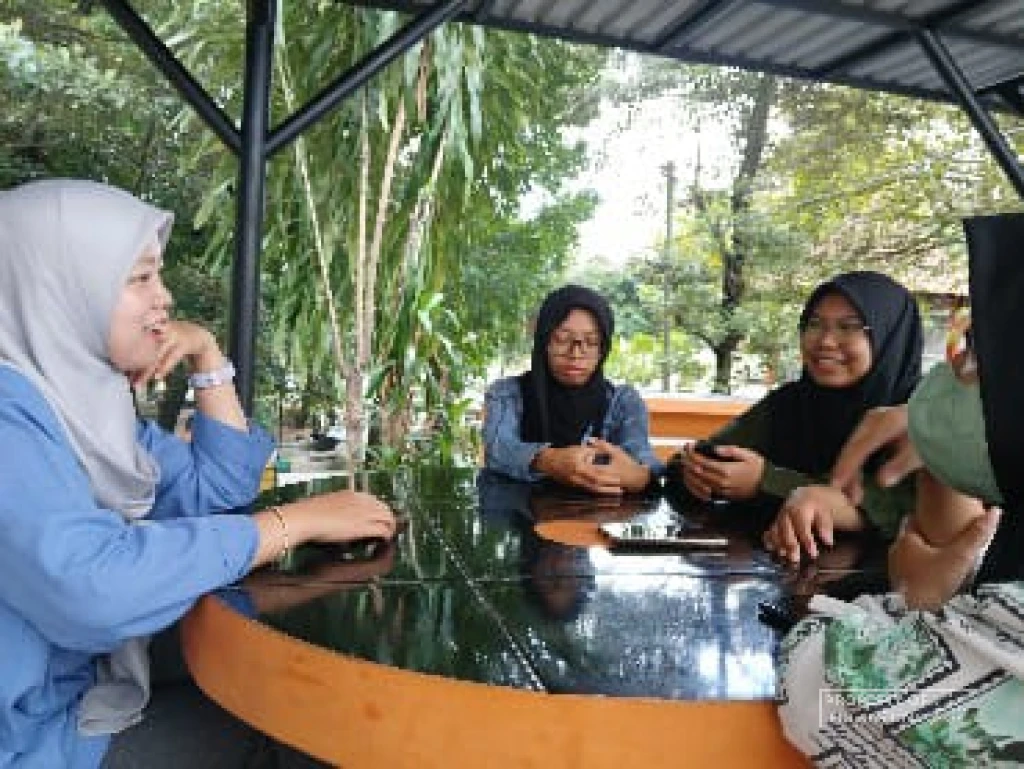
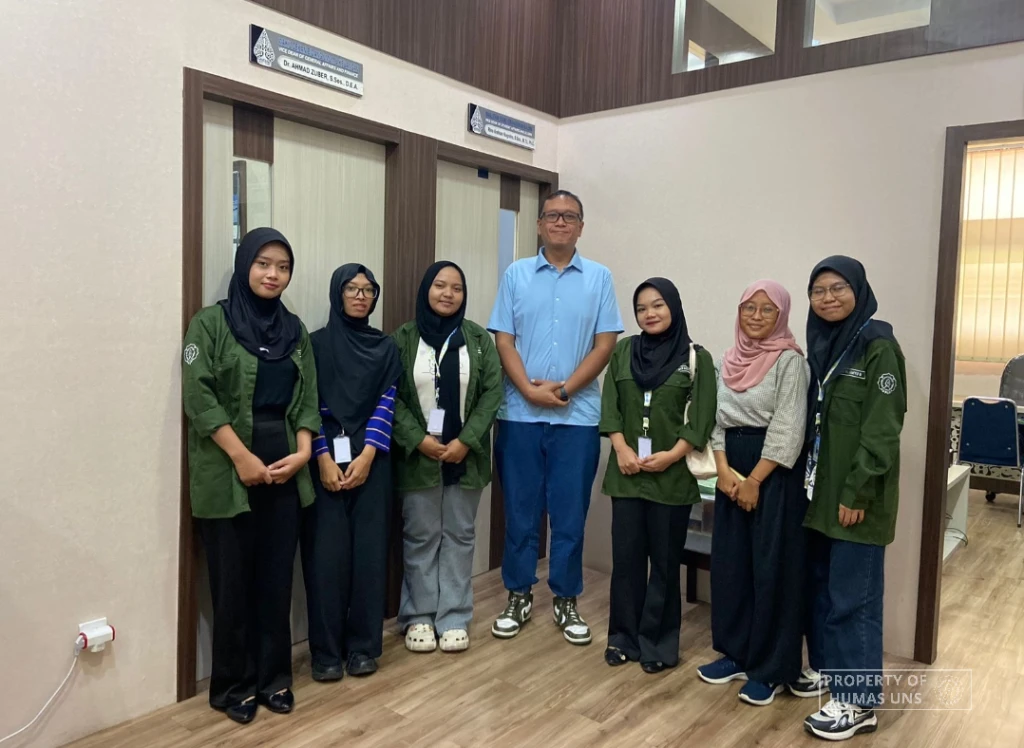
The study, led by Aubry Fairuza Akifa Prabowo, an International Relations student, used a qualitative approach. The team conducted in-depth interviews with various individuals at FISIP UNS. This included security personnel, parking attendants, canteen staff, cleaning staff, academics, and administrative staff.

Findings and Insights
Preliminary findings reveal a noticeable generational gap in understanding Gen Z. Informants from the Baby Boomer, Generation X, and Millennial cohorts generally viewed Gen Z as individualistic. They also saw Gen Z as overly reliant on technology. They also felt Gen Z lacked a strong work ethic compared to previous generations. The “Strawberry Generation” stereotype suggests that Gen Z avoids challenges and pressure, particularly in academic and professional settings.
Some academics noted that Gen Z demands more flexibility in both learning and working environments. Current systems may not always accommodate these demands. Gen Z’s preference for a fast-paced, instant lifestyle often reinforces these stereotypes. Informants also highlighted the generation’s high consumption patterns and focus on short-term satisfaction.
Positive Aspects of Gen Z
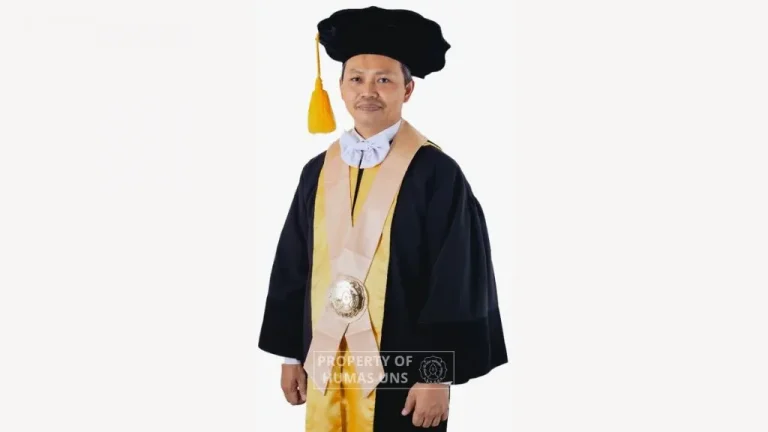
However, not all perspectives were negative. Rino Ardhian Nugroho, S.Sos., M.T.I., Ph.D., Vice Dean for Student Affairs and Alumni at FISIP UNS, emphasized that Gen Z has many strengths.
“Gen Z is courageous, enjoys challenges, and strongly upholds personal values. Despite generational differences, they adapt quickly and excel in various fields,” he said.
Communication Challenges and Solutions
In addition to character traits, they highlighted differences in communication styles. Gen Z often uses slang and abbreviations in daily conversations, which can challenge intergenerational communication. Some parking attendants at FISIP UNS noted that Gen Z’s manners and communication ethics need improvement. However, all informants agreed that cross-generational collaboration remains possible. Gen Z’s digital literacy skills make them valuable assets in both academic and professional environments.
Upcoming Seminar on Gen Z Stereotypes
As a follow-up to the study, Censor will host the Censorfest 10.0 Seminar on Saturday (26/4/2025). The seminar, themed ‘Stereotype Smashers: How Gen Z Confronts Stereotypes of the Strawberry Generation,’ will present research findings. It will also foster intergenerational dialogue. The event aims to promote constructive conversations and create an inclusive academic environment.
Humas UNS