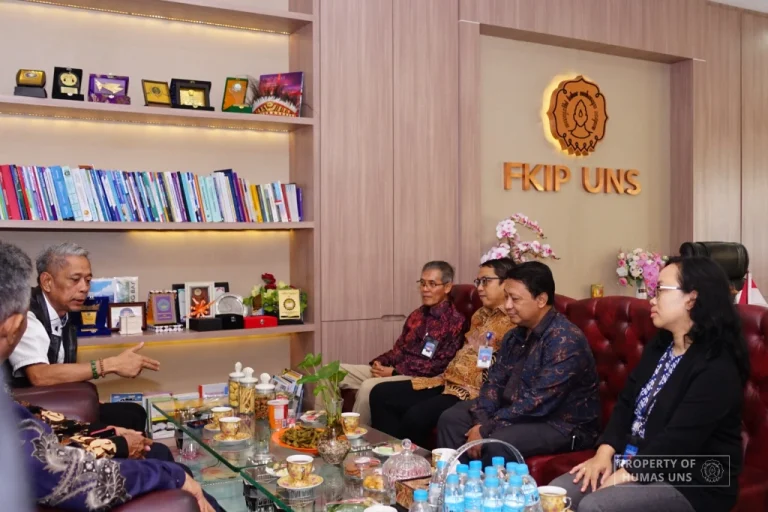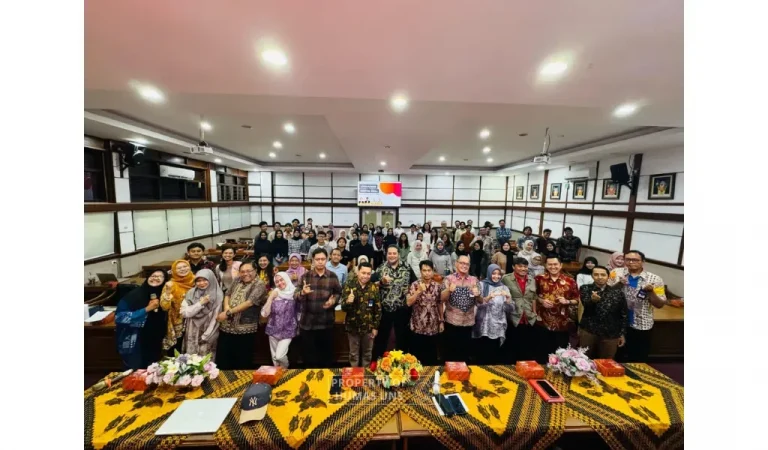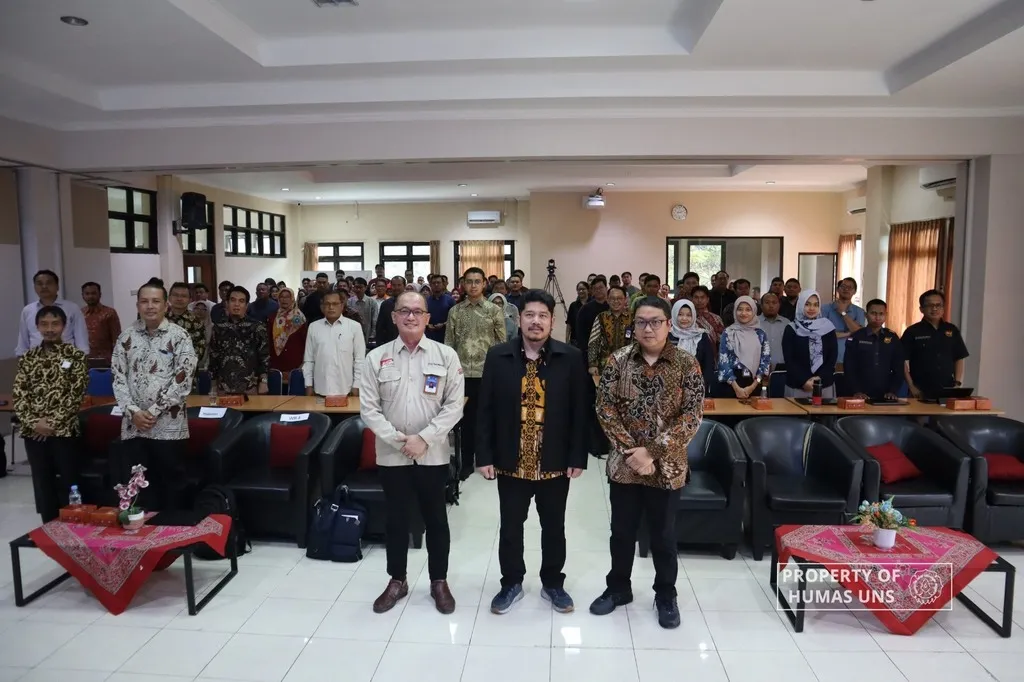
UNS – The Directorate of Information and Communication Technology (DTIK) at Universitas Sebelas Maret (UNS) Surakarta recently organized an event. It was a Seminar and Workshop on Website Governance Security. The event aimed to enhance understanding and improve the capacity for managing information security within the university. DTIK UNS held the seminar and workshop at the Hall of the Institute for Educational Development and Quality Assurance (LPPMP). The event also took place in the Teleconference Room in the LPPMP Building at UNS.
The event attracted a wide range of participants. These included university leaders, faculty members, administrative staff, and website developers from all work units at UNS. The seminar and workshop featured three key sessions. Expert speakers shared valuable insights on digital information governance and cybersecurity in the modern era.
Cybersecurity as a Key Pillar of Education
The first session focused on a seminar titled “Cybersecurity as a Pillar of Higher Education Governance in the Digital Era.” Josua M Sinambela, S.T., M.Eng., CEO of RootBrain.Com, delivered the keynote remarks. He discussed the critical challenges educational institutions face in safeguarding information systems in the digital age.
“It is essential to build a strong culture of cybersecurity in academic environments. Educational institutions face significant risks from digital attacks, which can threaten critical institutional data,” Josua stated on Wednesday (16/4/2025).
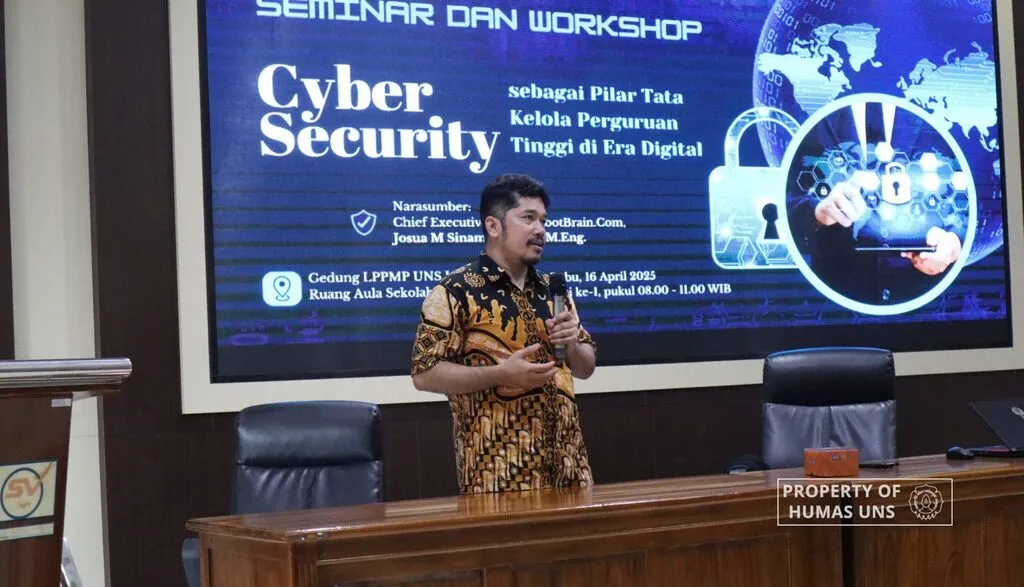
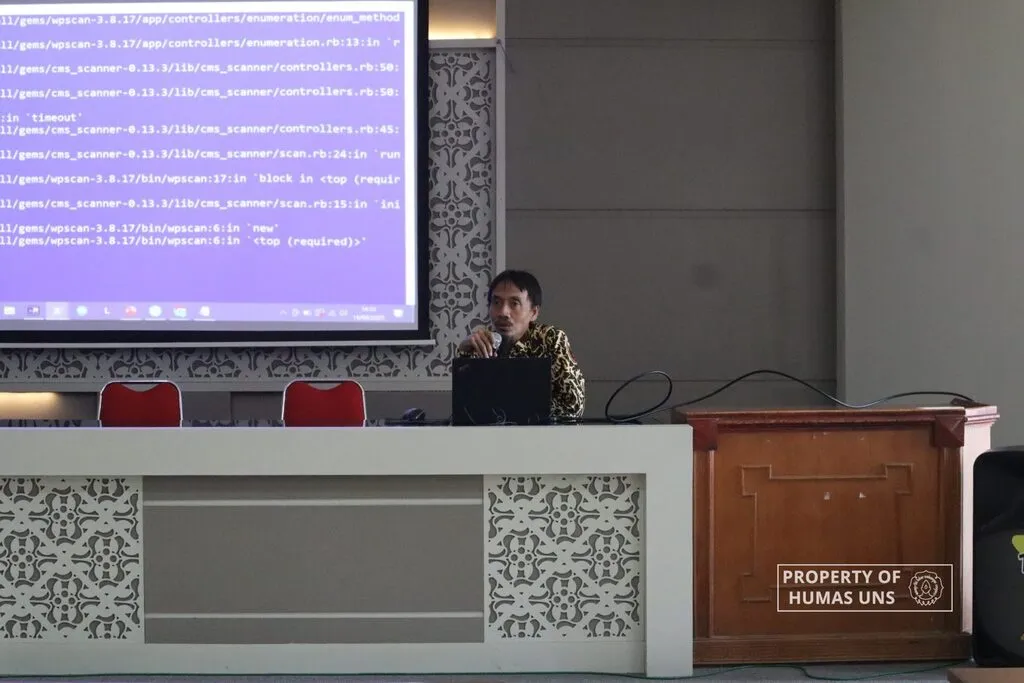
Josua’s presentation was not only theoretical but also included practical insights from his work as a digital forensic practitioner. He emphasized the advantages of the Linux operating system for stronger security, compared to other operating systems. In addition, he conducted a live demonstration to show how to detect hacked accounts using source code. Josua also stressed the importance of regular evaluations and updates to information security systems to prevent breaches in the future.
Practical Cybersecurity Measures
Josua provided actionable steps for handling compromised accounts. He explained that merely changing passwords is insufficient, as accounts remain vulnerable to further attacks. He recommended using two-factor authentication (2FA) and conducting regular security system updates.
“There is a significant risk in saving passwords in browsers like Google Chrome. This is often the entry point for hackers,” he added.
Handling Website Security Threats: Workshop Session
The second session featured a workshop titled “Handling Slot Gacor on Websites.” The workshop took place on the 4th floor of the LPPMP UNS Hall. It brought together university leaders, heads of units, IT teams, and members of UNS Computer Security Incident Response Team (CSIRT). The session aimed to address the increasing threats posed by unauthorized account access, including slot gacor cases, on university websites.
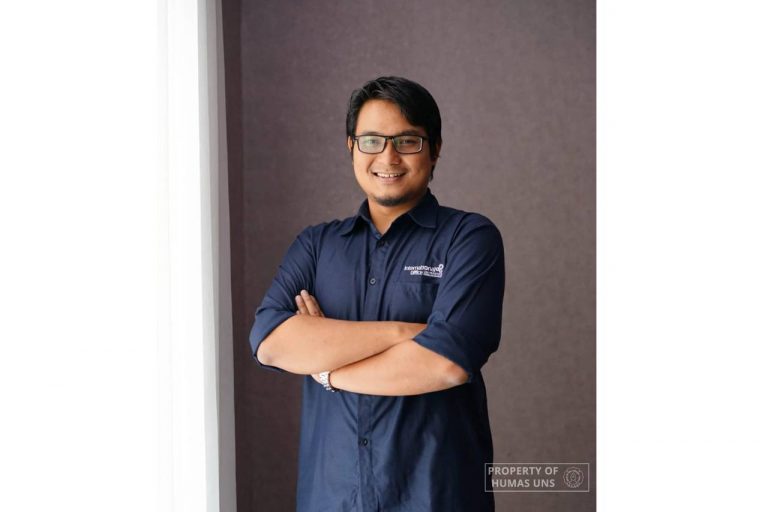
Bagus Setiawan, S.Si., Head of the Information System Security Division at DTIK UNS, led the workshop. He highlighted that the infiltration of university websites by unauthorized accounts poses serious security risks. During the session, participants learned techniques to detect system vulnerabilities. They also explored the use of WPScan tools to identify open-source code vulnerabilities and prevent digital attacks.
“Intruders often exploit security gaps, such as weak configurations and insecure admin access,” Bagus explained.
Fostering a Cybersecurity Culture at UNS
The seminar and workshop saw strong engagement from the participants. They actively participated in discussions and shared experiences about information security issues within their respective units. Through this event, DTIK UNS aims to build a robust cybersecurity culture on campus. DTIK UNS expects these activities to improve the vigilance and capacity of UNS’s staff. This will help maintain the stability and integrity of the university’s websites.
DTIK UNS hopes to foster cross-unit collaboration, creating a secure, reliable, and trustworthy digital ecosystem across the university.
Humas UNS