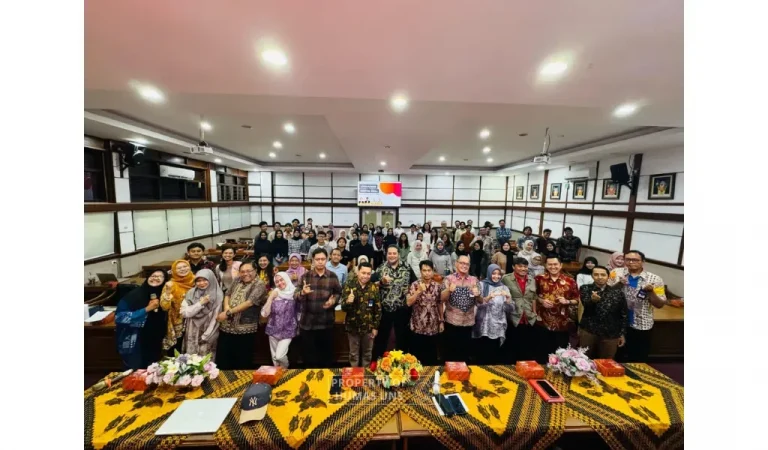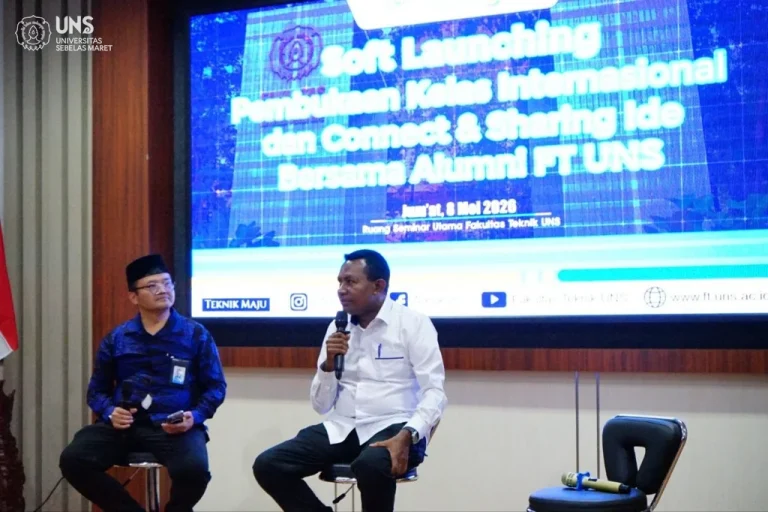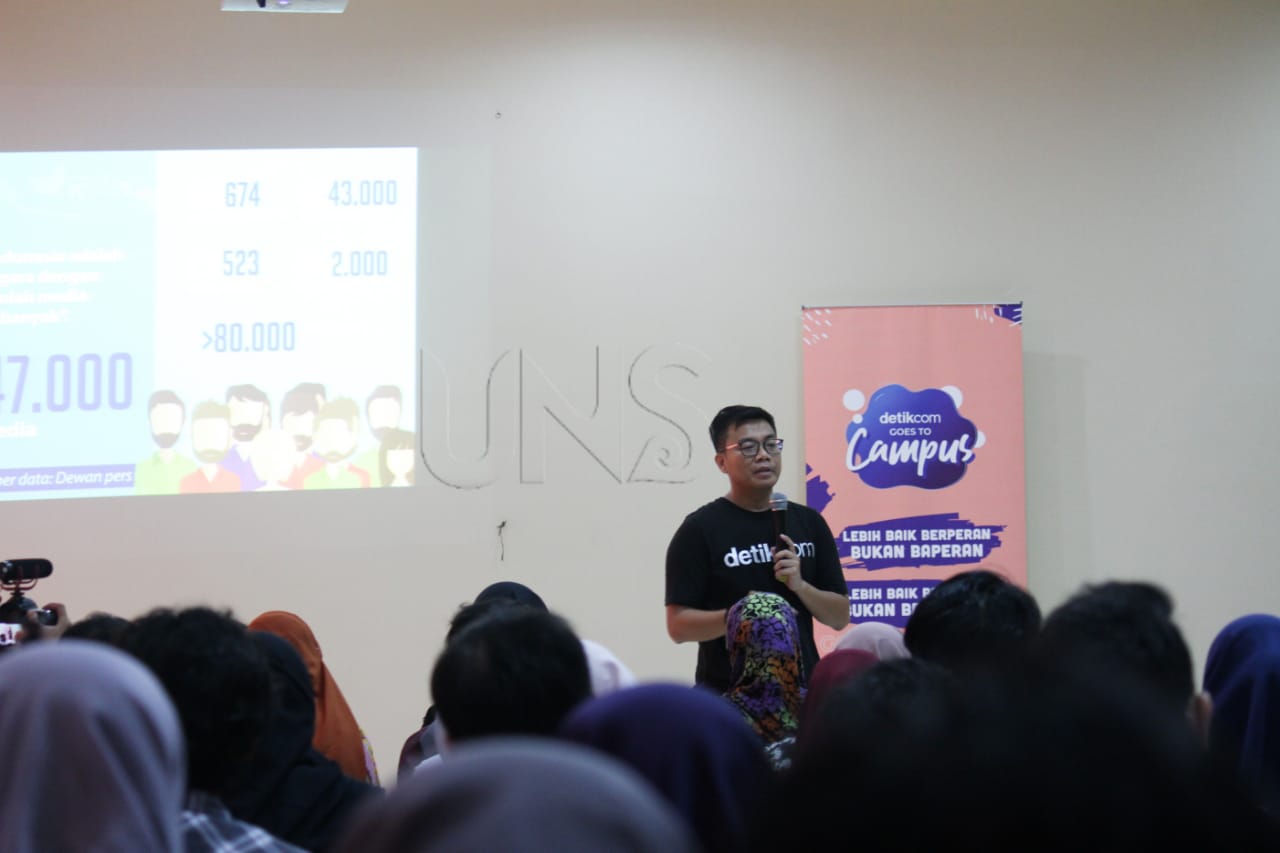
UNS – In the digital era, the ability to hone one’s abilities needs to be done continuously. The world keeps changing and developing, this requires an individual to master technology and utilize it as much as possible in all aspects of life. Responding to this matter, Detikcom organizesDetikcom Goes to Campus with a focus on Digital Journalism Workshop on Tuesday (3/3/2020) in Institute for Research and Community Service (LPPM) building 4th floor, Universitas Sebelas Maret (UNS) Surakarta.
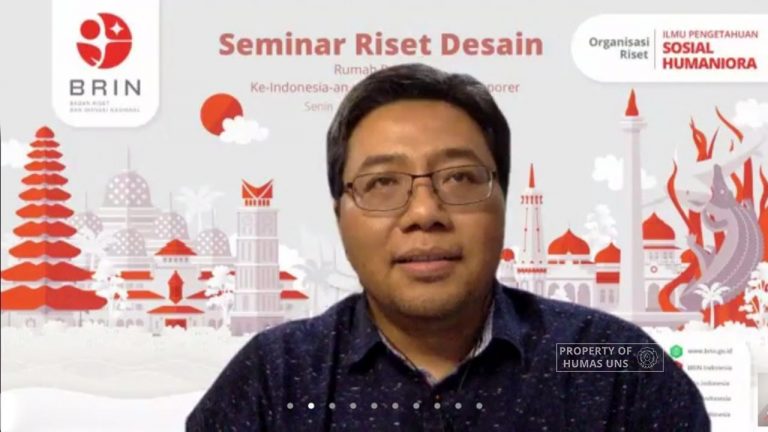
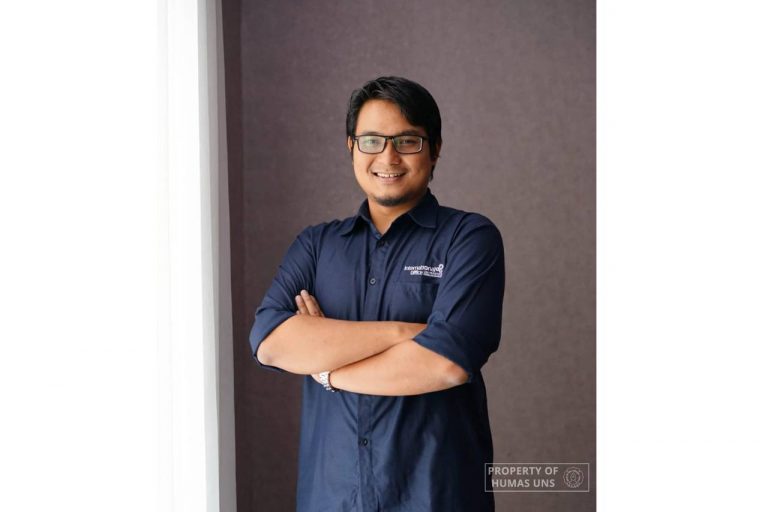
In this workshop, there are two speakers Ardhi Suryadhias the Vice Editor in Chief Detikcom and FuadFarizas the Managing Editor ofDetikcom. Each speaker delivers different materials. In the first session, Ardhi thoroughly reviews Digital Journalism.
Before delivering the main material, Ardhi asserts that someone who wishes to enter media or journalism, they do not need to come from the Communication Studies Program.
“There is no need to get worried if you are not from Communication Studies, no one knows about your fate, you can be a Public Relations (PR) officer and the reporter even if you are not from Faculty of Social and Political Science (FISIP),” Ardhi said.
In digital journalism, a reporter or journalist is required to keep updated and running, in order to deliver information to society quickly. Indonesia is a country with the highest number of mass-media. Based on the data obtained from the Dewan Pers (Pers Council), there are 47,000 mass media spread throughout Indonesia.
Currently, users more frequently use their phones to access various things. Similarly,zillenial generation (zillenial is a term given by Ardhi referring to the combination of z and millennial generation) who are more attracted to visual and less reading. Therefore, responding to this, infographics are prepared to deliver information to the zillenial generation who loves to use social media, especially Instagram.
The second session was presented by FuadFariz, who discuss Mobile Phone Video Journalist. Fuadmentioned that at least there are 100 videos produced each second in a day.
“Producing (video) as fast as possible, thus we can pursuit events, information, and articles,” said Fuad.
Today, the videosmade in news does not require it to be produced using a DSLR camera, a practical smartphone is enough. There are many platforms for live streaming today. Therefore, informative video production in order to utilize the widespread platform.
There are three key points to producingjournalist videos using a phone: visual, faster, and simple. Visual refers to interesting to watch and informative enough. Faster means that video need to produced quickly, do not have to wait for showtime/airtime, can be watched anytime, and is not time-limited as well as it has to be simple.Humas UNS/Zalfaa