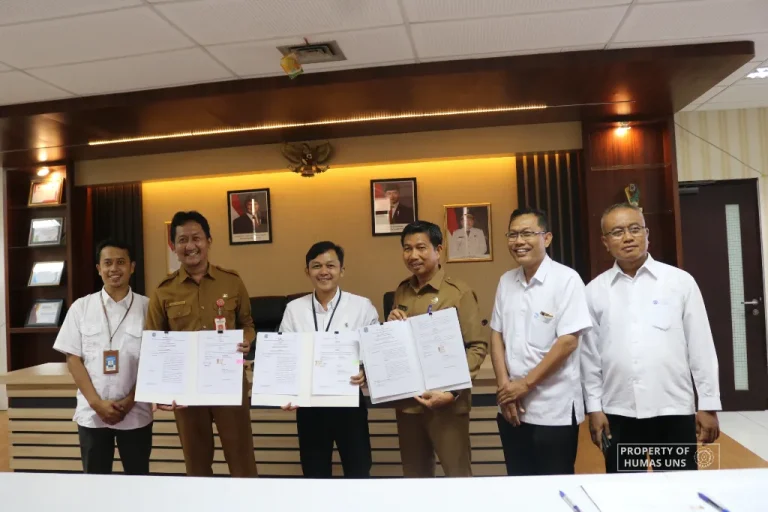
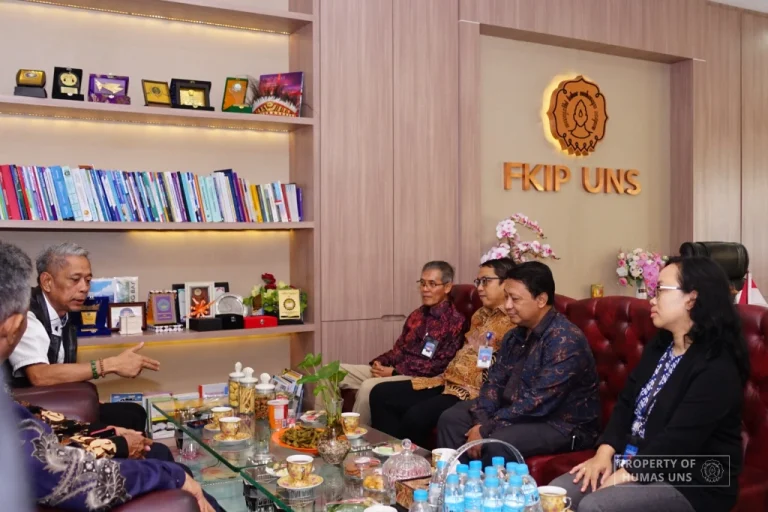
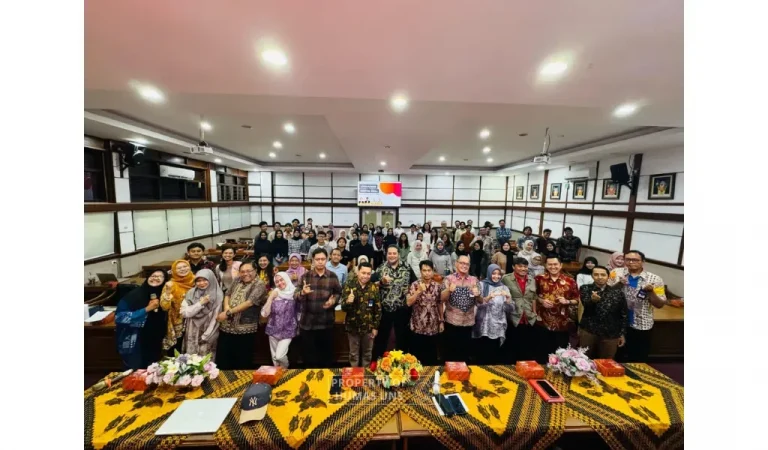
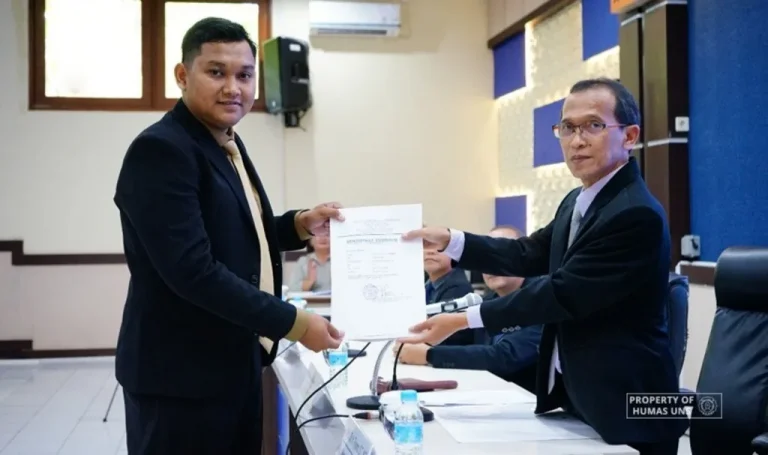
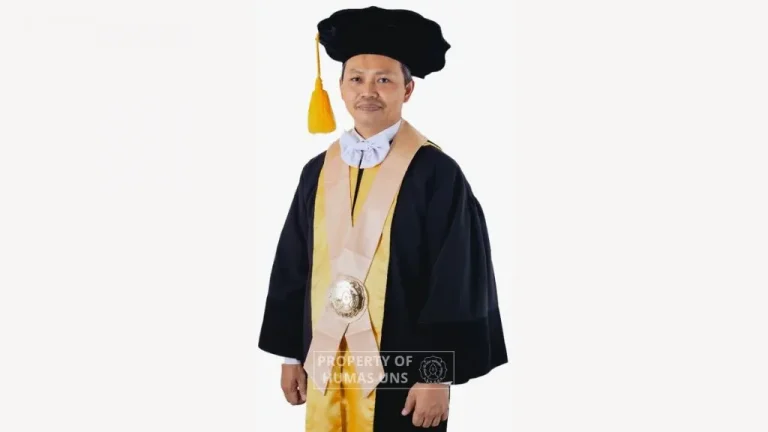
UNS – The Professional Certification Institute (LSP) of Universitas Sebelas Maret (UNS) Surakarta has initiated socialization and coordination activities with faculty and school leaders within the university. This program is scheduled every Monday, from October 14 to November 11, 2024. The faculties visited include the Faculty of Agriculture (FP), Faculty of Animal Science (FaPet), Faculty of Medicine (FK), Faculty of Mathematics and Natural Sciences (FMIPA), Faculty of Technology and Data Science (FATISDA), Faculty of Teacher Training and Education (FKIP), Faculty of Law (FH), Faculty of Social and Political Sciences (FISIP), Faculty of Economics and Business (FEB), Faculty of Cultural Sciences (FIB), Faculty of Arts and Design (FSRD), Faculty of Engineering (FT), Faculty of Psychology (FaPsi), Vocational School (SV), and the Faculty of Sports (FKOR).
During these visits, the Chair of LSP UNS for the 2024-2029 period, Prof. Dr. Ir. Endang Yuniastuti, M.Si., highlighted the increasing demand for professional competency certification in response to the evolving needs of both national and international industries. Typically, competency achievements are obtained through educational institutions, training, and work experience, assuring competency levels. LSP UNS is an extension of the National Professional Certification Agency (BNSP), authorized to certify UNS students. This certification is crucial as a formal recognition of students’ expertise in their respective competency units.
The primary goal of this program is to introduce LSP UNS by presenting its general profile, duties, authority, and the outcomes it has achieved. Prof. Endang, accompanied by the LSP UNS team, emphasized the benefits of the certification program for students.
“It is expected that each student will possess at least one competency certificate bearing the Garuda Pancasila logo from BNSP as a supplementary document to their degree (SKKNI). Furthermore, every UNS student is entitled to take a competency test once during their studies, free of charge,” Prof. Endang explained.
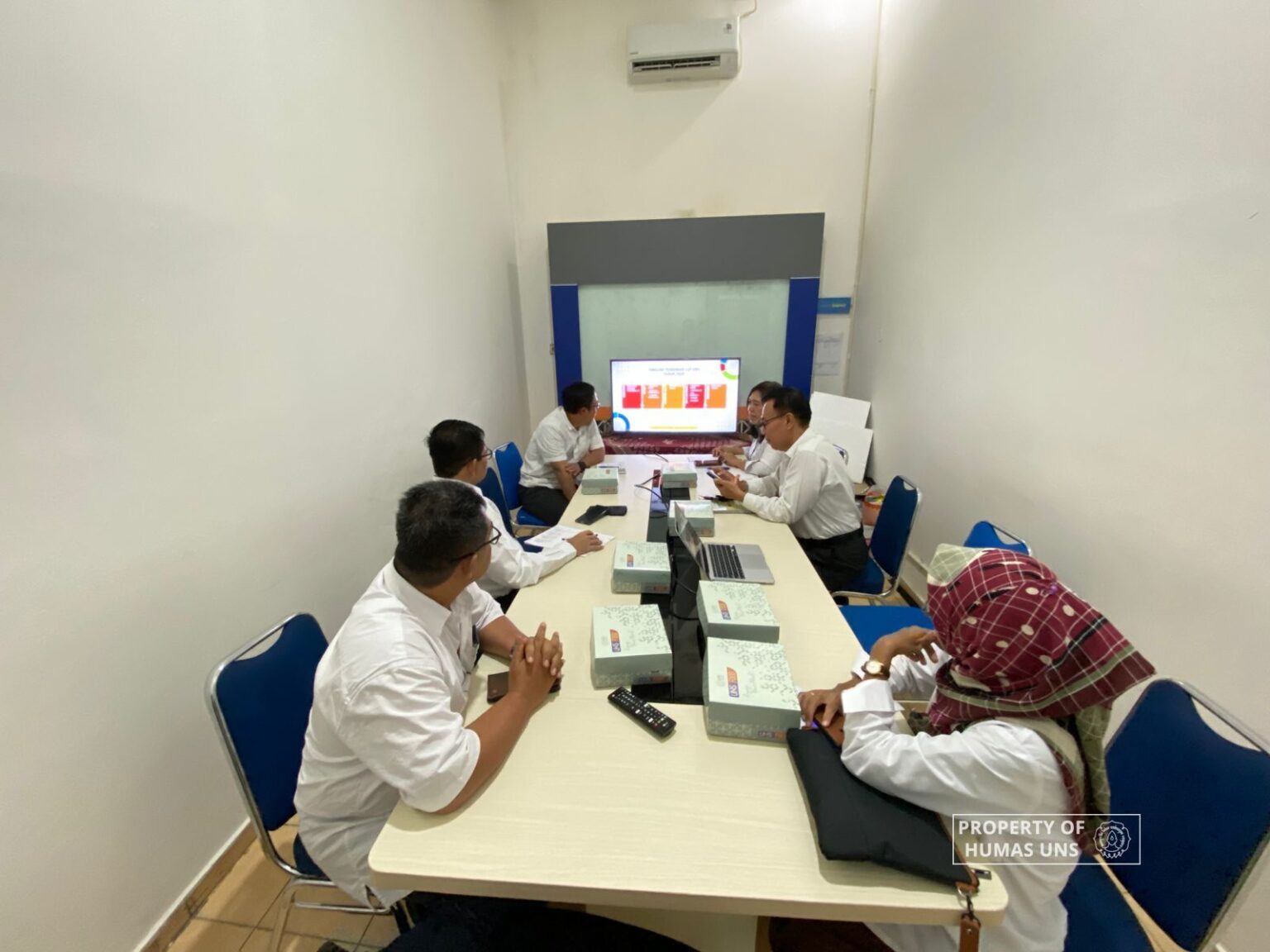
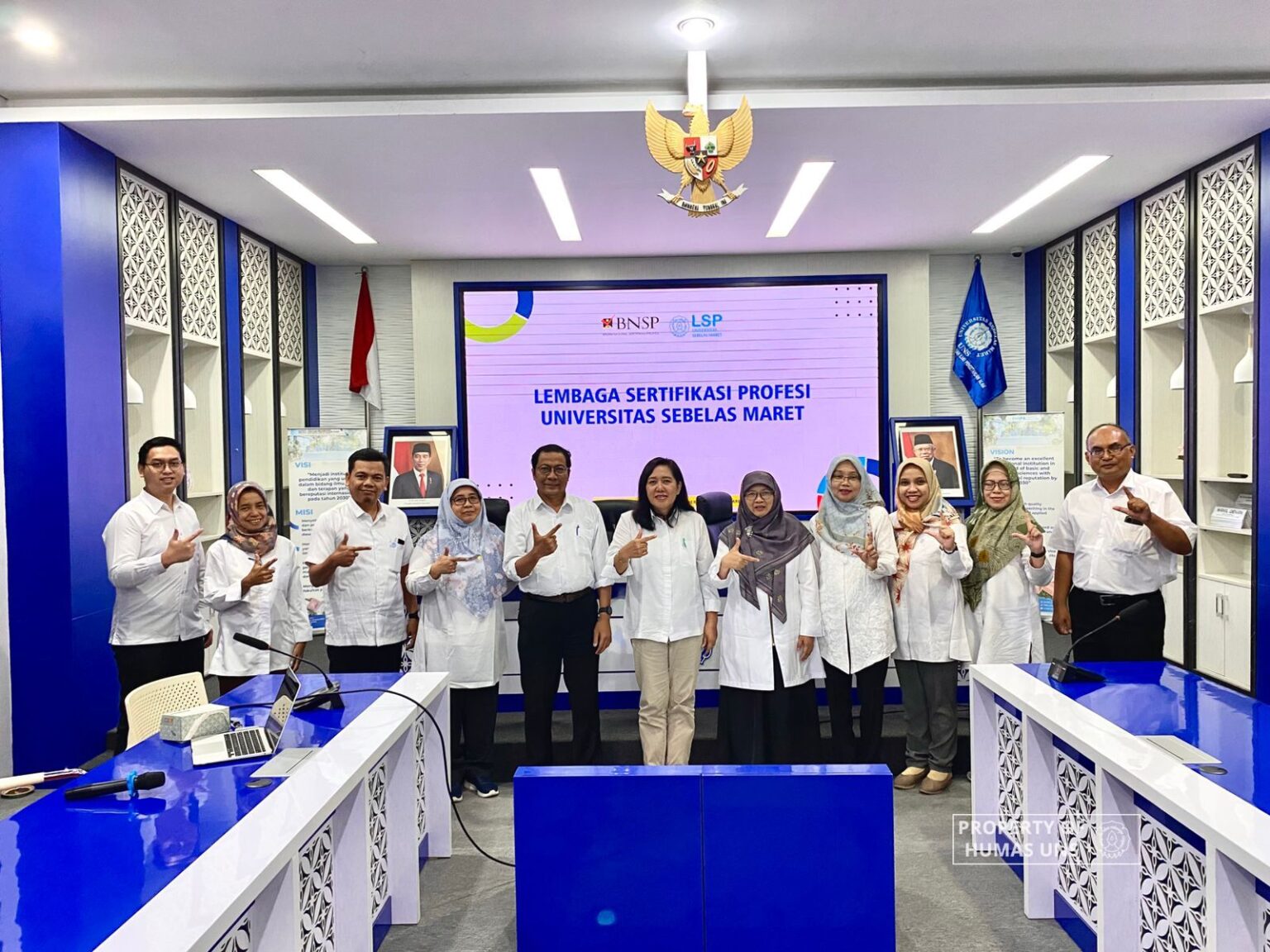
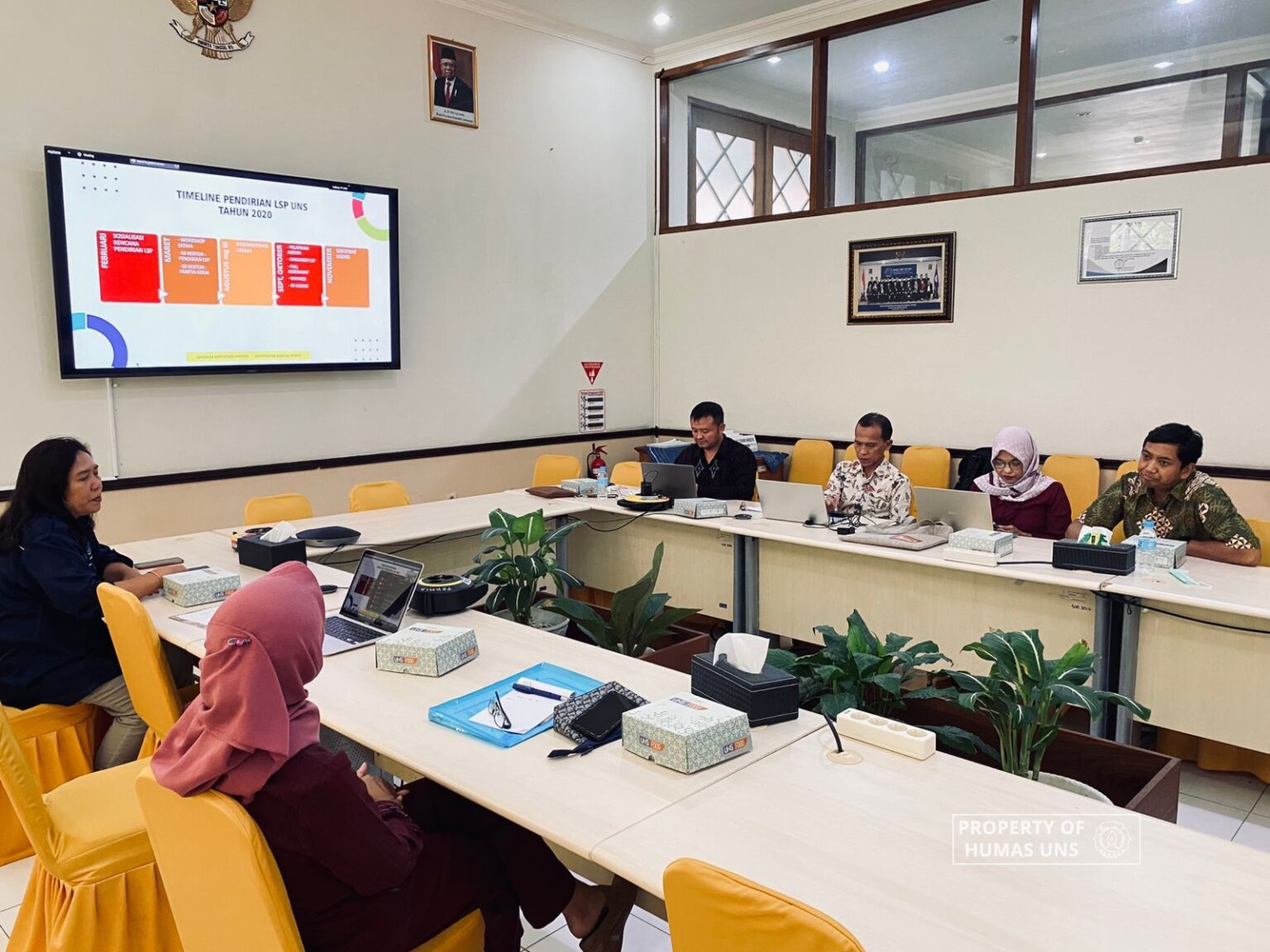
Currently, LSP UNS offers 54 competency schemes, with an additional 41 new schemes submitted for approval by BNSP. The institute has 127 active assessors. However, the distribution of certified students across UNS is still uneven, with certain faculties or schools having higher concentrations. “Ideally, each study program (Prodi) should have at least one competency scheme. Thus, LSP UNS remains open to proposals for new schemes from relevant study programs, aligning with the procedures set by LSP and BNSP,” Prof. Endang added.
During these outreach sessions, LSP encouraged faculty and school leaders to support the development of LSP, emphasizing that the institute belongs to everyone at UNS. The meetings aimed to gather feedback and suggestions to enhance the quality and quantity of competency schemes, assessors, and candidates (assessees).
Faculty and school leaders, accompanied by the Heads of Study Programs (Kaprodi), expressed positive appreciation for these outreach efforts, as many were still unfamiliar with LSP’s role and functions.
At the end of each visit, Prof. Endang expressed gratitude for the warm reception and positive feedback from the faculty and school leaders at UNS. “LSP’s success relies on the support of all stakeholders. We hope these efforts will help improve the quality and quantity of candidates in every competency test. We seek the continued support and collaboration of the university, especially from faculties and schools, to further develop LSP,” she stated.
This initiative aligns with the fourth Sustainable Development Goal (SDG) on Quality Education. As a leading educational institution, UNS recognizes the importance of equipping its graduates with adequate certification, enhancing their employability and competitiveness in the job market.
HUMAS UNS