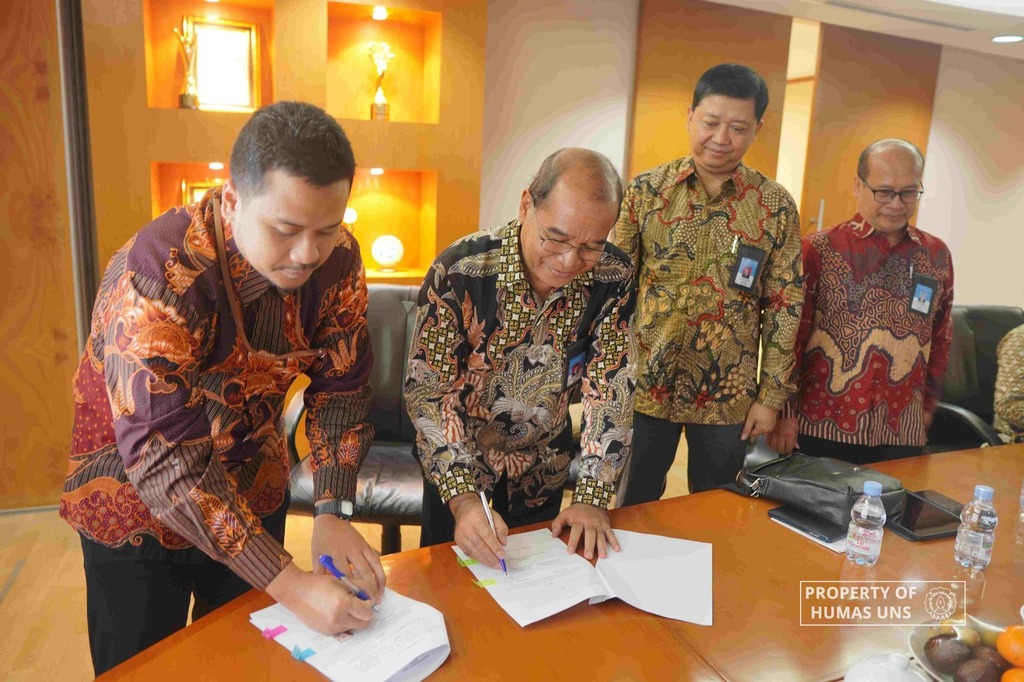
UNS – In an effort to expand collaboration networks with the industry, the Faculty of Mathematics and Natural Sciences (FMIPA) of Universitas Sebelas Maret (UNS) Surakarta entered into a partnership with PT Etana Biotechnologies Indonesia (PT Etana). PT Etana is a company that provides biopharmaceutical products claimed to be of high quality, affordable, and innovative for treating various metabolic, autoimmune, and life-threatening diseases, including cancer.
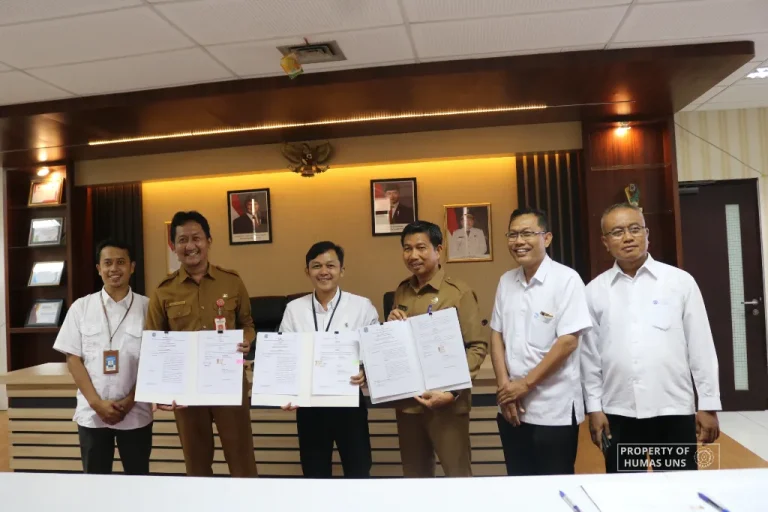
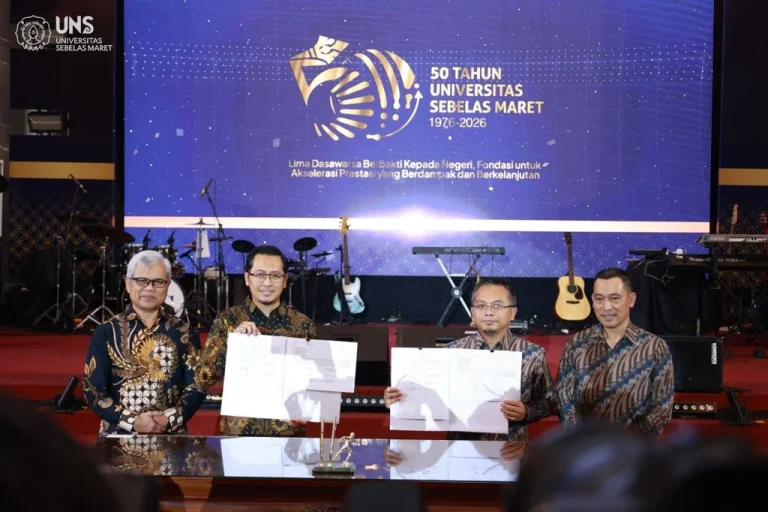
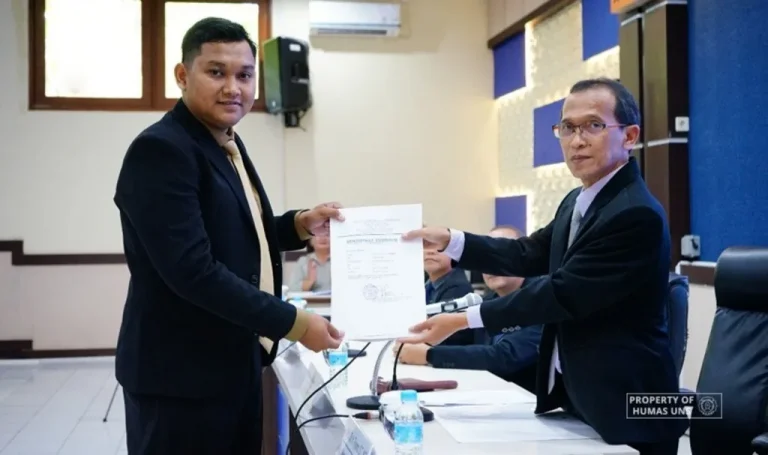
The collaboration between FMIPA UNS and PT Etana is formalized in a memorandum of understanding signed by the Dean of FMIPA UNS, Drs. Harjana, M.Si., M.Sc., Ph.D., and Nathan Tirtana, the CEO of PT Etana Biotechnologies Indonesia. The signing of the memorandum of understanding took place on Thursday (9/11/2023) at the PT Etana meeting room, Pulo Gadung Industrial Area, East Jakarta.
The purpose of this collaboration is to align the government’s programs for developing educational and research activities between universities and industry. This includes regular student internship programs and internships for six months as part of Independent Campus Learning (Merdeka Belajar Kampus Merdeka, or MBKM).
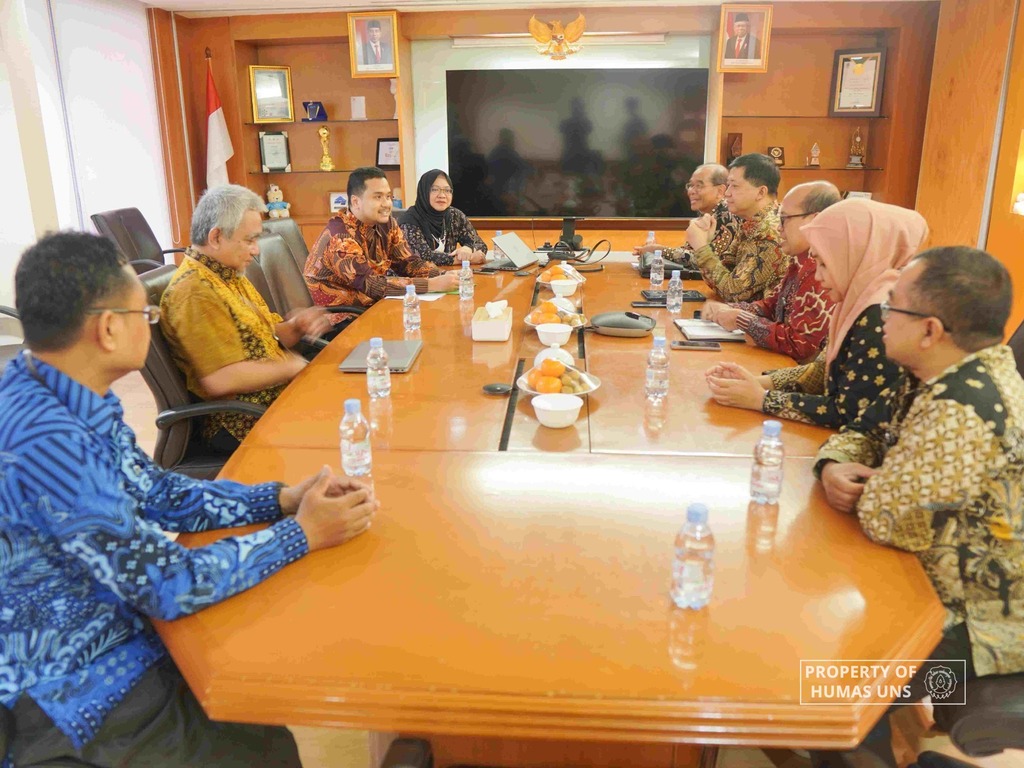
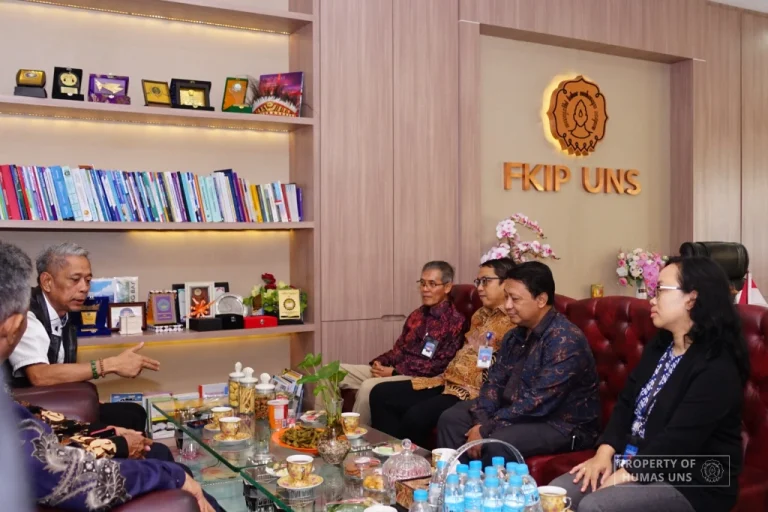
“The government program related to MBKM is excellent, where students have the opportunity to learn outside the campus and apply their knowledge in practice. The hope is that there will be efficiency in university graduates adapting to the working world,” Harjana said, in the presence of Dr. Ita Widjajanti Sandjaja, the Head of Human Resources & General Affairs at PT Etana, and staff.
In addition to student internship activities, the collaboration also involves joint research practices for theses or within the framework of joint research projects involving students. There is also collaboration in research involving teams from PT Etana and FMIPA UNS. It is hoped that this collaboration will be beneficial for both parties. PT Etana benefits from having certain activities in the company handled by intern students. Similarly, the university benefits from internship activities, allowing students to apply the knowledge gained in the classroom. HUMAS UNS