UNS – The Faculty of Medicine (FK) at Universitas Sebelas Maret (UNS) Surakarta is strengthening its role in digital healthcare education. FK UNS is now part of a collaborative project titled Digitally Enhanced Scenario-Based Learning for Digital Soft Skills (DISCERN DSS). The European Commission funds this initiative under the Erasmus Capacity Building in Higher Education (ERASMUS-EDU-2024-CBHE) scheme. It aims to enhance digital skills among medical students.
In this project, UNS joins a consortium with Universitas Gadjah Mada (UGM) and Universitas Muhammadiyah Yogyakarta (UMY). The collaboration also includes two leading European institutions: the European Union of Medical Specialists (Belgium) and Karolinska Institutet (Sweden). Aristotle University of Thessaloniki (Greece) coordinates the consortium.
Advancing Digital Learning in Medical Education
DISCERN DSS focuses on scenario-based learning, an interactive approach that helps medical students develop essential digital competencies. This method not only improves knowledge transfer but also strengthens capacity building among lecturers and academic staff.
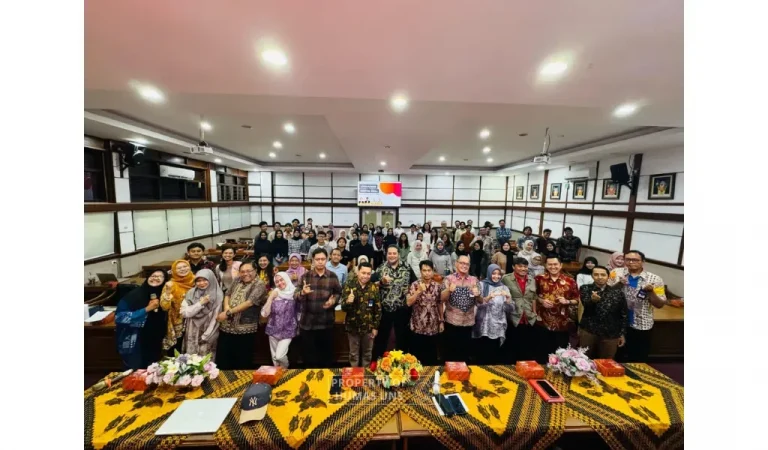
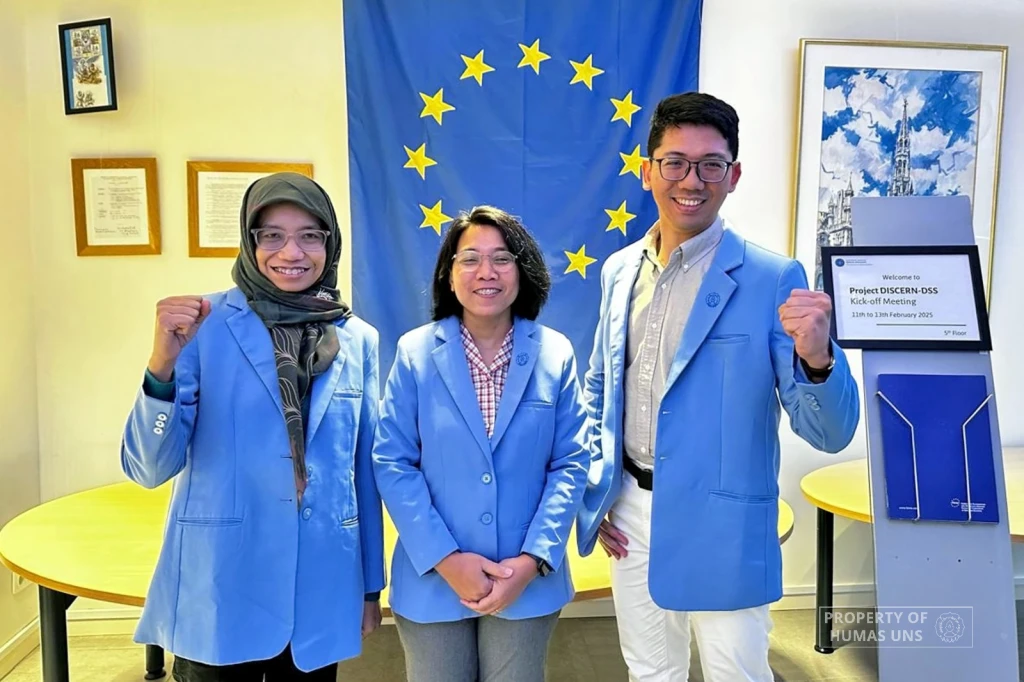
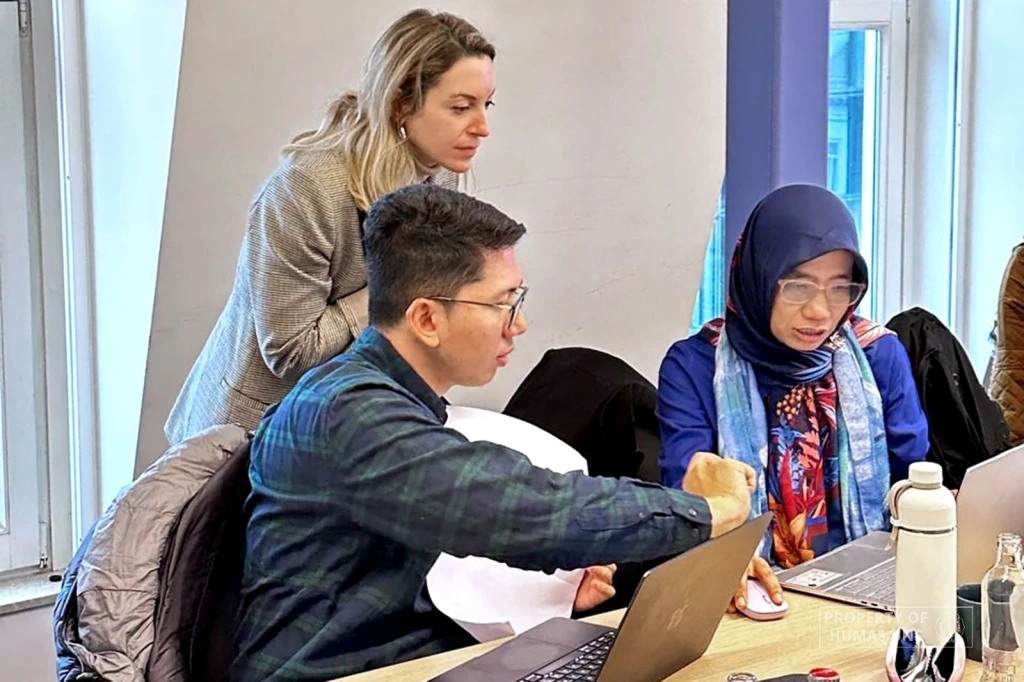
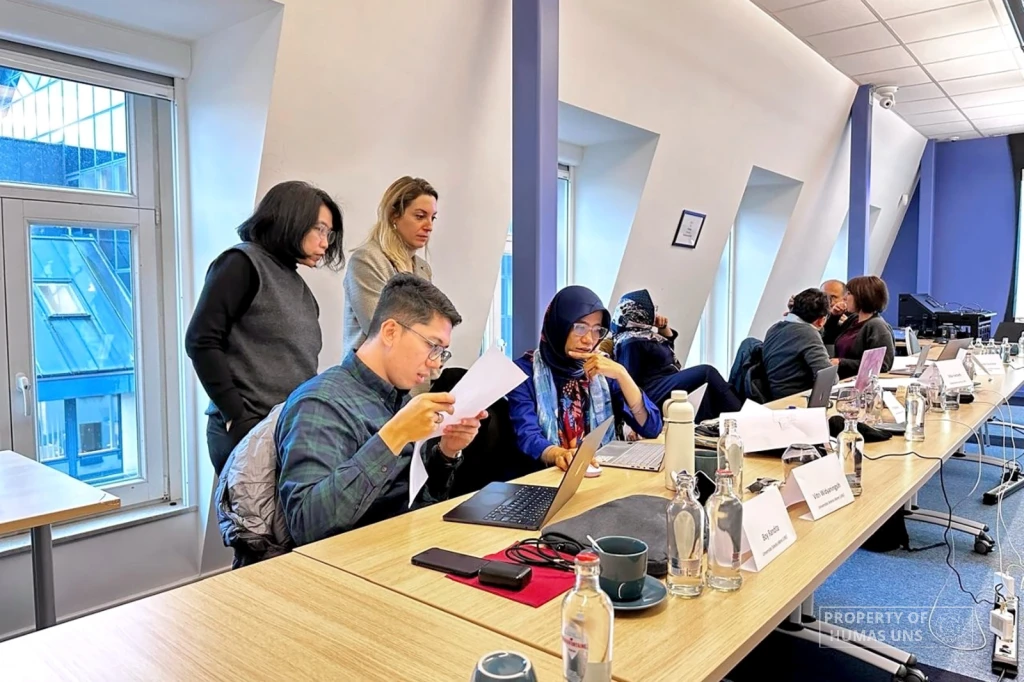
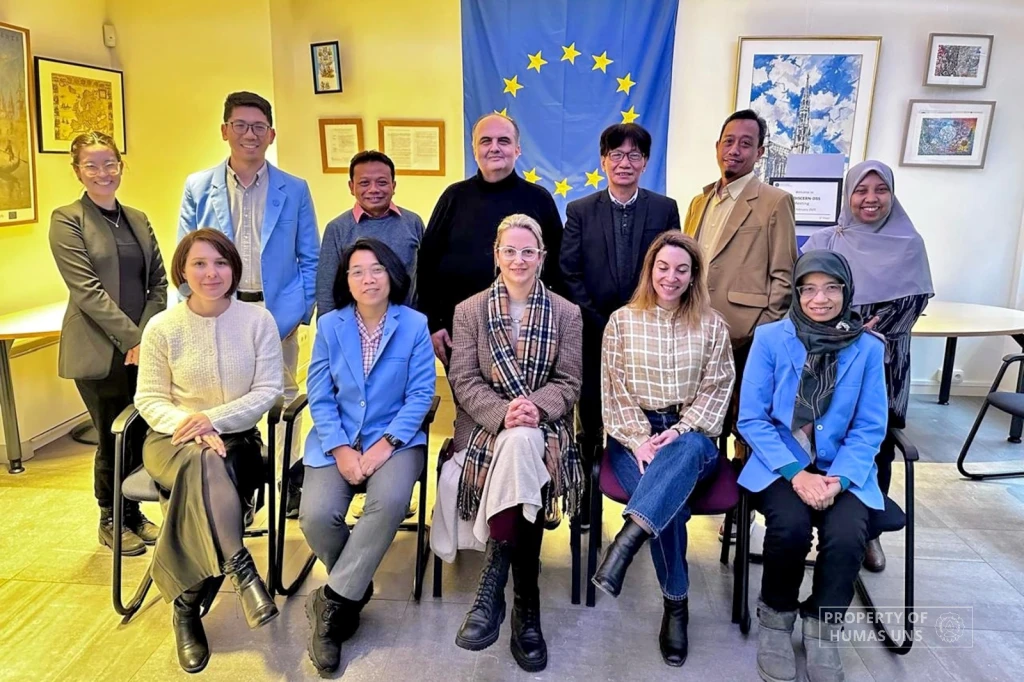
To kickstart the project, a Kick-off Meeting took place on February 11-13, 2025, in Brussels, Belgium. The meeting allowed partner institutions to align their strategies and define objectives. They also planned the project’s implementation for the next three years (2025-2027).
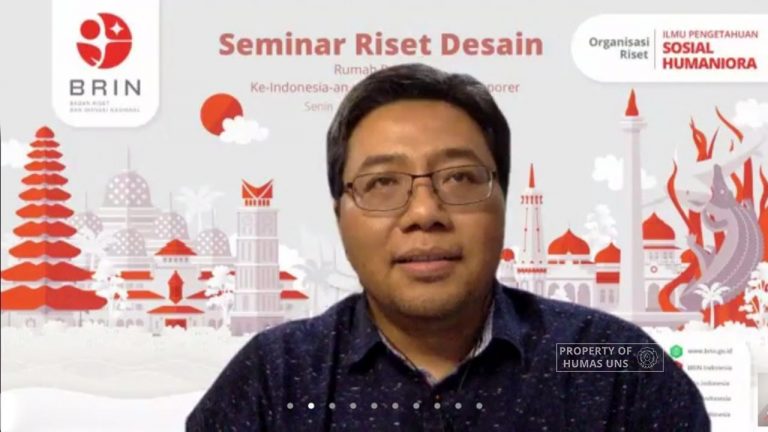
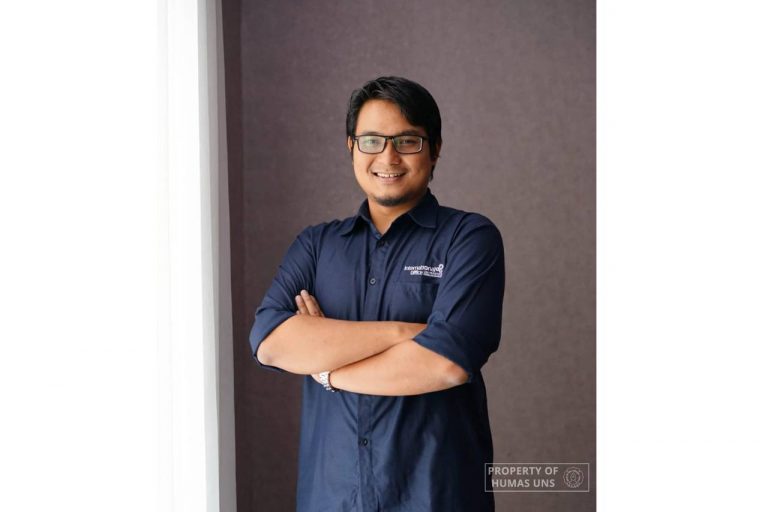
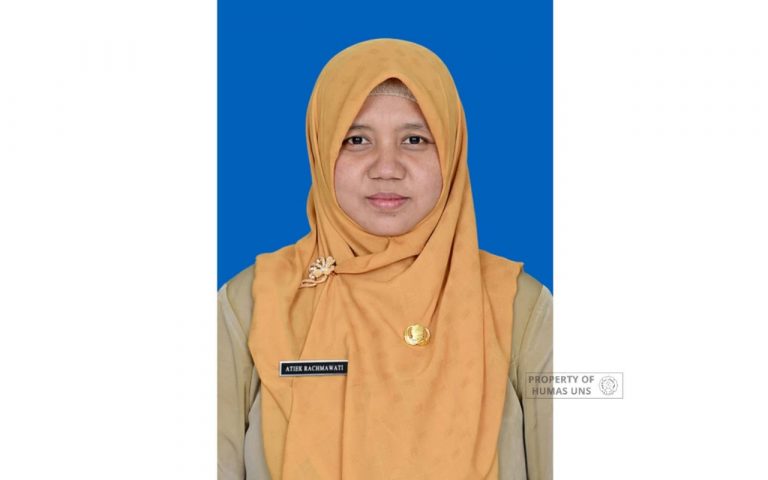
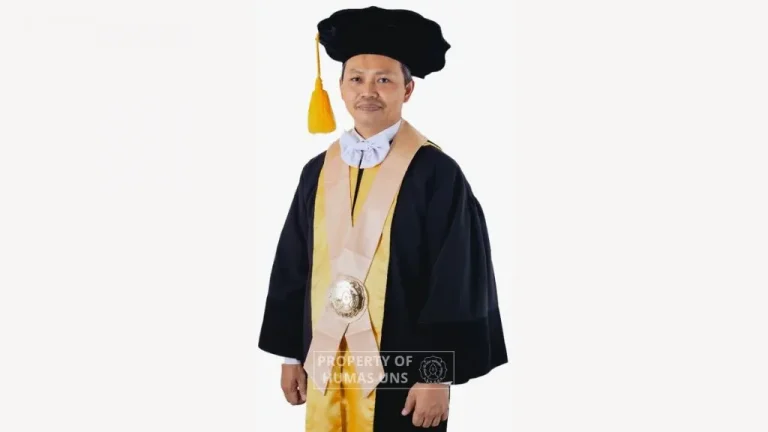
Three delegates represented FK UNS. They are Prof. Ari Probandari, dr., MPH., Ph.D. and Vitri Widyaningsih, dr., M.S., Ph.D. It also includes Amandha Boy Timor Randita, dr., M. Med. Ed., Sp.K.F.R.
During the meeting, the consortium agreed on several digital soft skills development programs. The consortium will integrate these programs into the medical education curriculum. One key initiative is the Training of Trainers program, which will take place in Yogyakarta in 2025.
Shaping Future-Ready Medical Professionals
Prof. Ari Probandari highlighted the project’s significance. She emphasized that Indonesian medical students must master both clinical competencies and digital technology to thrive in modern healthcare.
“This project will create a more advanced learning environment. It will make medical education more interactive and relevant to real-world challenges,” she stated.
Furthermore, the digital skills acquired at the undergraduate level will continue to develop during professional education and lifelong learning. This initiative ensures that future healthcare professionals integrate digital expertise into their daily medical practice.
Commitment to Global Collaboration and SDGs
FK UNS’s participation in Erasmus projects reflects its commitment to global collaboration, education, and research. Through this initiative, FK UNS actively contributes to the achievement of the Sustainable Development Goals (SDGs). It enhances the quality of medical education worldwide.
HUMAS UNS
Editor: Dwi Hastuti