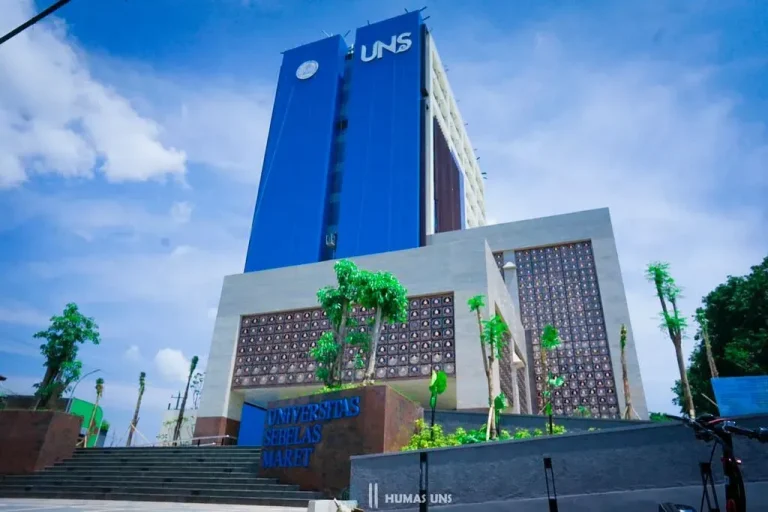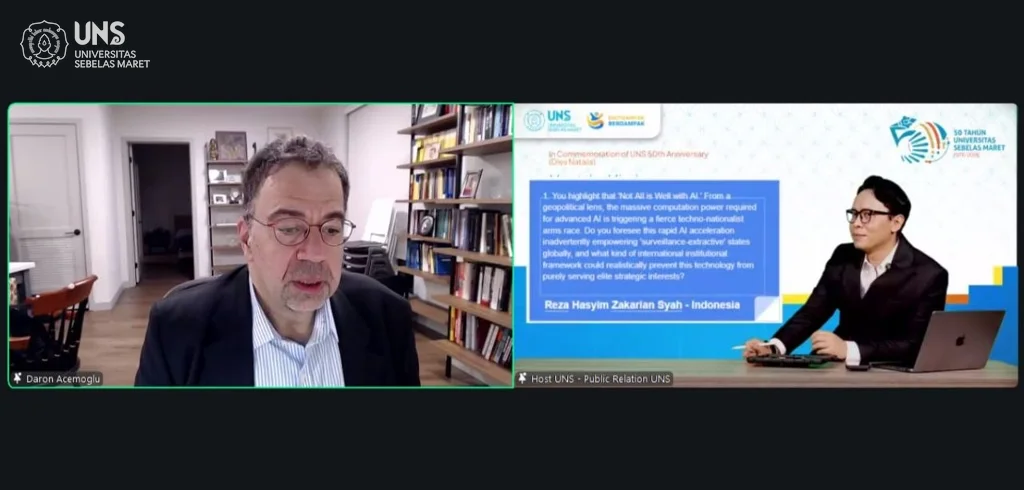
UNS — Universitas Sebelas Maret (UNS) Surakarta strengthened its presence on the global stage by holding the international webinar Meet the Mind: Nobel Laureate Series, featuring world-renowned economist and 2024 Nobel Prize in Economics laureate, Prof. Daron Acemoglu. This event became a special part of the celebration of UNS’s 50th Anniversary.
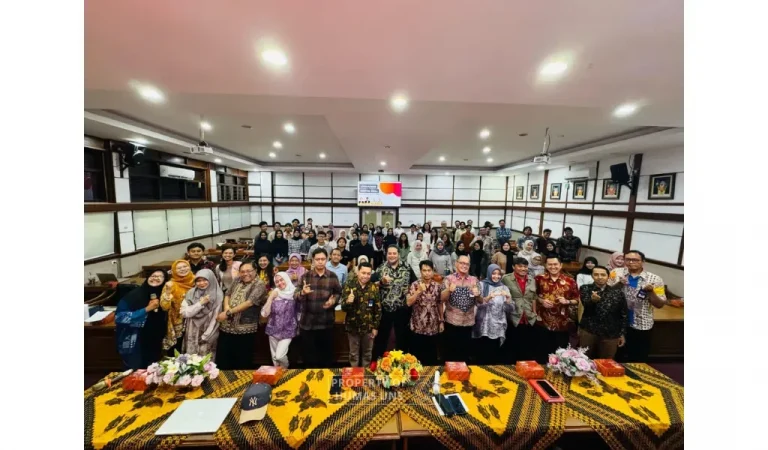
The webinar, held online, was attended by more than 1,500 participants from 31 countries across Asia, Europe, Africa, Australia, and America. The strong enthusiasm from participants around the world reflected the relevance of the issues discussed and further strengthened UNS’s position as a platform for exchanging ideas and international academic collaboration.
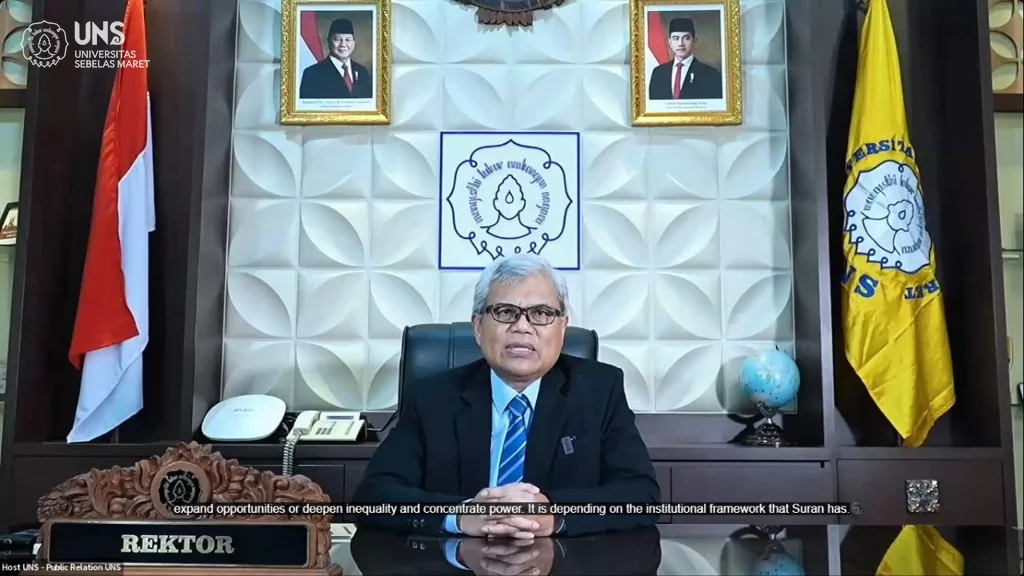
In his opening remarks, UNS Rector, Prof. Dr. Hartono, expressed his pride and honor in welcoming Prof. Daron Acemoglu to the UNS academic community and global participants. According to him, this moment was not only a university anniversary celebration, but also a reaffirmation of UNS’s commitment to advancing knowledge that creates real impact for society.
“At the age of 50, UNS is not only celebrating achievements, but also reaffirming its commitment to advancing meaningful knowledge, strengthening inclusive institutions, and preparing future leaders who understand the complex relationship between technology, policy, and society,” said the Rector.
In his presentation, Prof. Acemoglu discussed major themes surrounding the development of artificial intelligence (AI), the direction of innovation, productivity, and the future of global prosperity. He emphasized that technological progress is not neutral, but is greatly influenced by how society designs, regulates, and uses it.
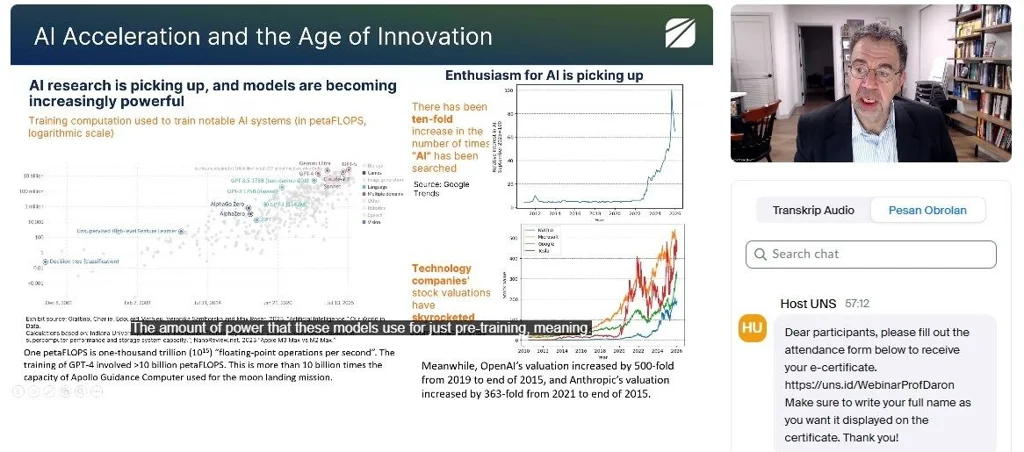
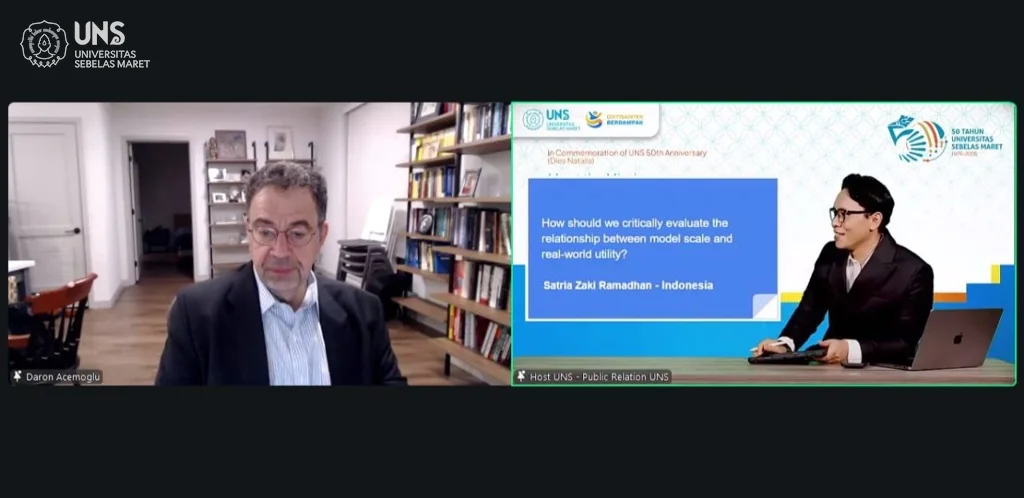
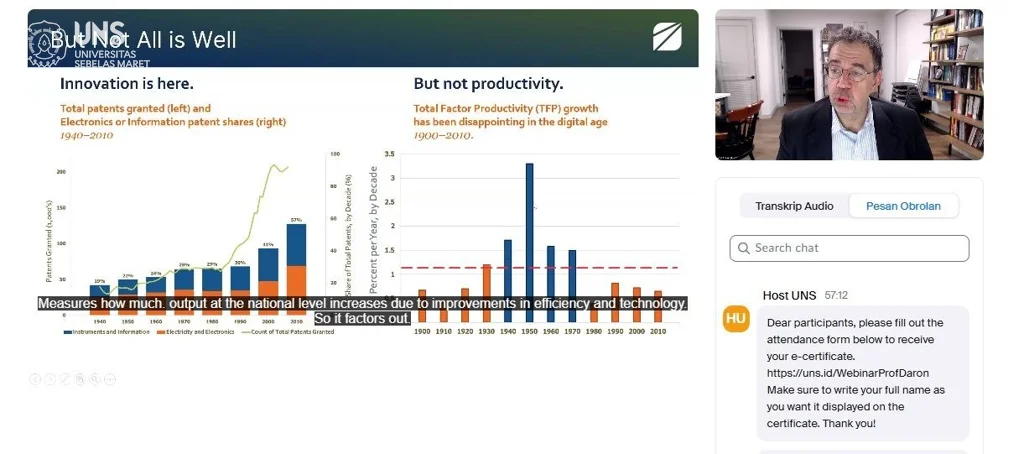
Prof. Acemoglu explained that technology can be a powerful force to expand opportunities, improve productivity, and encourage shared progress. However, without proper governance, technology also has the potential to deepen social inequality and concentrate power in the hands of only a few.
He also highlighted the importance of inclusive institutions—institutions that encourage participation, support innovation, and distribute benefits broadly. On the other hand, exclusive or extractive institutions tend to create inequality and hinder long-term progress.
During the session, Prof. Acemoglu also discussed changes in the world of work caused by automation, the need for business models that prioritize public interest, and the importance of collaboration between humans and technology. According to him, the best future is not when machines replace humans, but when technology strengthens human abilities to create and innovate.
The warm and inspiring discussion provided valuable insights for students, lecturers, researchers, policymakers, and the general public regarding the challenges and opportunities in the era of digital transformation. Through this international forum, UNS demonstrated its role as a university that is open to major global ideas, actively builds global networks, and consistently provides learning spaces that are relevant to the development of the times.
The celebration of UNS’s half-century journey became even more meaningful—not only by reflecting on its long institutional journey, but also by looking toward the future with optimism, collaboration, and the spirit of continuing to contribute to Indonesia and the world.
HUMAS UNS