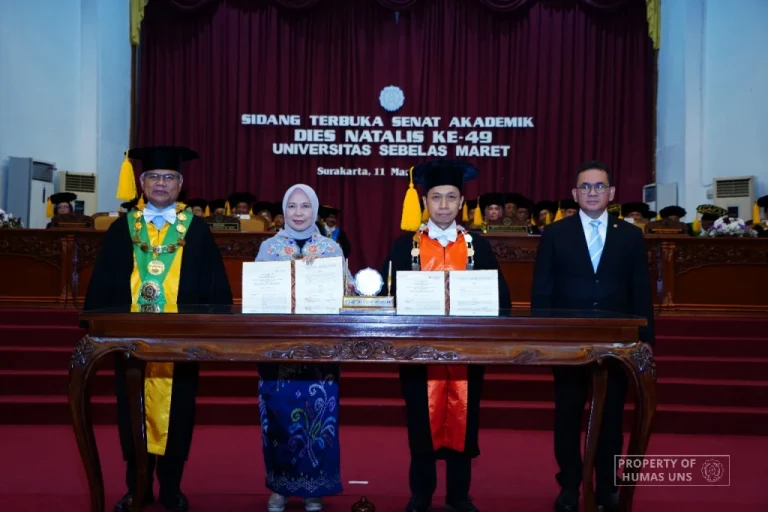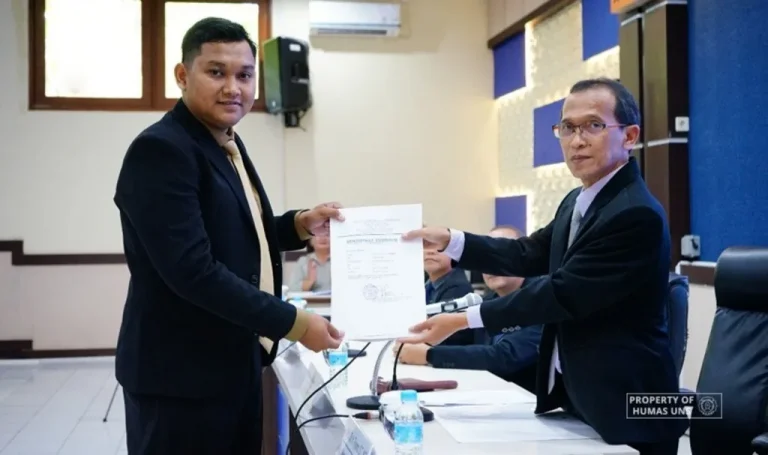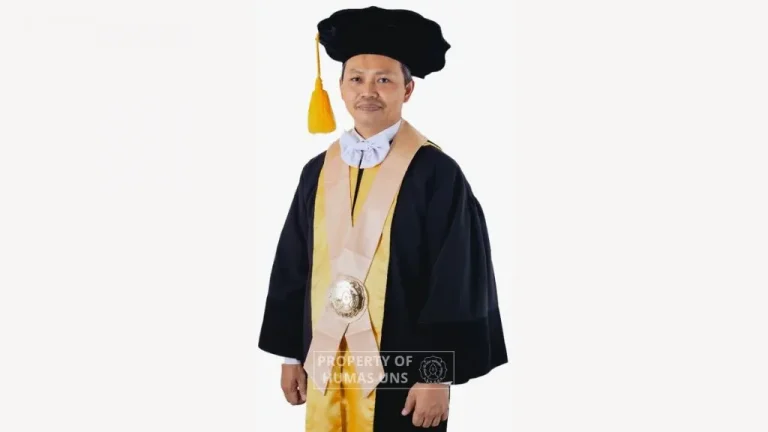
UNS – Prof. Dr. Ir. Widyatmani Sih Dewi, M.P., has been inaugurated as a Professor in Soil Biology at the Faculty of Agriculture (FP), Universitas Sebelas Maret (UNS) Surakarta. Her inauguration took place in December 2024 at the G.P.H. Haryo Mataram Auditorium, UNS. During the ceremony, Prof. Widyatmani delivered her inaugural speech titled “Earthworms: Hidden Heroes for Agricultural Sustainability Amid Global Challenges.”
In her speech, Prof. Widyatmani emphasized the critical role of agriculture in meeting global food needs amid a growing population. With Indonesia’s population reaching approximately 284,5 million, its food supply heavily relies on agriculture. Globally, soil contributes 95–98,8% of the world’s food supply and plays a vital role in producing healthy food. Healthy soil is essential for human health as it serves as a vital living system that sustains biological productivity, maintains environmental quality, and enhances the health of plants, animals, and humans.
However, healthy food production faces significant challenges, as about 33% of the world’s soil has been degraded. The Food and Agriculture Organization (FAO) warns that by 2050, 90% of the Earth’s topsoil will be at risk. Other pressing challenges include climate change, rising global temperatures, droughts, increased salinity, floods, emerging pests and diseases, and reduced soil biodiversity—threats that jeopardize food security.
“Soil is a fragile natural resource. Degraded soil is difficult to renew and highly vulnerable to various stresses. Recognizing this, the FAO declared December 5 as World Soil Day to highlight the importance of sustainable soil management for food security. Therefore, maintaining soil health must be a policy priority,” Prof. Widyatmani, the 48th Professor in the Faculty of Agriculture at UNS, explained.

Earthworms are often regarded as repulsive creatures, and their presence is frequently ignored. However, they are hidden heroes playing a crucial role in our ecosystems. Let’s get to know these remarkable soil dwellers better. Earthworms are visible soil organisms that are hermaphroditic, feed on organic residues, and thrive in moist soil. They are classified into three ecological categories: epigeic, which are surface-dwelling decomposers breaking down organic litter; anecic, which move vertically between the soil surface and deeper layers, creating vertical soil porosity; and endogeic, which remain within the soil, forming horizontal pores. Based on their functions, earthworms can be described as litter dwellers, soil excavators, intensive tunnel diggers, and bioturbators that turnover and improve soil. These activities make earthworms indispensable for maintaining healthy soil ecosystems and promoting sustainable agriculture.
Earthworms play a pivotal role in preventing and repairing soil degradation by improving soil structure and enhancing microbial activity through their digging and feeding behaviors. These actions improve the hydrological functions of the soil by creating porosity, aeration, and water infiltration. Additionally, earthworms enhance soil fertility by facilitating nutrient cycling.
Beyond their role in soil health, earthworms contribute to climate change mitigation. They help sequester soil carbon through their castings and regulate greenhouse gas emissions. As decomposers of organic waste and agents of bioremediation for contaminated soils, earthworms demonstrate their value as ecological champions.
Earthworms also serve as bioindicators of soil health, reflecting the overall condition of the soil. Furthermore, they provide economic opportunities for communities. Practices such as earthworm farming (vermiculture) and organic waste composting (vermicomposting) produce high-quality vermicompost biomass that can be sold, turning earthworms into valuable assets for sustainable agriculture and local livelihoods.
“Earthworms support agricultural sustainability and soil health. Promoting earthworm-friendly farming practices is crucial for sustainable food production. Integrating these practices into agricultural systems is a pathway to sustainability,” Prof. Widyatmani noted. Examples of such practices include minimum tillage, organic fertilizer application, cover cropping, reducing chemical pesticides and fertilizers, and earthworm inoculation.
Prof. Widyatmani’s expertise aligns with the goals of Sustainable Development Goal (SDG) 15, focusing on life on land and ecosystem preservation.
HUMAS UNS