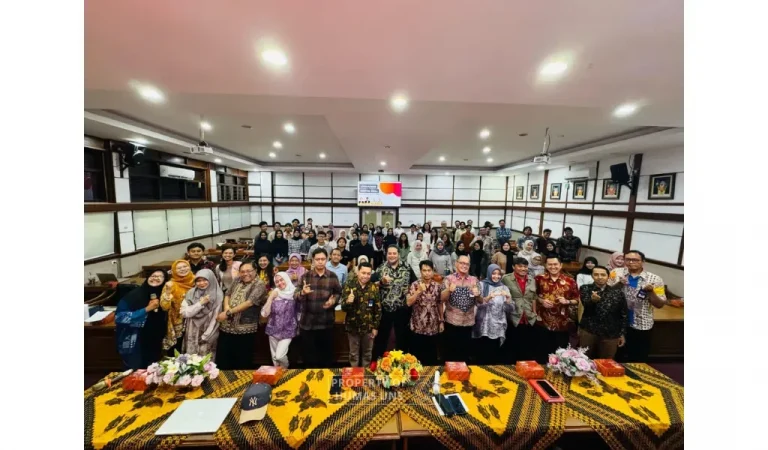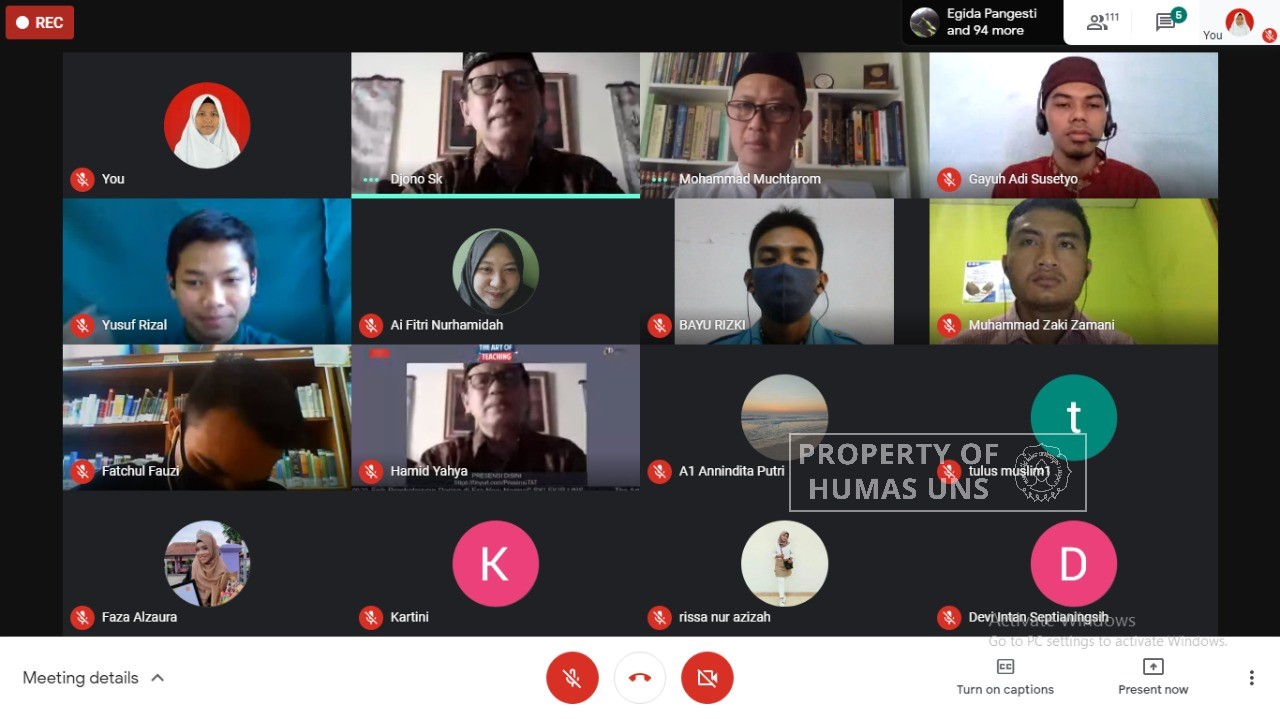
UNS — Responding to the online learning problem in the pandemic, the Center for Islamic Activities (Sentra Kegiatan Islam – SKI) Faculty of Teacher Training and Education (FKIP) Universitas Sebelas Maret (UNS) Surakarta held The Art of Teaching (TAT) even under the theme of ‘Epic Strategy for Online Learning in the New Normal Era’ through Google Meet and YouTube live broadcast in SKI FKIP UNS YouTube channel on Sunday (20/9/2020). The event was attended by the Vice-Dean for Student and Alumni Affairs FKIP UNS, Dr. Djono, who provided an opening remark and appreciated the event.
“This kind of event is laudable for us, the faculty executives because we encourage students in Student Associations or organizations to hold similar event even when we are in this pandemic,” Dr. Djono explained.
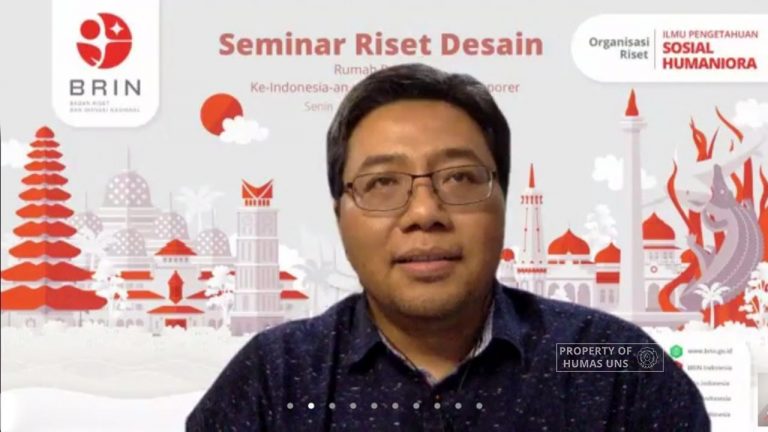
Two speakers were invited in the event, Dr. Moh. Muchtarom and Nopriadi Hermani, Ph.D. The first speaker, Dr. Moh. Muchtarom is Expert Board for Indonesia Governmental Science Lecturers Association (Asosiasi Dosen Ilmu Pemerintahan Seluruh Indonesia – ADIPSI) of Central Java and the Coordinator for Islamic Religion Lecturers Coordinator FKIP UNS discussed the strategy in character learning in the new normal era.
He stated that in the new era, teachers, students, and parents all find challenges in implementing distance learning. Teachers might experience challenges in managing distance learning and tend to meet the curriculum, do not meet the required teaching hours, and to communicate with parents. While students might find difficulties in concentrating, completing a difficult task, and bored staying at home. Besides, not all parents can accompany their children when they are studying. Dr. Muchtarom suggested that parents provide examples of character values, teach responsibility, assist them in writing a student’s reflection journal, and make an agreement with the child to internalize character values. He also emphasized the importance of financial literacy, numeracy, and science for children amid the pandemic.
Concluding his material, Dr. Muchtarom, advised that the pandemic should be used as a foothold to reach and step further. “We should not stop in the current condition. There is a lesson that Allah granted to us that with this pandemic we grew familiar with technology, we are increasingly aware that as human we are weak before Allah,” Dr. Muchtarom concluding.
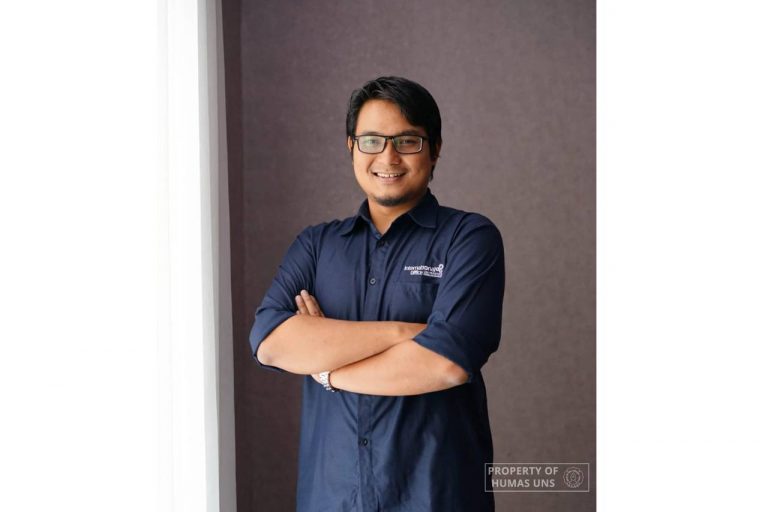
The next material was delivered by Nopriadi Hermani, Ph.D, the writer of “The Model for Smart Parents” who on the occasion, emphasized the essence of education. “Education is not just about being smart and knowledgeable, but also for maturity,” Nopriadi explained.
Further, he explained that there are three aspects of education, hard skill, soft skill, and values. Hard skill is related to the knowledge in the field they work in. In the current situation, the hard skill can be limited, according to Nopriadi. A real example is online learning, even though the teaching and learning process is not as optimal as it is in the classroom but humans will continue to learn to improve it. The soft skill is related to the self-management, such as how to build leadership, communication skill, and interpersonal relationship. These aspects can grow well if there is a natural interaction among students. Lastly, the values related to integrity and praiseworthy values. These values are hard to be taught virtually, which often develop dishonesty.
Nopriadi also explained about student’s responsibility to ensure that they become a successful, happy, and contributive person. This is different from parent’s responsibility which is to educate and to make sure that children become successful, happy, and contributive people. At the end of his material, Nopriadi advised that students should not just acquire knowledge in their university education.
“As university students, we should not just collect knowledge, but also acquiring education to become a mature and responsible person. Three things need to be achieved, success, happiness, and contributive in building a civilization. You should not act like High Schooler whose status changed into a university student, you must fight to change habits, thoughts and behavior so that we can survive in this life and be able to achieve success, be able to live happily and be contributive in building civilization,” Nopriadi concluded. Humas UNS
Reporter: Zalfaa Azalia Pursita
Editor: Dwi Hastuti