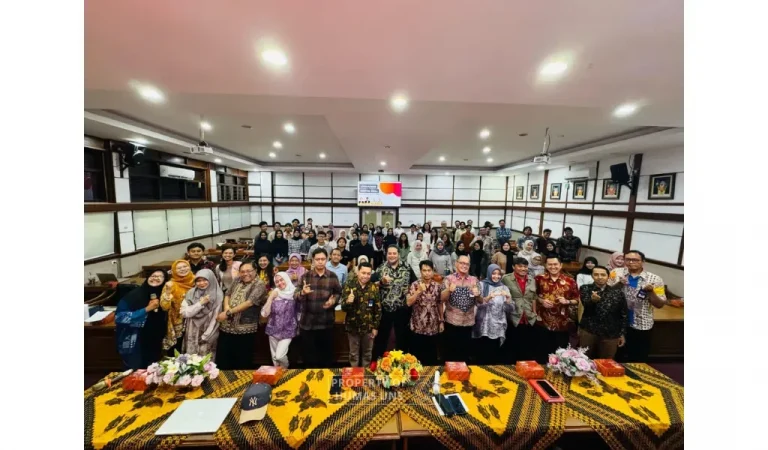
UNS — The Vocational School (SV) of Universitas Sebelas Maret (UNS) Surakarta collaboration with the Directorate General of Horticulture, Ministry of Agriculture, BRIN, BMKG (Meteorology, Climatology, and Geophysics Agency), and the Geospatial Information Agency, conducted applied research collaboration for adaptation and anticipation of climate change effects on strategic horticultural commodities. The downstreaming and dissemination of these applied research activities took place in South Jakarta on Tuesday (15/8/2023).
The Collaborative Research Team includes Darmawan Lahru Riatma, S.Kom., M.MT. (lecturer of D3 Informatics Engineering at SV UNS Madiun Campus), Dr. Ir. Aris Pramudia, M.Sc (BRIN Climate and Atmospheric Research Center), Adi Ripaldi, M.Sc. (BMKG Climate Center), Ferrari Pinem, S.Si., M.Sc. (Geospatial Information Agency), and stakeholders of the Directorate General of Horticulture, Ministry of Agriculture.
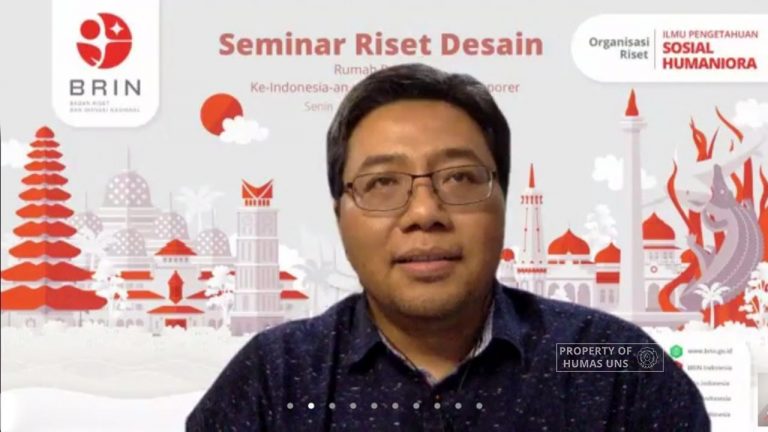
The downstream and dissemination activity involves sharing the research results and the development of the ewssipantara.id software. The event was held in a hybrid manner, combining in-person participation in South Jakarta with Zoom participation, and live streaming on YouTube, attended by agricultural departments’ stakeholders from provinces, districts, cities, and horticultural farmers throughout Indonesia.

The activity was opened by the Director General of Horticulture, Dr. Ir. Prihasto Setyanto, M.Sc. Dr. Prihasto stated that shallots and various chili peppers are strategic commodities that significantly contribute to food inflation-deflation in Indonesia. A decrease in shallot and chili pepper production during the off-season would greatly affect inflation. “Mitigating the impacts of climate change, anticipating pest and disease effects, and providing guidance for potential planting schedules for strategic horticultural crops still need reinforcement,” Dr. Prihasto explained.
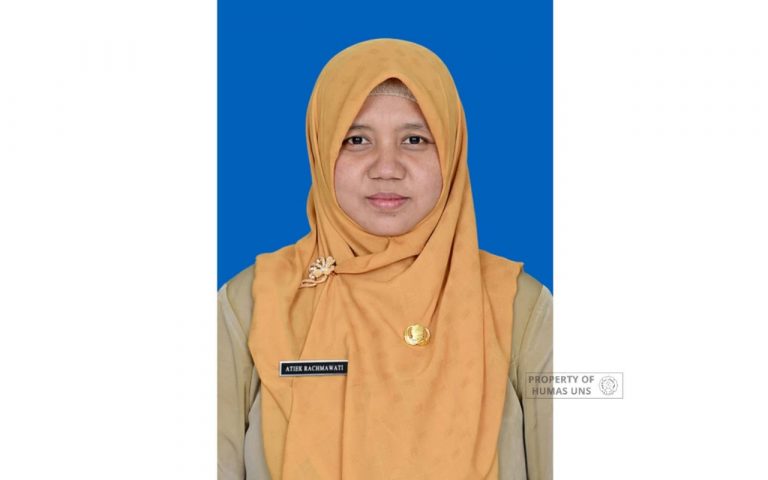
Dr. Ir. Aris Pramudia, M.Sc from the Climate and Atmospheric Research Center at BRIN, said that climate change and variability are an inevitable reality that will impact agricultural production, including horticulture. This was reinforced by predictive data presented by Adi Ripaldi from BMKG, indicating that August to September is the peak of the El Nino phenomenon in Indonesia, which could affect strategic horticultural production.
Darmawan Lahru Riatma, S.Kom., M.MT., lecturer of D3 Informatics Engineering SV UNS Madiun Campus, presented the solution for anticipating the impact of climate change and El Nino on horticulture through the utilization of the ewssipantara.id application. Darmawan explained that the application features flood and drought predictions based on rainfall data forecasts from BMKG. “The prediction data is updated every month, and from this rainfall prediction, we have developed optimal planting schedule recommendations for chili peppers and shallots using an artificial intelligence algorithm,” Darmawan said.
HUMAS UNS