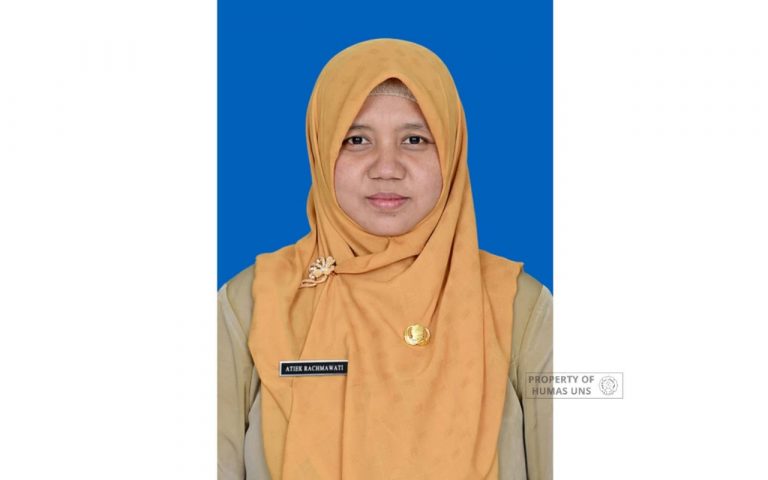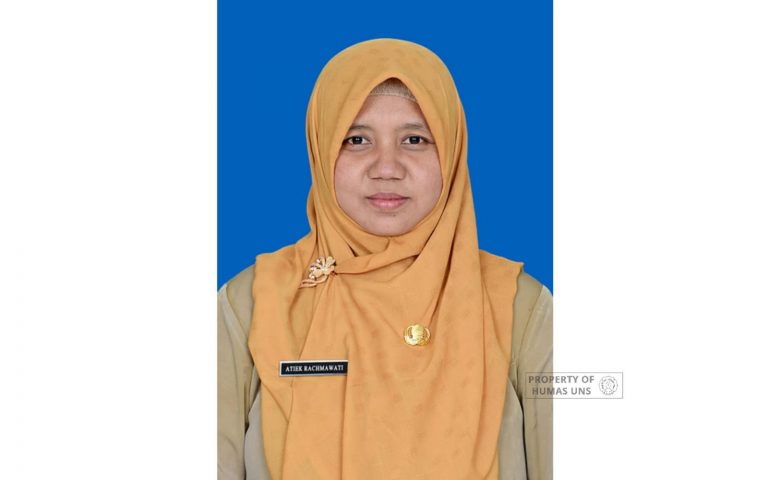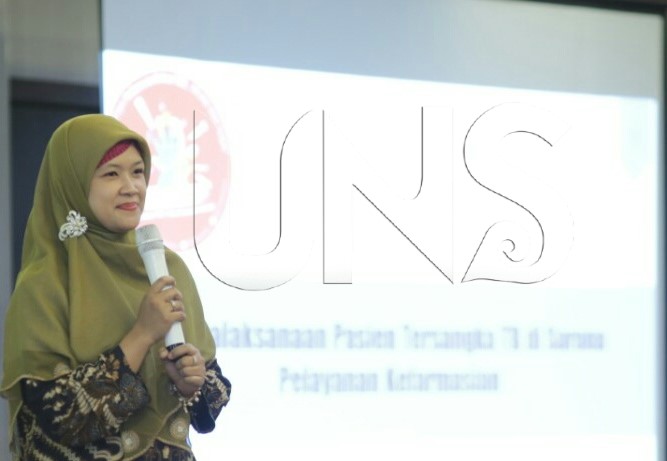
UNS – Having a big role in the community in the Covid-19 handling and prevention strategy in the community, the apothecary is one of the businesses that need to maintain their operation amid the pandemic. However, entering the New Normal era, apothecary needs a different strategy and searching for a new opportunity. This is conveyed by Yeni Farida S.Farm., M.Sc., Apt as Faculty member of Pharmacy Program Faculty of Mathematics and Natural Science (FMIPA) Universitas Sebelas Maret (UNS) Surakarta. In her opinion, tele pharmacy (long-distance pharmacy) based on an online application can become an alternative and large opportunity for the pharmacists and pharmacies in the new normal.
“In the new normal, the community is accustomed to the limitation of direct interaction implemented previously. Thus, services based on the online application have high potential to be implemented,” Yeni explained in the written notes, Tuesday (23/6/2020).
Yeni added that through this service, apothecary can implement Covid-19 health protocol while improving their business because this business is regulated through special standard in Minister of Health Decree (Permenkes) Number 73 of 2016 concerning Pharmaceutical Standard in Apothecary. The decree explained that apothecary services do not only focus on the product but also patients. Pharmacists must prioritize services with the principle of rational treatment and prevent medication errors to ensure patient safety. The implementation of this regulation is providing information on medicines, foods, beverages, and activities, that should be avoided or performed when consuming certain medicine, counselling, monitoring patient compliance and its therapeutic effect. This certainly requires the interaction of the pharmacist with the patient.
“The necessity of this interaction presents a challenge for pharmacists when entering the new normal period, where the community is freer to move and allows an increase in pharmacy visitors/patients. So online application-based services can be an alternative,” Yeni stated.
This service can be implemented for prescription or non-prescription or self-medication drugs, in which pharmacists can communicate directly with the patient. One of the examples is, currently, the National Agency of Drug and Food Control (Badan Pengawas Obat dan Makanan – BPOM) has issued Regulation Number 8 of 2020 concerning Supervision of Medicines and Foods Circulated Online. This regulation describes that online medicine service can be conducted through electronic system owned by a pharmacy or those provided by Electronic Pharmacy System Provider (Penyelenggara Sistem Elektronik Farmasi – PSEF).
The drugs that can be distributed via online method are free, limited free and hard drugs, traditional medicines, and health supplements as for hard drugs are only given based on a doctor’s prescription that is electronically written according to applicable regulations or by uploading an authentic written prescription that can be accounted for.
“The medicines can be sent directly to the patients by the pharmacy or through third party service. They must guarantee the quality and safety of the drugs, providing information for the product, and the direction of use, the drug must be put in a closed container and guaranteed confidentiality and must be ensured that the drugs reach its destination,” she added.
The pharmacy and the third-party delivery service must document the handover process to the patient and make an archive all electronic transaction that can be traced up to five years back. In this case, the original prescription must be submitted at the time of delivery of the drug. Yeni also added that government support as a policymaker is needed in facing the New Normal. For example, through the issuance of Circular Number 2020 concerning Recovery of Trade Activities undertaken during the Coronavirus Disease (Covid-19) and New Normal from the Minister of Trade of the Republic of Indonesia. Humas UNS/Kaffa/Dwi