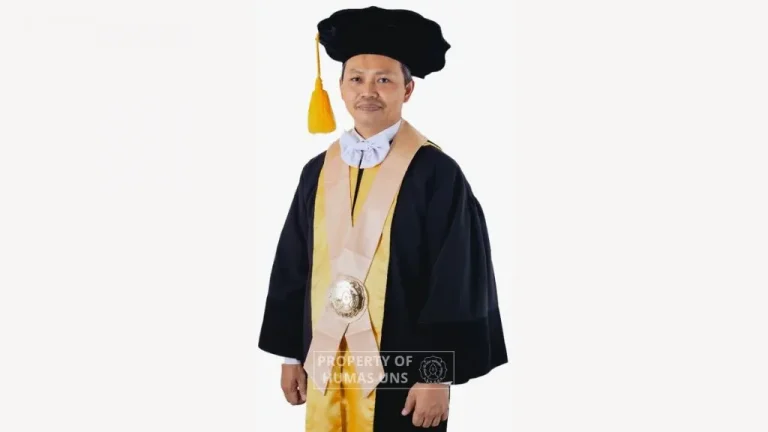
UNS — Two professors from Universitas Sebelas Maret (UNS) Surakarta, Prof. Dr. Sunny Ummul Firdaus, S.H., M.H., and Prof. Dr. Siswandari, M.Stat., emphasized the crucial role of the academic community—particularly professors—in safeguarding national integrity and preserving the identity of the nation.
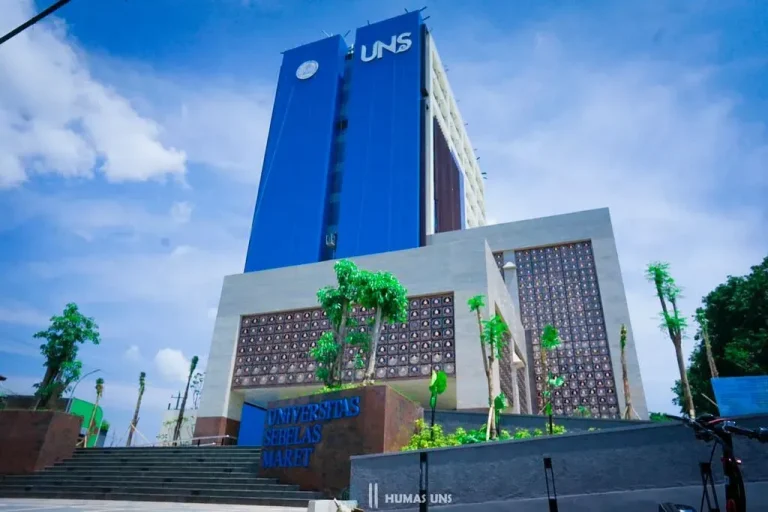
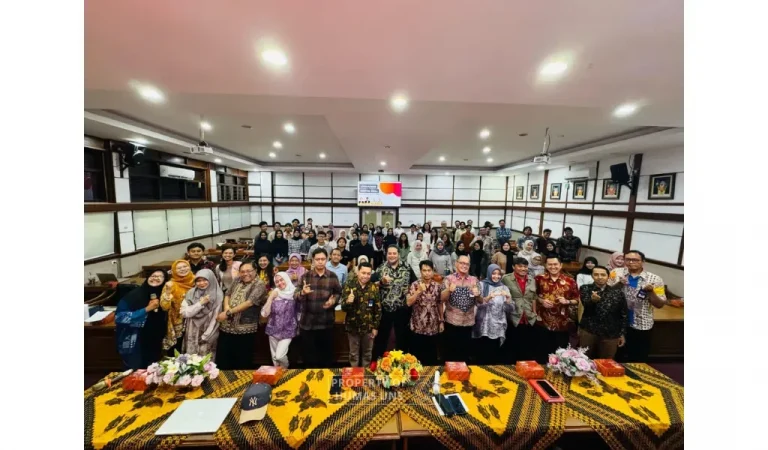
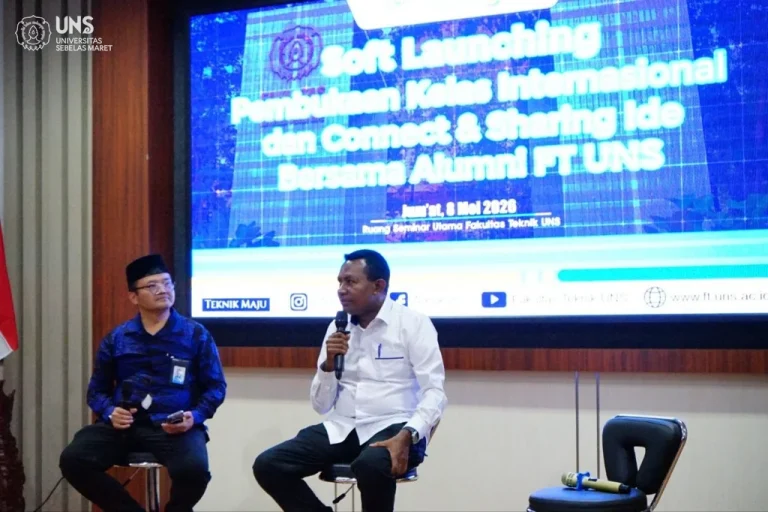
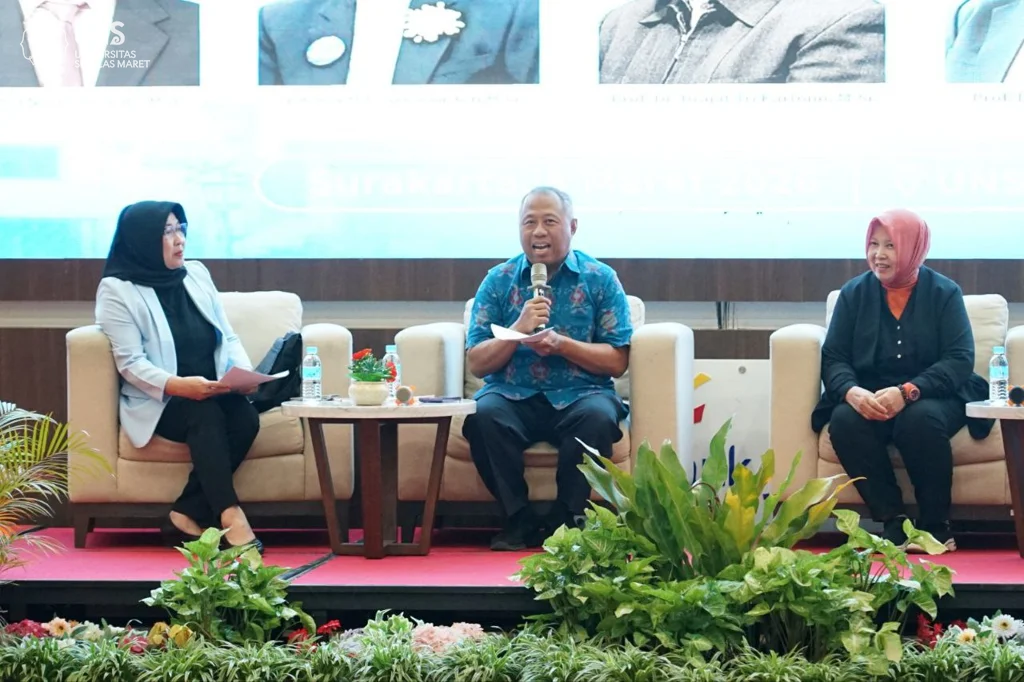
Their views were delivered during a Focus Group Discussion (FGD) titled “Strengthening Ethics, National Identity, and Civilization: The Strategic Role of Professors in Safeguarding Indonesia’s Integrity”, organized by the UNS Professorial Council through Commission II in collaboration with the People’s Consultative Assembly of the Republic of Indonesia (MPR RI). The event took place at Ki Hadjar Dewantara Tower, UNS, on Thursday (5/3/2026).
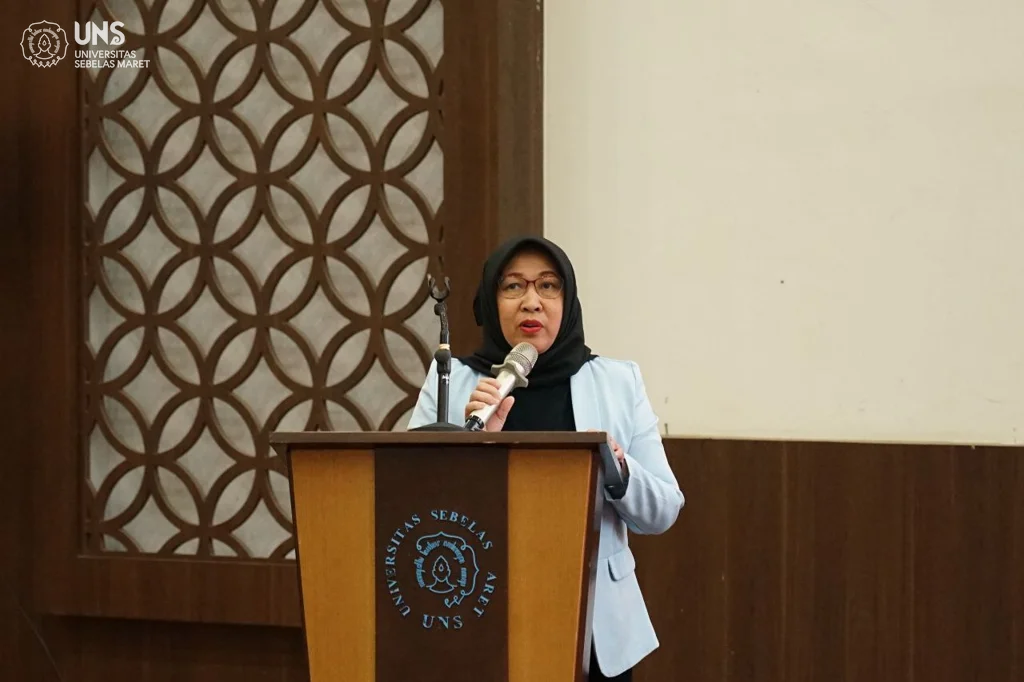
In her presentation, Professor of Constitutional Law at UNS, Prof. Sunny Ummul Firdaus, explained that discussions about Indonesia’s future often focus primarily on economic growth, infrastructure development, and political stability. However, she stressed that there is a much more fundamental issue that must not be overlooked: national identity.
She stated that a nation may progress materially, but without a strong identity, it risks losing both its historical direction and moral orientation. In the Indonesian context, this constitutional identity is clearly formulated through Pancasila and the Preamble of the 1945 Constitution.
“Pancasila integrates the values of religiosity, humanity, democracy, unity, and social justice as the foundation of national life. Meanwhile, the Preamble of the 1945 Constitution provides the moral direction of the state through four main objectives: protecting all Indonesian people, advancing public welfare, educating the nation, and contributing to world peace,” explained Prof. Sunny, who also serves as Chair of Commission II of the UNS Professorial Council.
According to her, this formulation confirms that the Republic of Indonesia was designed not merely as an administrative state, but as a civilizational project. The state functions not only to regulate power, but also to uphold moral values in public life.
However, she noted that contemporary political realities still show a gap between constitutional norms and political practice. Democracy is often reduced to a five-year electoral mechanism, whereas within Indonesia’s constitutional framework, democracy carries a broader meaning—one that is civilized and oriented toward social justice.
Prof. Sunny also highlighted new challenges in the digital era, particularly the spread of political disinformation, identity polarization, and the dominance of economic interests in digital media, all of which have the potential to damage the quality of public discourse.
“If the public sphere is unhealthy, democracy risks losing its rational legitimacy,” she stated.
In this context, she emphasized the importance of the intellectual community. Universities, she argued, should not only serve as centers of knowledge production, but also as guardians of morality in public discourse. Professors and intellectuals hold a strategic position as a moral force in preserving constitutional values.
Furthermore, Prof. Sunny outlined several strategic steps to strengthen national identity. First, constitutional education and Pancasila education must be strengthened substantively, rather than merely treated as formal curriculum requirements. Constitutional education should foster critical awareness regarding the relationship between constitutional values, public ethics, and democratic practices.
Second, strengthening public ethics systems within state institutions through mechanisms for monitoring conflicts of interest, ensuring transparency of power, and maintaining the integrity of public officials.
Third, building a deliberative public sphere in the digital era so that digital platforms do not merely become arenas of propaganda, but spaces for rational public dialogue.
Fourth, strengthening the integrity of political and bureaucratic elites as a priority in institutional reform.
Fifth, the academic community must play a more active role in safeguarding national discourse by ensuring that universities remain spaces that protect rationality, freedom of thought, and intellectual integrity.
“In the end, national identity is determined not only by constitutional texts, but by how far constitutional values are truly lived out in public life,” she concluded.
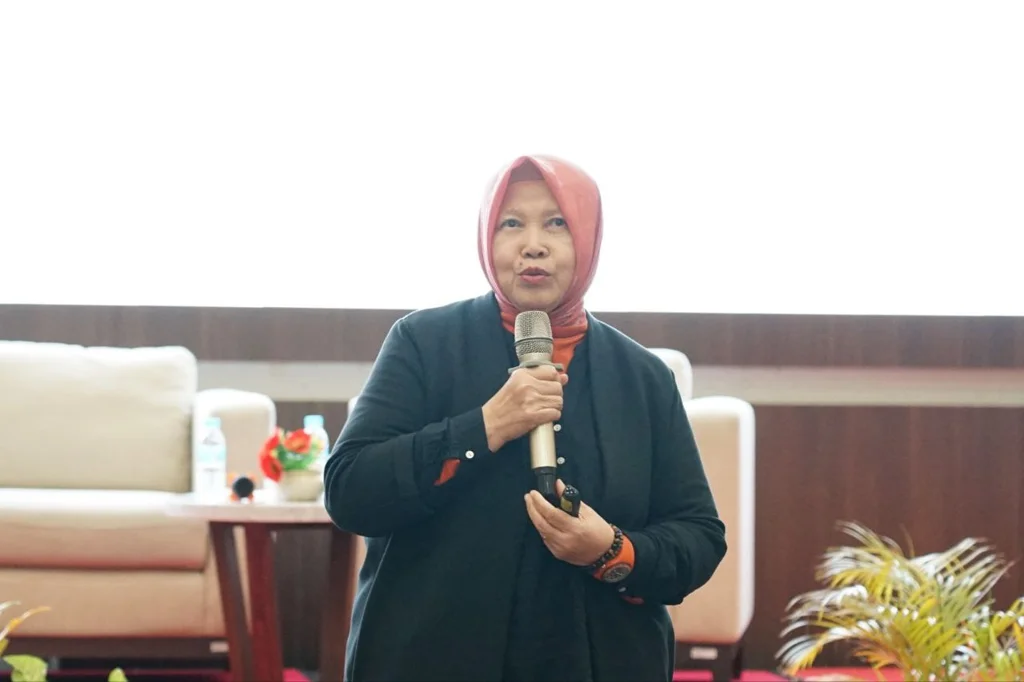
Meanwhile, Professor from the Faculty of Teacher Training and Education (FKIP) UNS, Prof. Dr. Siswandari, M.Stat., delivered a presentation titled “Professors as Moral Force in Civilizational Development.”
She explained that professors have a strategic role as a moral force in national life. The concept of moral force refers to positive influence that emerges from actions, thoughts, and attitudes grounded in divine values, ethics, integrity, and social responsibility.
From this perspective, civilization building is understood as a long-term process that depends not only on material progress, but also on the quality of human beings and the moral values that accompany them. This process must be supported by quality education, character development, strong academic traditions, and national unity.
Several strategic efforts needed to build civilization include improving public literacy, mastering science and technology, strengthening economic independence—particularly in the food sector—and instilling moral values that are humanistic and oriented toward social justice.
She also emphasized the importance of intellectual social responsibility attached to academics. This responsibility represents the moral obligation of intellectuals to use their knowledge, expertise, and rationality for public interest, social justice, and the moral development of the nation.
Through this role, professors and the academic community are expected to become guardians of values, guides for civilizational direction, and drivers of social transformation toward a more civilized and just Indonesia.
HUMAS UNS