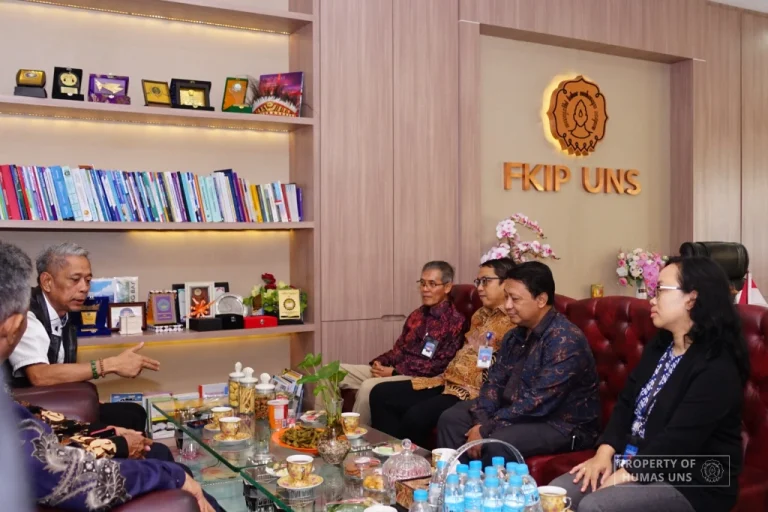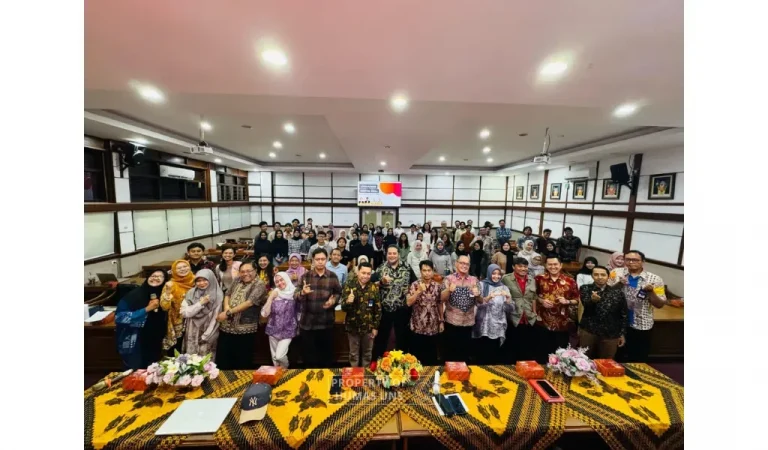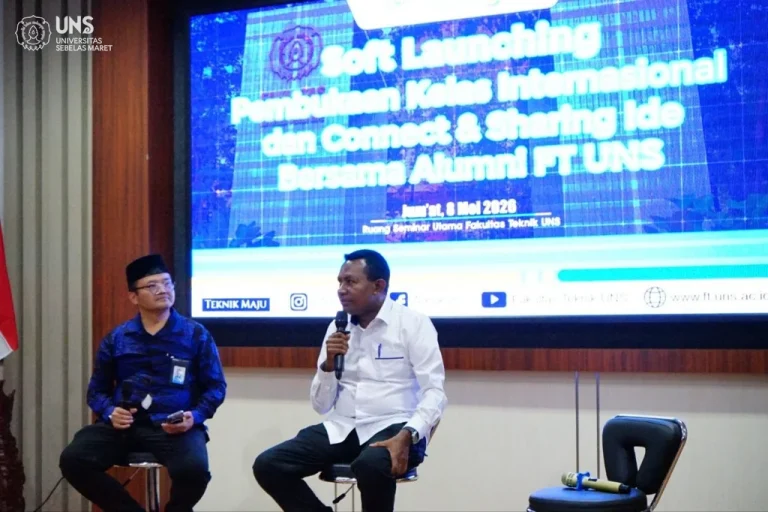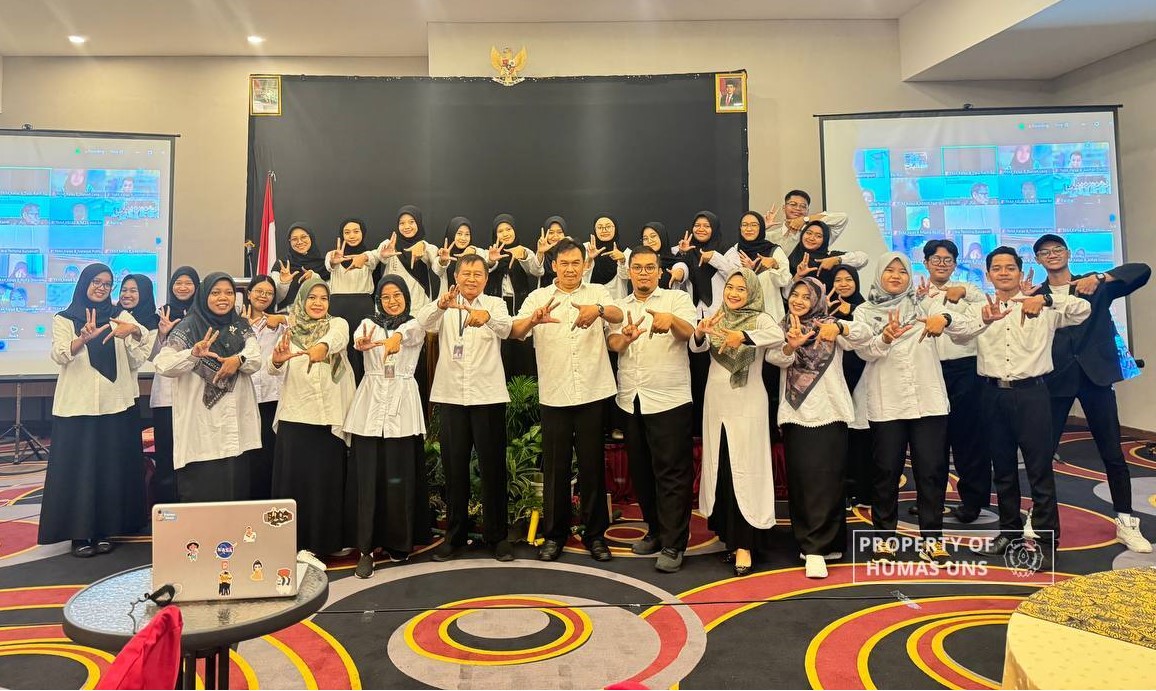
UNS – The Guidance and Counseling (BK) Study Program of the Faculty of Teacher Training and Education (FKIP) at Universitas Sebelas Maret (UNS) Surakarta held a dissemination event for the development of a culturally-based school counseling model focused on Indonesian local mental health values. The event took place on Monday (16/12/2024), at the Wijaya Kusuma Room, 9th Floor, Grand H.A.P Hotel Surakarta.
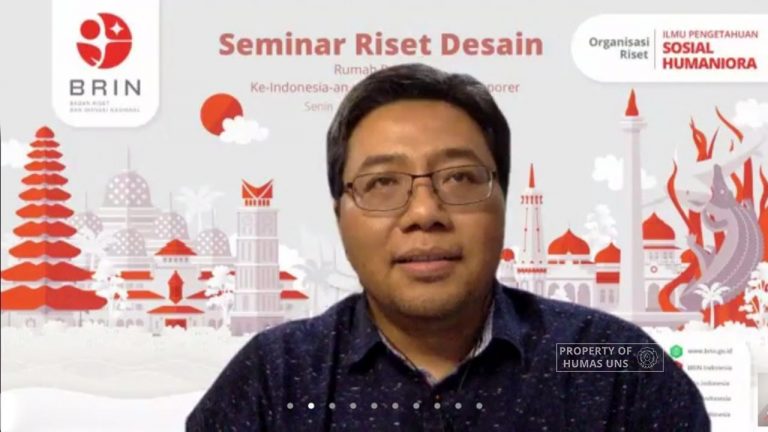
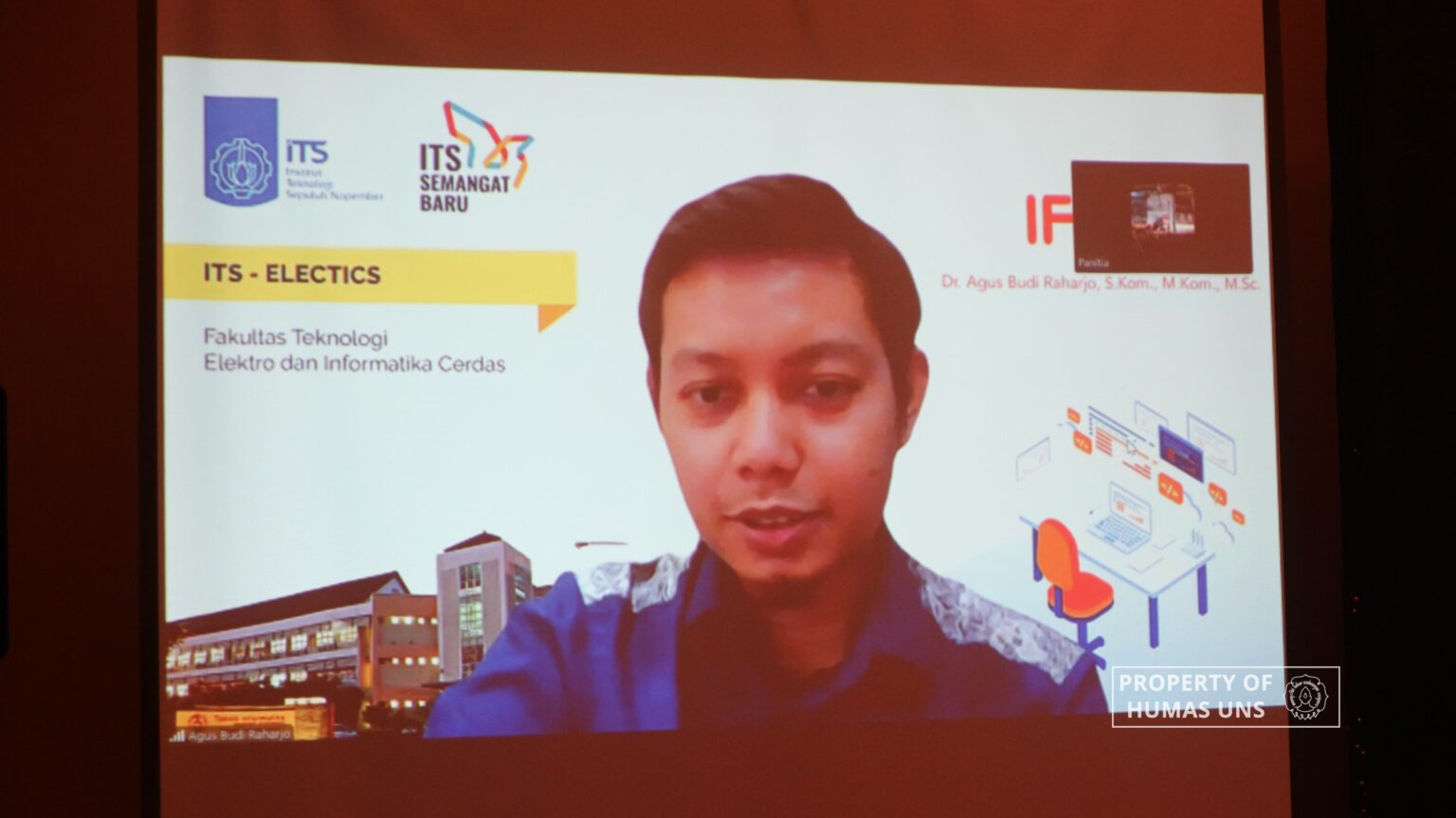
This counseling model stems from research under the Indonesian Collaborative Research scheme, led by Prof. Dr. M. Ramli, M.A. from Universitas Negeri Malang as the host institution, with UNS represented by Prof. Dr. Asrowi, M.Pd. as the first partner, and Institut Teknologi Sepuluh Nopember (ITS) Surabaya represented by Dr. Agus Budi Raharjo, S. Kom, M.Kom. as the second partner.
The research focuses on leveraging local cultural values to manage mental health in East and Central Java. In East Java, the cultural values of Madura were adopted, while in Central Java, the philosophical values of Suryomentaram served as the foundation. These values are integrated into a digital platform for implementation.
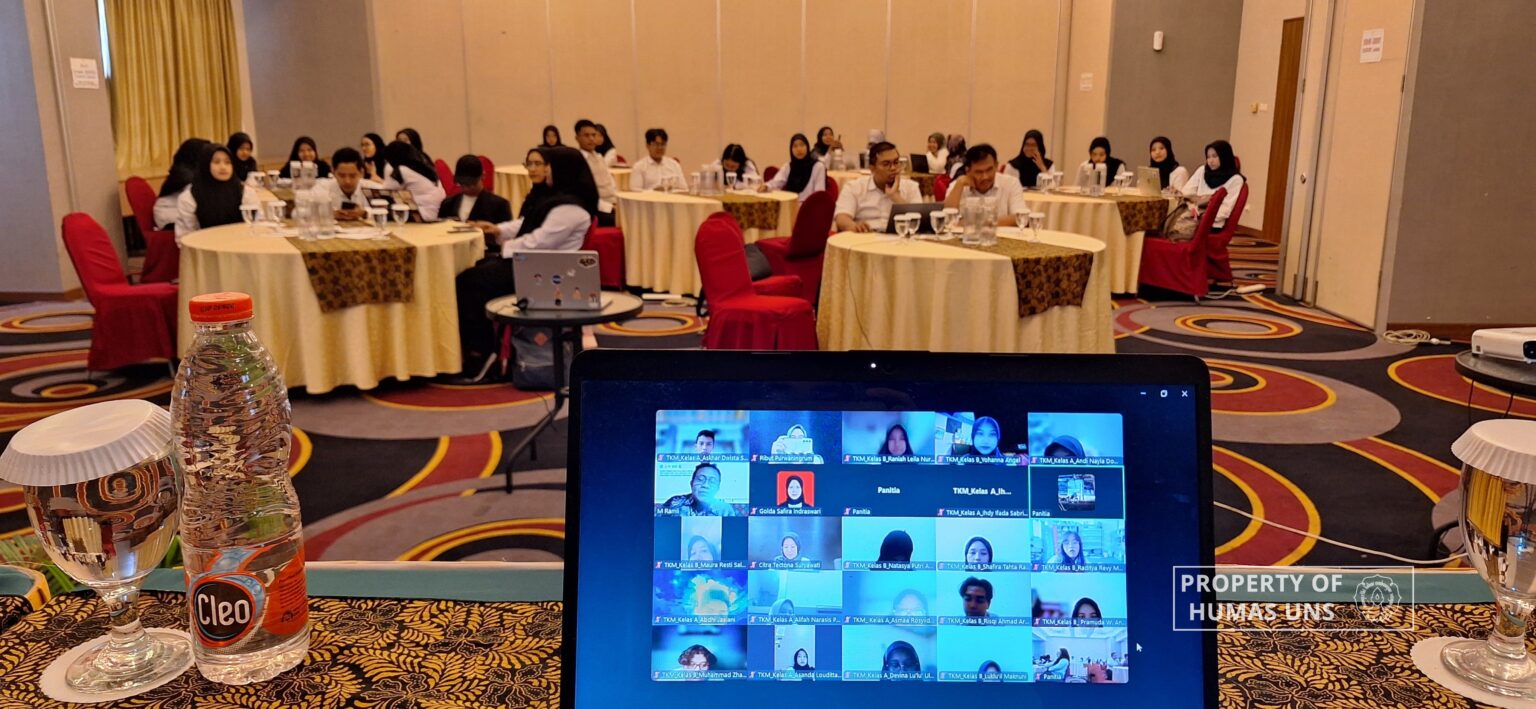
The hybrid event involved 140 participants, including research team members, BK lecturers, students, and alumni, both online and on-site.
Dr. Naharus Surur, M.Pd., Head of the BK Study Program, opened the event, emphasizing the importance of collaboration in mental health management within the BK field. He stated, “Developing a mental health counseling model that resonates well with students and teachers is crucial and deserves to be appreciated and further disseminated.”
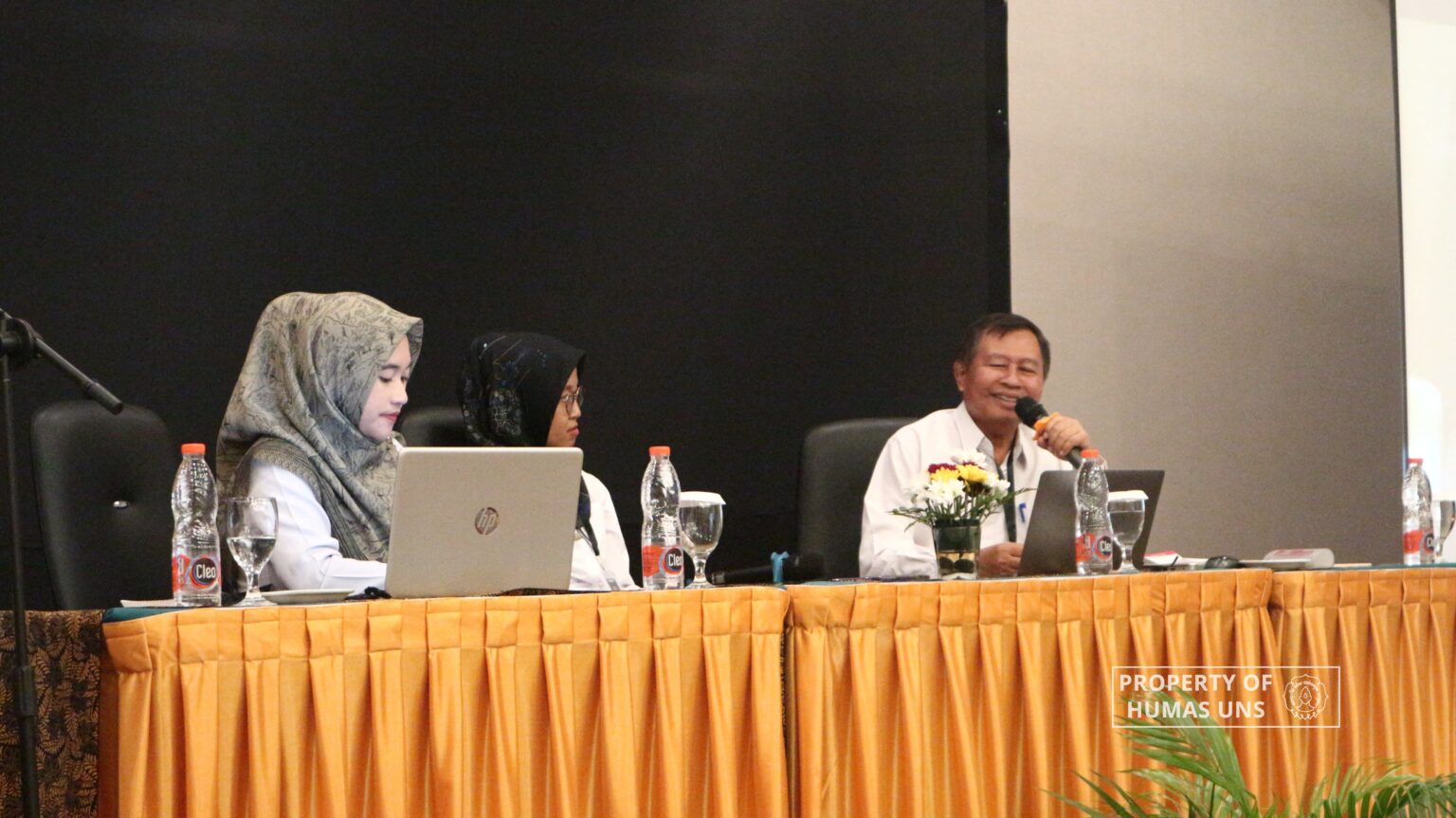
Prof. Dr. M. Ramli, M.A., highlighted the core research ideas during the dissemination. “This research reflects our interest in utilizing Indonesia’s diverse cultures as variables to promote mental health. We incorporated the local cultures of Madura and Central Java, particularly the Suryomentaram philosophy, as the foundation for developing a counseling model. These will serve as pilot projects in these regions,” he explained.
Prof. Dr. Asrowi, M.Pd., elaborated on the cultural perspective in mental health, stating, “Culture influences mental health positively and negatively. By integrating cultural values into counseling, mental health can be effectively managed.”
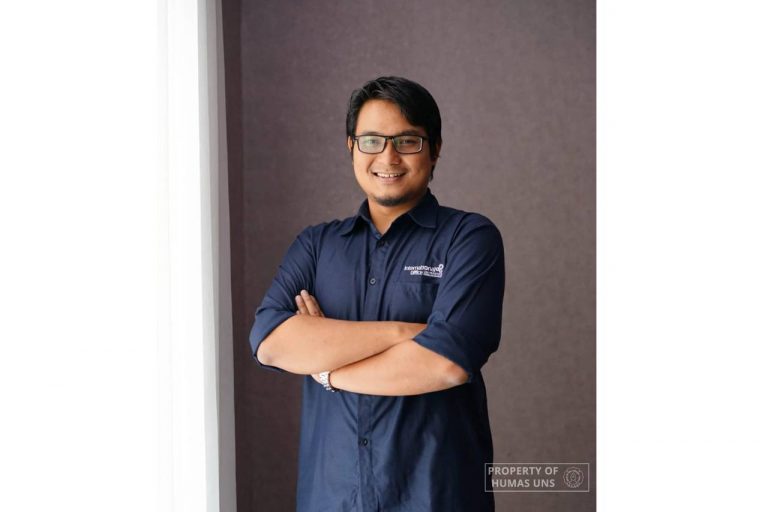
Dr. Agus Budi Raharjo, S.Kom., M.Kom., highlighted the role of technology in providing digital platforms for school counseling services. “Although rooted in local cultural values, today’s students are more attuned to technology. Thus, an online counseling platform can allow them to assess their mental health, receive counseling, and plan follow-up actions,” he added.
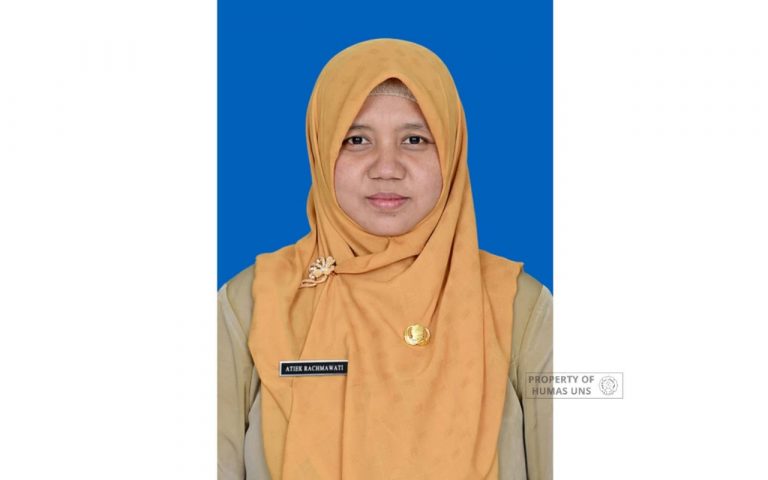
In conclusion, Dr. Ribut Purwaningrum, M.Pd., presented the development of the Central Java culturally based mental health counseling model. “Our collaborative research employs Suryomentaram’s values as the philosophical foundation for developing a mental health counseling model to improve individual well-being in Central Java, particularly among school students. We hope this dissemination will introduce a culturally-based counseling model adaptable to schools, aligning with local cultural values and ensuring practicality and goal orientation,” she said.
HUMAS UNS