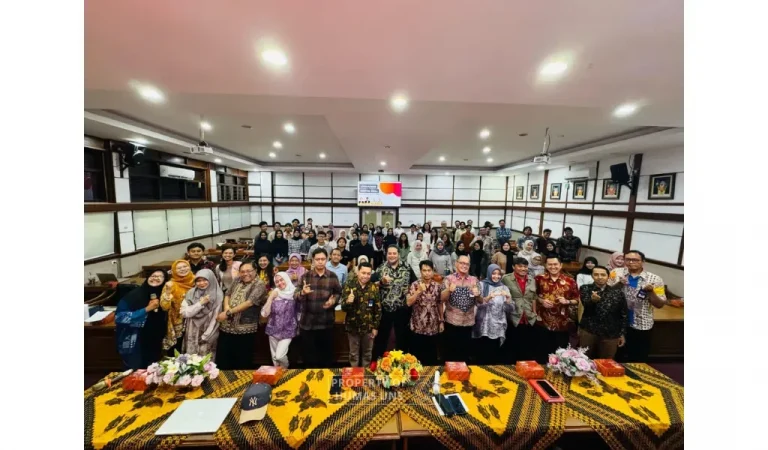
UNS – Universitas Sebelas Maret (UNS) Surakarta has deployed a team to participate in a humanitarian project in Jenawi District, Karanganyar Regency. The team consists of students from the Undergraduate Midwifery Program in the Faculty of Medicine (FK), including Yesika Cahya Septiana, Sugiyani, Deandra Sherly, Wahyu Dewi, Salma Ari, Shelly Anggia, Khairunnisa, Annisa Yusri, Nasywa, and Ilma, along with the Coordinator of the Merdeka Belajar Kampus Merdeka (MBKM) Humanitarian Project, Dr. Revi Gama Hatta Novika, S.ST., M.Kes.
The Jenawi District humanitarian project focuses on providing support to women of reproductive age and raising awareness about the importance of routine cervical cancer screenings under the theme “Women’s Reproductive Health Promotion and IVA (Visual Inspection with Acetic Acid) Awareness.” Cervical cancer is a leading cause of fatality among women. The International Agency for Research on Cancer (IARC) estimated 408.661 new cases and 242.988 deaths in Indonesia in 2022. Moreover, IARC predicts a 77 percent increase in cancer cases by 2050.
The team conducted regular IVA screenings, a simple and quick method for detecting pathological conditions in women’s reproductive organs. The project ran from March to June 2024, in collaboration with the Jenawi Health Center (Puskesmas), under the coordination of the local midwife, Ambar.
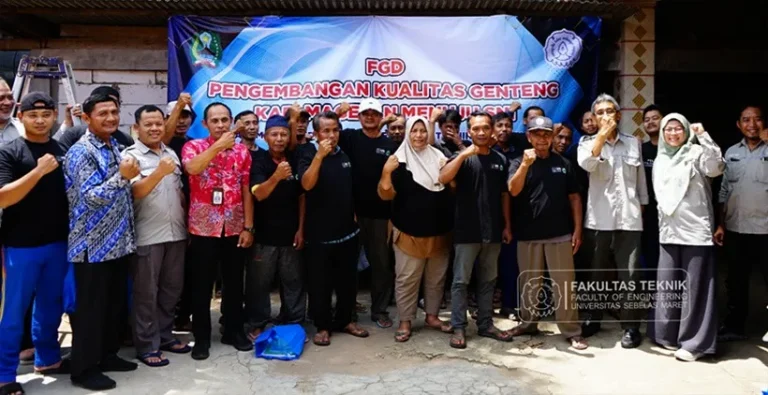
The initial phase of the project involved providing regular education to women of reproductive age in Jenawi District, Karanganyar Regency. This was done biweekly for two months. Following the educational phase, registration for IVA screenings was opened.

“In the beginning, the team visited Jenawi District every two weeks for two months to provide regular education. Then, in the following month, we opened registration for IVA screenings. Registration was necessary because the students had to bring equipment and supplies from Solo. The IVA screenings were conducted in collaboration between students, midwives, and doctors,” Dr. Revi explained.
The project’s goals are divided into two areas: academic and community service. The team plans to produce an academic journal, which is currently in progress, and raise awareness about the importance of IVA screenings among the community, especially in Jenawi District, Karanganyar Regency.
“The academic goal of this activity is to produce a scientific journal. As for community service, according to the local midwife in Jenawi, the community was initially hesitant about IVA screenings. When the health center held IVA screenings, fewer than five people would usually participate. However, after regular outreach by the students, at least 25 people consistently registered for each screening session. This indicates that the support program has been successful, as there has been an increase in awareness among women about the importance of IVA screenings as a preventive measure for reproductive health issues,” Dr. Revi added.
As the Coordinator of the MBKM Humanitarian Project, Dr. Revi encouraged students to remain enthusiastic about applying their classroom knowledge to the community, particularly through humanitarian projects. These projects can be proposed through the university’s MBKM grant, which is offered annually.
HUMAS UNS
Reporter: Annisa Fakhira
Editor: Dwi Hastuti