UNS – The COVID-19 pandemic brings a large impact on Indonesian people, especially laborers. Many workers have to lose their jobs because the companies they worked for have to perform layoffs (PHK) due to certain considerations. It is emergency, in certain areas that have implemented Large Scale Social Distancing (PSBB), if companies still run their activities, they will be fined and exposed to other forms sanction, invoked permit, and other sanctions.
To help the community affected by layoffs and have different skills, the government has launched Kartu Pra Kerja Program in early April 2020, which develop a partnership with partners to provide online training. The large number of online training provided by this program is very beneficial for the community. In this case, the government has taken a role by not only providing training but also monitor the outcomes so that the human resources have the competence that equal to foreign workers.
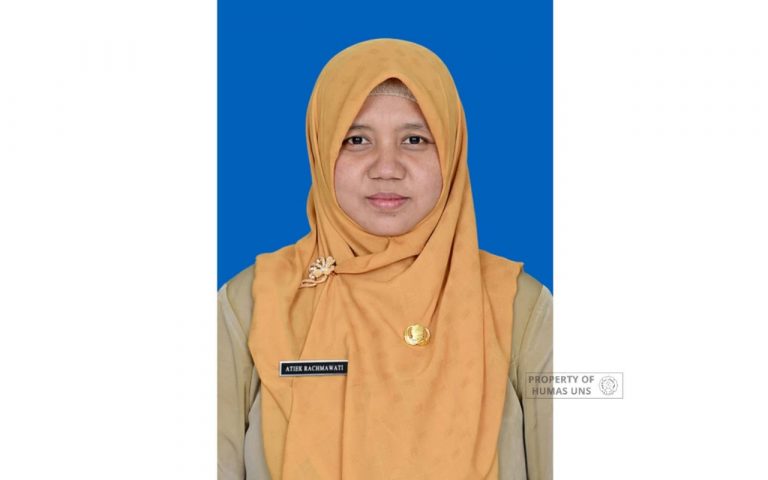
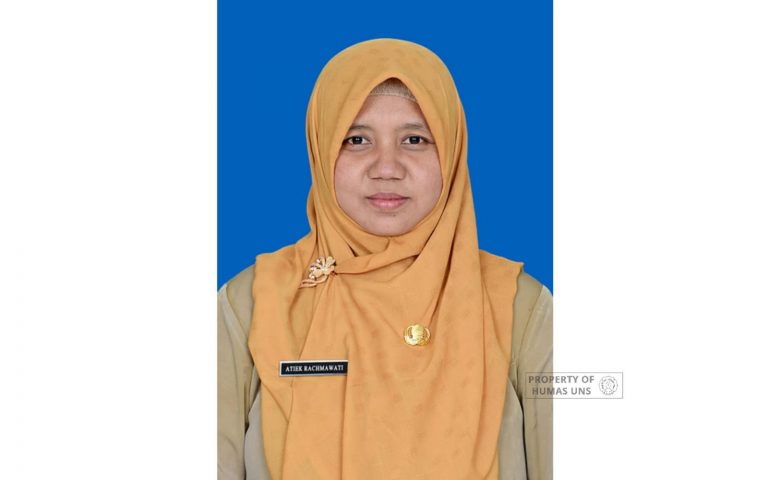
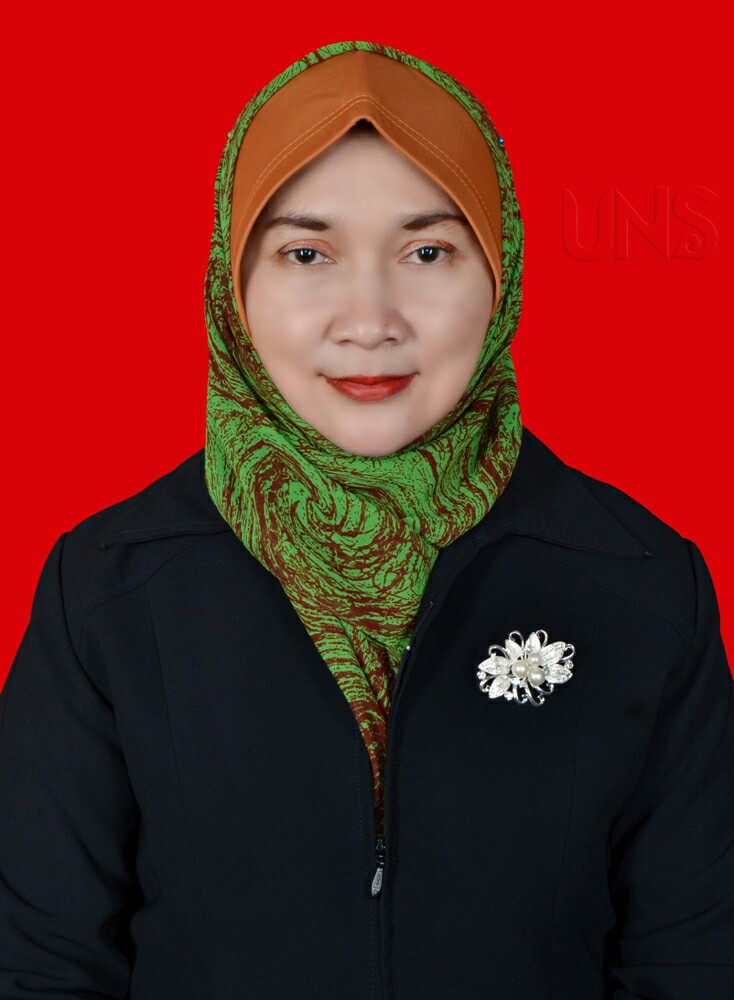
This is conveyed by the Faculty of Economics and Business (FEB) Universitas Sebelas Maret (UNS) Surakarta economist, Dr. Izza Mafruhah. “In this program, the government provides Rp 4,150,000 financial aids, with details, Rp. 1,000,000 for training fees with online training partners, Rp. 2,400,000 for post-completion incentive provided each month, Rp. 600,000 for 4 months, and Rp. 150,000 for evaluation incentive, then after the training there are three evaluations,” explained Dr. Izza, Thursday (7/5/2020).
Further, Dr. Izza also explained about kartu pra kerja provided by the government. “Kartu pra kerja is provided by the government for 5.6 million workers with around Rp. 20 trillion funds and will be implemented in stages. In the first stage, from 8 million applicants, 926,790 are verified and passed and currently, the second stage is opened,” added Dr. Izza.
Workers affected by the COVID-19 can access Kartu Pra Kerja program on its official website http://www.prakerja.go.id/. Each village taskforce is also equipped to assist people who have difficulty registering for the program.
On the other side, Dr. Izza who is currently serving as Vice Dean for Academic Affairs FEB UNS also explained that food security in the neighborhood is also an important part when many people lost their job and cannot perform any activity. She also conveyed the result of her online meeting with the Ministry of Village on the food security that has to be prepared from the village. Village funds can be reassigned for COVID-19 handling in each village, for example, to establish food barns. In this case, the village government should not work alone, the community needs to take an active role in the development of the food barn. Dr. Izza also reminded that the community keeps their awareness of their surrounding neighborhood.
“When a neighbor passed away due to hunger or lack of food, the most guilty one is their neighbor, why they are not aware. Social sensitivity must be built from the ground up, starting from oneself, starting together and starting now,” said Dr. Izza.
At this time, having an optimistic attitude and work together shoulder to shoulder are needed.
“Insyaallah, all problems will be solved swiftly and most importantly is not blaming, this is a non-natural disaster and people around the world also experience it, let’s rise together,” she concluded. Humas UNS/Zalfaa