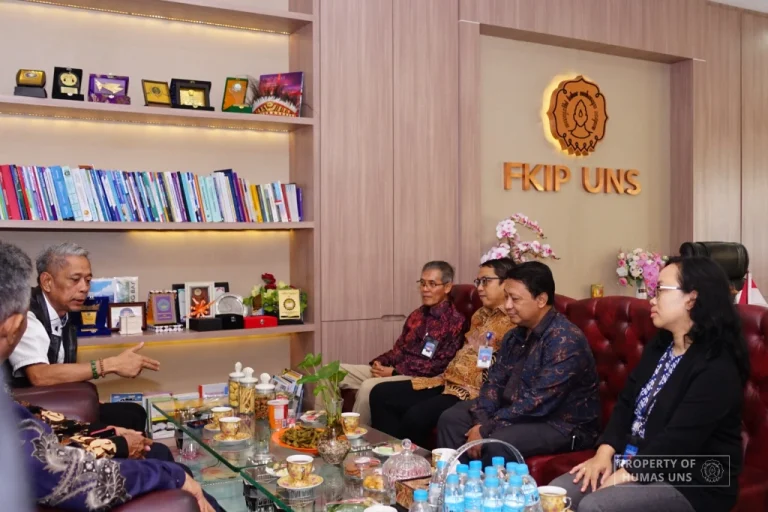
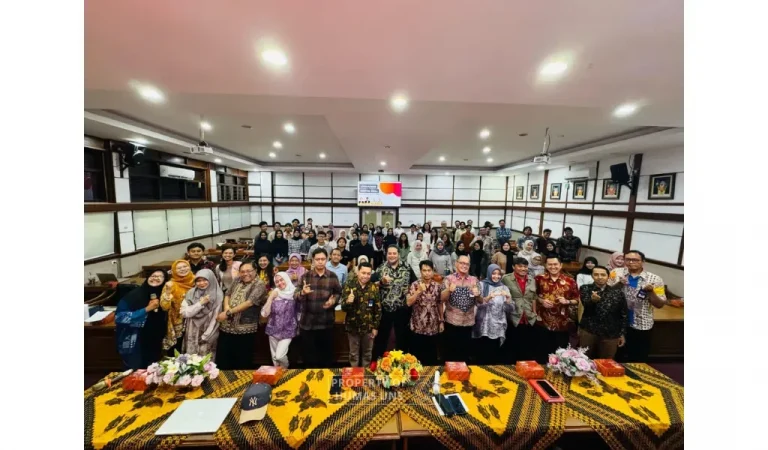
UNS – Universitas Sebelas Maret (UNS) Hospital held a “Dialog Sehat” program to commemorate World Bipolar Day. The event carried the theme “Bipolar Disorder and Childhood Trauma: Understanding the Hidden Connection.” dr. Lisetiawati, Sp.K.J., a psychiatrist from UNS Hospital, served as the speaker. dr. Adhinda Sekar Ayu hosted the discussion and streamed it live on UNS Hospital’s YouTube channel.
What is Bipolar Disorder?
Bipolar disorder is a mental health condition characterized by extreme mood swings. These shifts include manic episodes, marked by excessive energy, impulsive behavior, and euphoria. Depressive episodes, on the other hand, involve deep sadness, loss of interest, and hopelessness. dr. Lisetiawati described bipolar disorder as having two opposite poles. One side represents immense joy, while the other reflects profound sadness.
Prevalence and Risk Factors
Bipolar disorder is common, particularly among adolescents. Several factors contribute to its development, including age, genetics, and environmental influences. Adolescents are more vulnerable due to biological and emotional changes. Genetics also plays a crucial role, as the risk increases significantly when one or both parents have the condition. Environmental stressors, such as traumatic experiences, can also trigger symptoms.
The Impact of Childhood Trauma
A history of childhood trauma significantly increases the likelihood of developing bipolar disorder. Traumatic experiences can negatively affect brain development. These include physical, emotional, or sexual abuse, neglect, exposure to domestic violence, and bullying. The hippocampus and amygdala regulate emotions and stress responses. They may become more sensitive to stress, making individuals more vulnerable to bipolar disorder. Emotional abuse is the type of trauma most commonly associated with this condition.


Recognizing Bipolar Disorder Symptoms
Identifying the symptoms of bipolar disorder is crucial for early intervention. Manic episodes bring excessive euphoria, heightened energy, and a decreased need for sleep. They also lead to impulsive behaviors and, in some cases, psychotic symptoms like hallucinations and delusions of grandeur. Depressive episodes bring persistent sadness, fatigue, and a loss of interest in daily activities. They also cause feelings of worthlessness or guilt, appetite and sleep disturbances, and even suicidal thoughts.
Treatment and Recovery
Bipolar disorder requires long-term management, and a single doctor’s visit is not enough for treatment. Medication, including mood stabilizers and sometimes antidepressants, is essential for controlling symptoms. Psychotherapy also plays a vital role in treatment. Cognitive Behavioral Therapy (CBT) helps individuals manage negative thought patterns, while Dialectical Behavior Therapy (DBT) focuses on emotional regulation. Mindfulness-Based Cognitive Therapy (MBCT) enhances self-awareness, and family therapy strengthens support systems at home.
Family support is crucial in maintaining stability for individuals with bipolar disorder. dr. Lisetiawati emphasized the importance of understanding the condition. She also highlighted that providing consistent emotional support can greatly help patients cope with their symptoms.
Raising Awareness and Reducing Stigma
The “Dialog Sehat” event aimed to educate the public that bipolar disorder is more than just mood swings. With proper understanding and treatment, individuals can lead fulfilling lives. UNS Hospital hopes to reduce stigma and discrimination against individuals with bipolar disorder through awareness programs like this. It also aims to foster a more inclusive and supportive society.
Humas UNS
Reporter: R. P. Adji
Editor: Dwi Hastuti