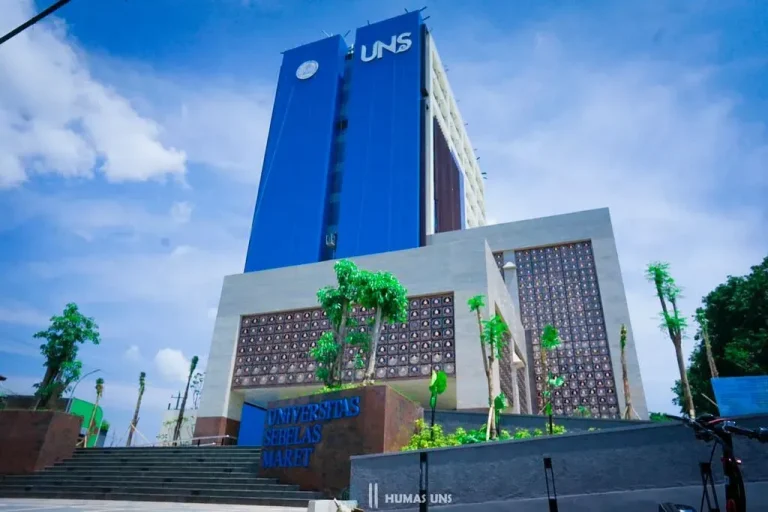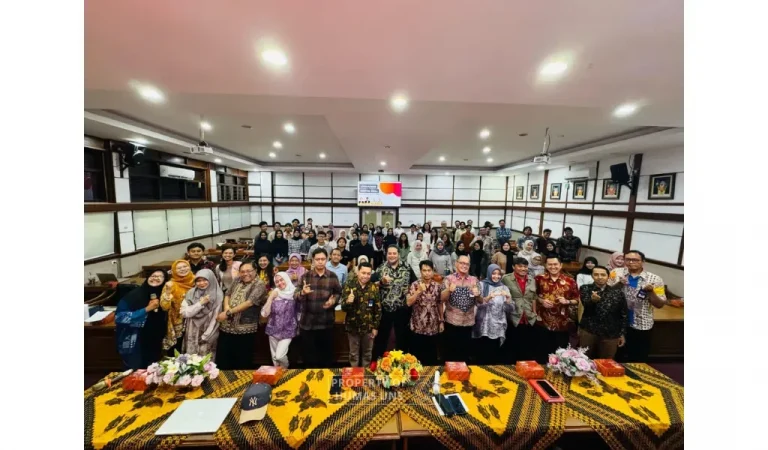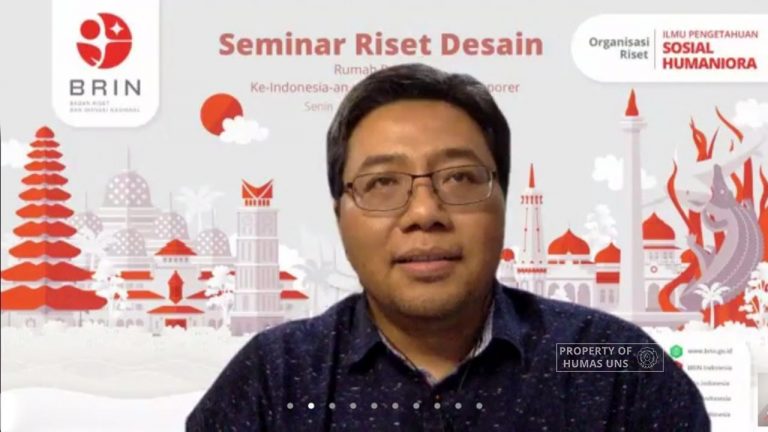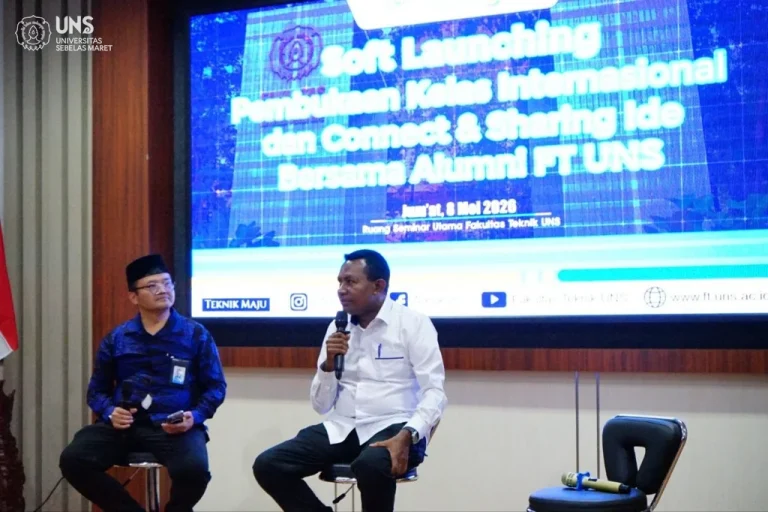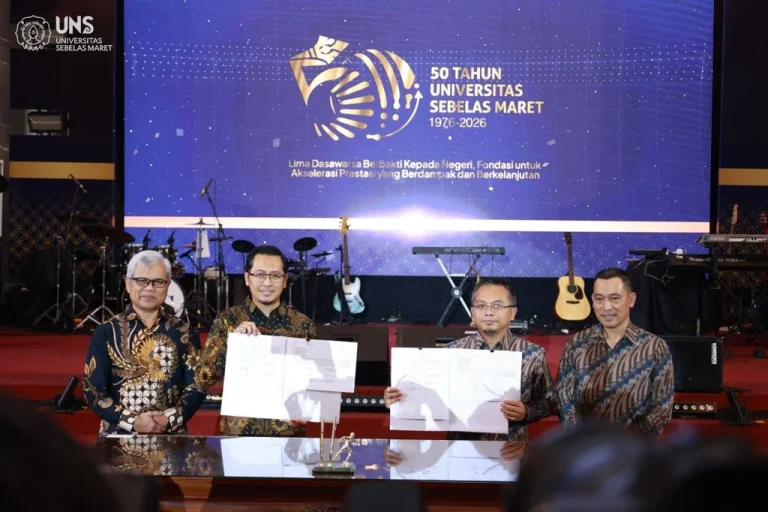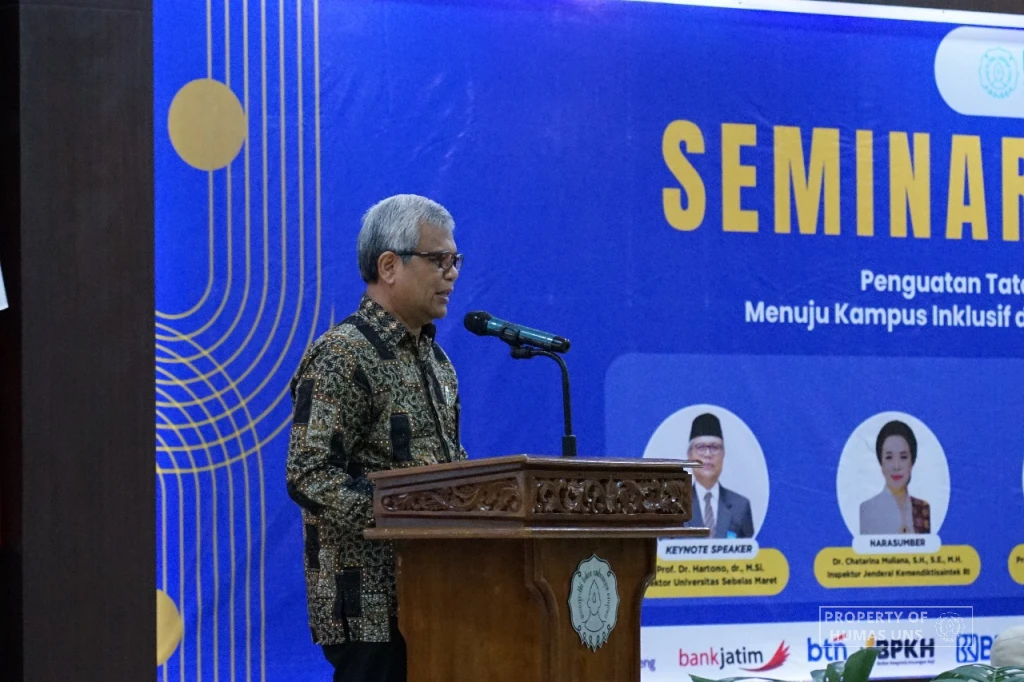
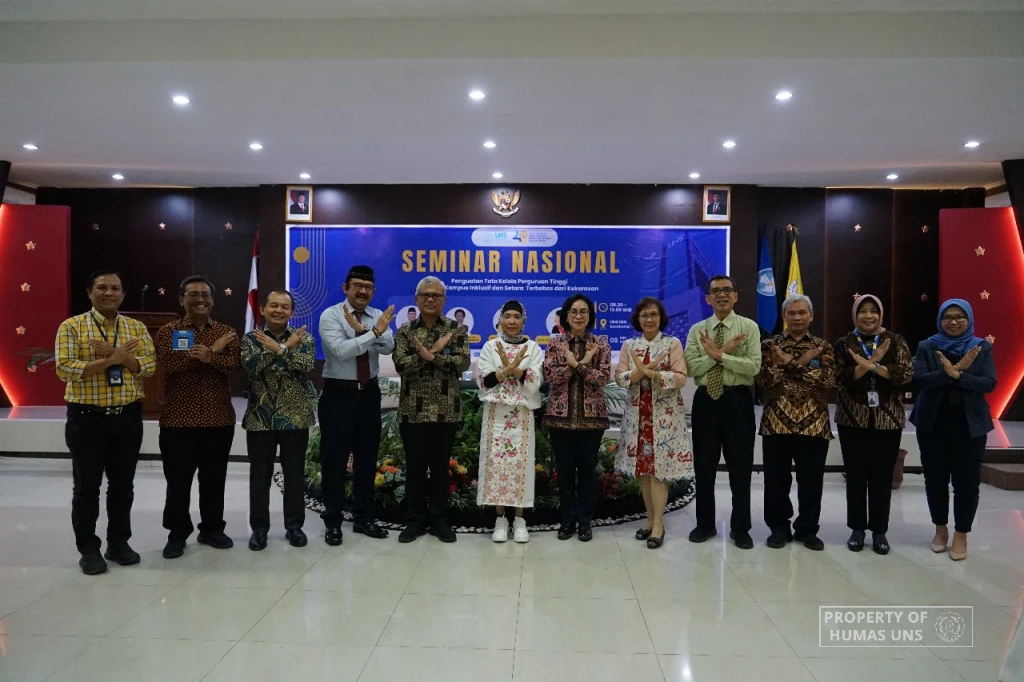
UNS – UNS – Universitas Sebelas Maret (UNS) Surakarta has officially enacted Rector’s Regulation Number 7 of 2025 on the Prevention and Handling of Violence. The university launched the regulation during a national seminar titled “Strengthening Higher Education Governance Towards an Inclusive and Equal Campus Free from Violence.” The seminar took place at the Indraprastha Ballroom, UNS Inn, on Thursday (8/5/2025).
The regulation is effective as of April 21, 2025. It follows the issuance of Regulation of the Minister of Education, Culture, Research, and Technology (Permendiktisaintek) Number 55 of 2024. It concerns the Prevention and Handling of Violence in Higher Education Institutions. UNS Rector, Prof. Dr. Hartono, dr., M.Si., emphasized the university’s strong commitment. The regulation reflects this commitment to fostering a safe, inclusive, and equitable academic environment free from violence. The policy specifically addresses the Prevention and Handling of Violence in Higher Education (PPKPT).
Regulation Details and Scope
“UNS has updated the rector’s regulation to reinforce protection for all campus members. This includes protection from various forms of violence—physical, psychological, sexual, and gender-based. This initiative ensures that the handling procedures are fair, victim-centered, and guarantee a safe academic atmosphere,” Prof. Hartono stated.
The regulation includes 13 chapters and 87 articles. These outline the general provisions, objectives, principles, and targets for implementing violence prevention and handling at UNS. It also defines the types of violence, prevention strategies, handling mechanisms, and administrative sanctions.
This regulation covers various forms of violence. These include physical and psychological violence, bullying, sexual harassment, discrimination, intolerance, and policies with violent elements. Prevention and handling measures will focus on governance strengthening and education. The university will also provide safe, comfortable, and accessible facilities for all campus members.
Task Force and Reporting Mechanisms
To support this initiative, UNS established a Task Force for the Prevention and Handling of Violence (PPK Task Force). It operates directly under the Rector. The Task Force is responsible for preventive efforts, receiving and investigating reports, and recommending follow-up actions. Members of the PPK Task Force include lecturers, educational staff, and students. At least two-thirds of the members are women, and one-third are students.
“UNS recognizes the crucial role of the PPK Task Force as the frontline in protecting victims of violence on campus. Therefore, the university fully commits to strengthening its capacity and sustainability in terms of institutional support, resources, and policy frameworks. We demonstrate our commitment by positioning the Task Force under the direct supervision of the Rector. This ensures effective and efficient operations,” Prof. Hartono added.
The regulation details the handling process. Reporting mechanisms are available through various channels. These include telephone, email, and QR codes on the Task Force’s official social media accounts.
Once someone receives a report, they must begin follow-up actions within three working days. The team must complete the case review and planning phase within seven working days. The team will allocate 30 working days for the investigation stage. Afterward, the Task Force will formulate conclusions and recommendations within seven working days. The Rector must then act on the recommendations within five working days.
Commitment to Non-Discrimination and Fairness
UNS firmly commits to upholding the principles of non-discrimination and gender justice. The university prioritizes victims’ best interests and ensures continuity in students’ education while handling all violence cases. The university strictly prohibits all forms of violence on campus. The university upholds fairness, equality, accountability, and sustainable education as its core values in managing such cases.
The regulation outlines three levels of administrative sanctions: minor, moderate, and severe. Minor sanctions include written warnings and formal apologies. Moderate sanctions for faculty or staff may involve demotion for 12 months. Meanwhile, students may face academic suspension, scholarship revocation, or restriction of certain rights. Severe sanctions include permanent dismissal for faculty, staff, or students, and termination of partnerships for UNS affiliates.
With this regulation in place, UNS aims to set a leading example. The university strives to build an inclusive, equitable, and violence-free campus culture in Indonesia. UNS invites all campus members and partners to work together in fostering a safe and welcoming academic environment for all. Humas UNS