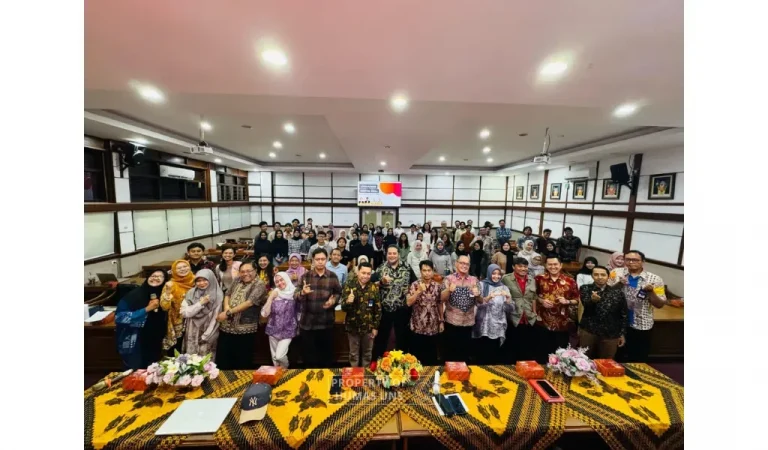
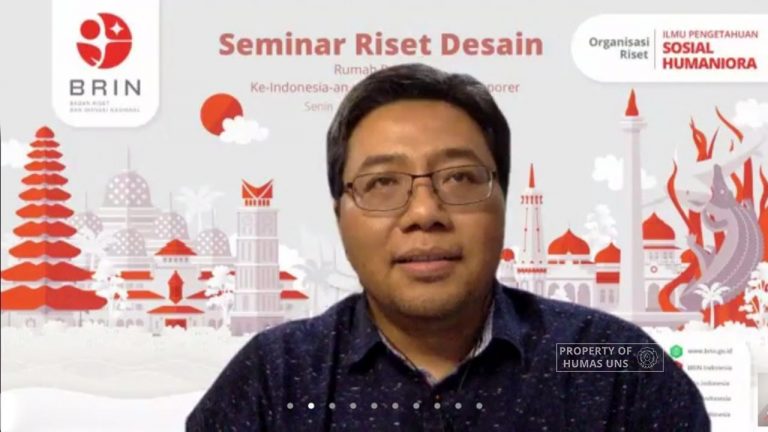
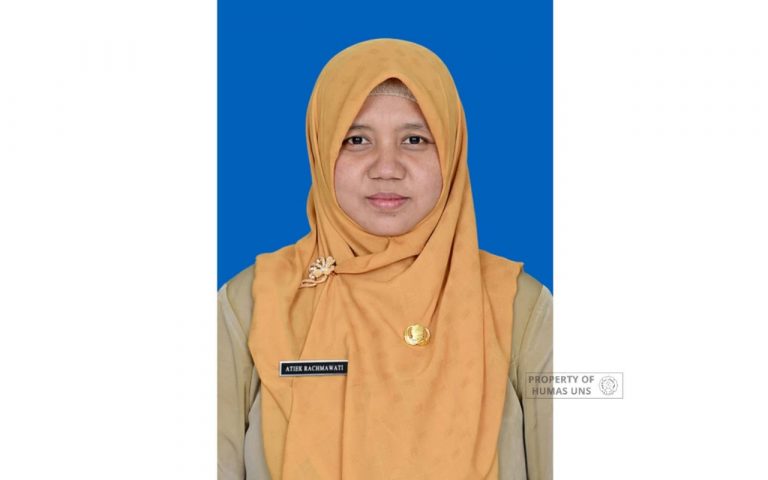
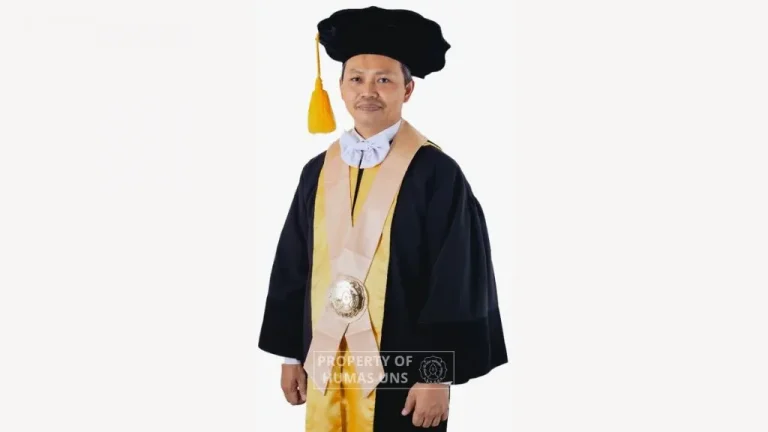
UNS – Universitas Sebelas Maret (UNS) played a crucial role in the AppliedHE Xchange 2025 conference. The event took place at InterContinental Bali on Tuesday (25/2/2025). Prof. Dr. Fitria Rahmawati, S.Si., M.Si., Vice-Rector for Academic and Research at UNS, served as one of the keynote speakers. She presented a country report on Indonesia’s higher education transformation, policies, and innovative approaches.
Indonesia’s Higher Education Transformation: Challenges and Opportunities
Prof. Fitria emphasized that Indonesia’s higher education system is undergoing a significant transformation. This aligns with the principle of Mangesthi Luhur Ambangun Nagara. The principle emphasizes building an advanced society while upholding noble values.
“This transformation includes curriculum reforms, innovative learning methods, and technological advancements that enhance human resource capabilities,” she stated.
UNS’s Role in Shaping Future Learning Policies
Prof. Fitria discussed Indonesia’s success in integrating various learning methods. She spoke during the session titled “Education Policy: The Future of HE Learning.” These include traditional in-person learning and synchronous virtual classes. They also encompass asynchronous platforms such as Learning Management Systems (LMS) and Massive Open Online Courses (MOOC). This blended approach personalizes student learning, a key factor in enhancing higher education quality.
Furthermore, UNS has successfully implemented internship programs through both regular pathways and the Merdeka Belajar Kampus Merdeka (MBKM) program. The university has also engaged in collaborative research initiatives such as matching fund programs.
“UNS serves as a prime example of university-industry collaboration. Our initiatives include MBKM internships, joint research projects, and the involvement of industry practitioners as guest lecturers. These efforts ensure that students gain practical insights aligned with industry needs,” she added.

Expanding Access to Higher Education
Indonesia continues to support educational access through various scholarship schemes. Programs such as BIDIKMISI/KIP-K, Indonesian Education Scholarship (BPI), and LPDP help increase learning opportunities for students from underprivileged backgrounds. They also support the development of top talents at a national level.
Strengthening Global Collaboration
Prof. Fitria concluded her presentation by stressing the importance of cross-institutional collaboration to address global challenges in higher education. She highlighted that partnerships with universities and industries worldwide are essential for advancing educational policies and innovations.
“Collaboration between universities and industries is key to tackling global higher education challenges. Transforming curricula and learning methods is a crucial step toward creating an adaptive and relevant educational landscape,” she stated.
The session also featured responses from distinguished panelists. These included Kevin Downing from City University of Hong Kong and Sinethemba Mpambane from WSU South Africa. Prof. Dr. Tirta Mursitama from Indonesia’s Ministry of Investment also joined as a panelist.
UNS’s Contribution to Global Education Development
Budi Wahyono, S.Pd., M.Pd., Ph.D., chair of the organizing committee, emphasized UNS’s participation in this conference. He stated that it underscores Indonesia’s strategic role in fostering global partnerships. These efforts align with the nation’s commitment to Sustainable Development Goal (SDG) 17, which promotes inclusive and sustainable education development.
With its dedication to innovation and collaboration, UNS continues to shape the future of higher education. Its contributions extend both in Indonesia and on the global stage.
HUMAS UNS