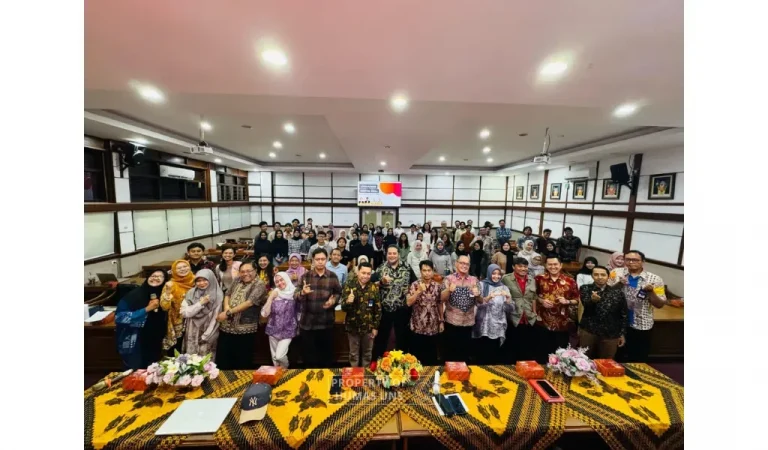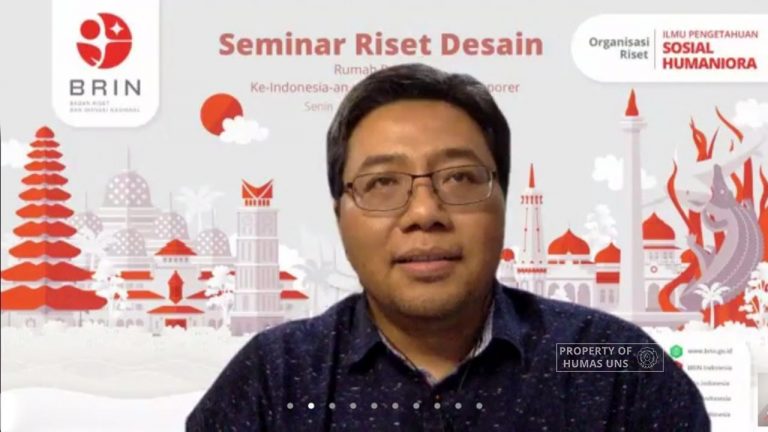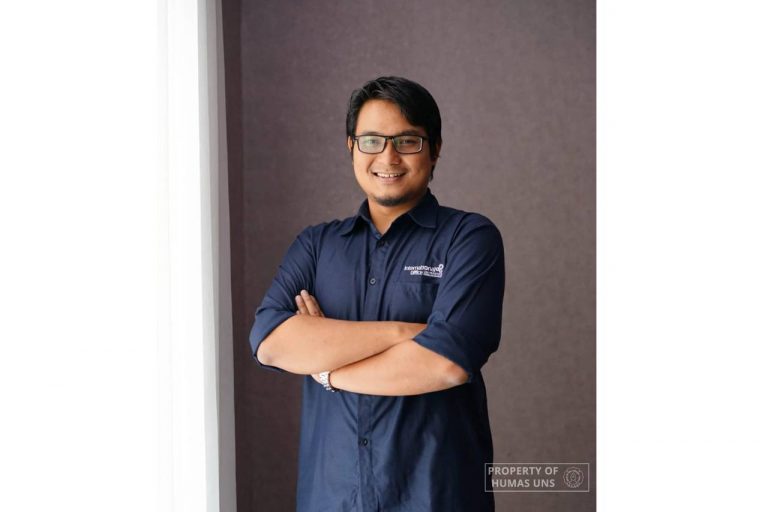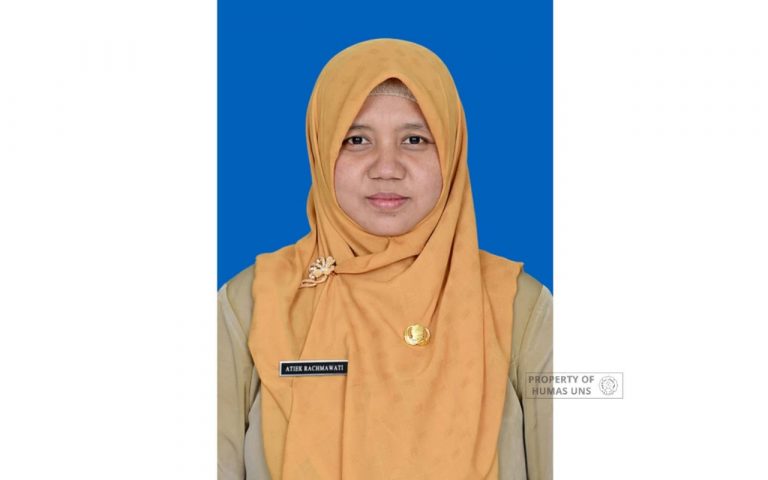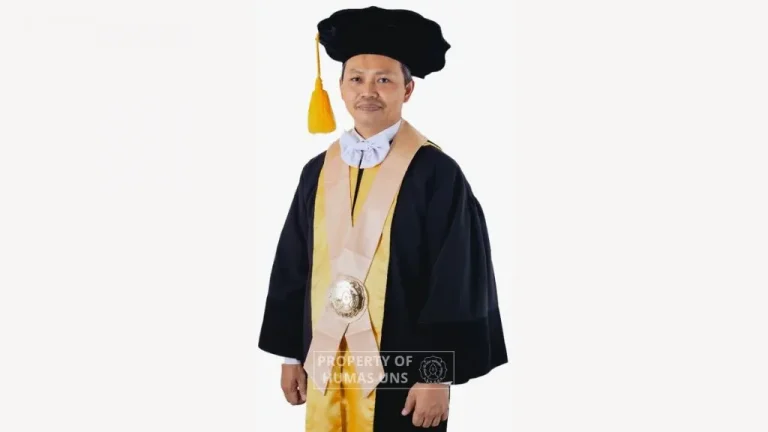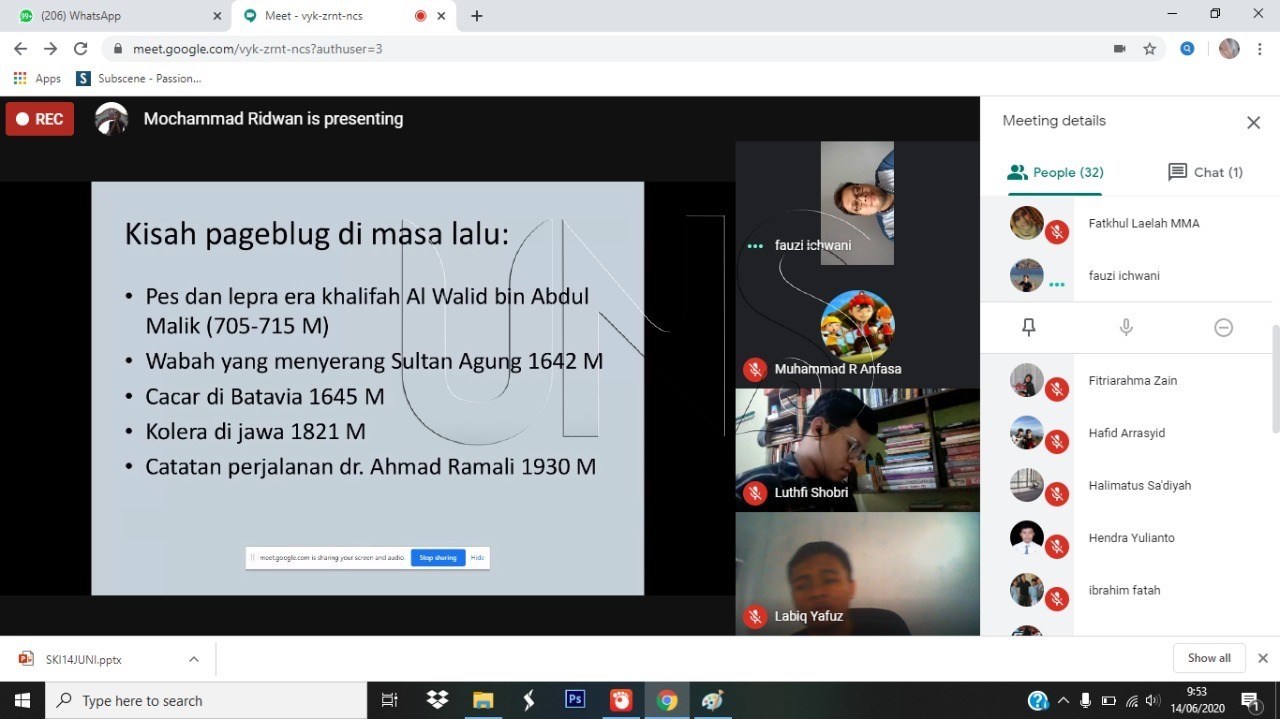
UNS – Islamic Club Activities (Syiar Kegiatan Islam – SKI) Faculty of Social Studies (FIB) Universitas Sebelas Maret (UNS) Surakarta hold an online study on Exploring New Normal from the Islamic, Cultural and Historical Perspective through Google Meet application that attended by 30 participants on Sunday (14/6/2020). On the event, SKI FIB invited Ustaz Arif Wibowo who is also the Director of Center for the Study of Islamic Thought, Fauzi Ichwani as the Coordinator of Solo Societeit Center and Luthfi Shobri, a student of Historical Science Program FIB UNS as moderator.
Fauzi Ichwani revealed that there were several outbreaks in the past. “These outbreaks were, among others, pes and leprosy during the Al-Wahid bin Abdul Malik Caliph in 705-715 M, the plague that struck Sultan Agung on 1642 M, varicella in Batavia in 1645 M, cholera in Java in 1821 M which symptoms consist of constant bowel movements and vomiting. In dr. Ahmad Ramali travel notes in 1930 M, a doctor from Bukittinggi who volunteered as plague doctor in Semarang and Jakarta taught us to maintain hygiene,” Fauzi explained.
Additionally, in the past, some manuscripts contain information about previous outbreaks. The manuscripts were written by the palace’s poets such as Ranggawarsita. The manuscripts are, among others, Serat Pustaka Rajapurwa, Serat Lelampahan Jayapurusa, Serat Kalimataya, Serat Pitedhah Pamulasaraning Tiyang Sakit, and Serat Walisana.
Arif Wibowo conveyed that there are hadists on the prevention of plague transmission as narrated by Bukhari Ra. “If you heard of pes plague in a country, then you should not enter the country, and if (that plague) struck where you live, then you should not leave the country and flees (H.R. Bukhari),” Arif stated.
New normal in Islam can be applied in the form of adding space of one praying rug between people in the congregation to avoid the Covid-19 transmission. “The number of closed praying halls should not be opposed by the people. Islam has provided a scientific explanation for its people,” Arif explained.
The enthusiastic participants send their questions during the question and answer session. Hafid Arrasyid asked the response of the community toward the government’s policies in responding to the pandemic.
“We must obey the government’s regulation and give our best in our field of expertise. We should consider what is the appropriate responses ourselves, how we protect ourselves with our knowledge. If we do not heed environmental directives, Covid-19 will continue to spread,” Arif answered.
New normal can be observed from time to time, how someone learn from history. Through knowledge, Muslim people can face anything. Strong faith is needed in addressing the pandemic, combined with the right knowledge, and learn from history. Humas UNS/Bayu/Dwi