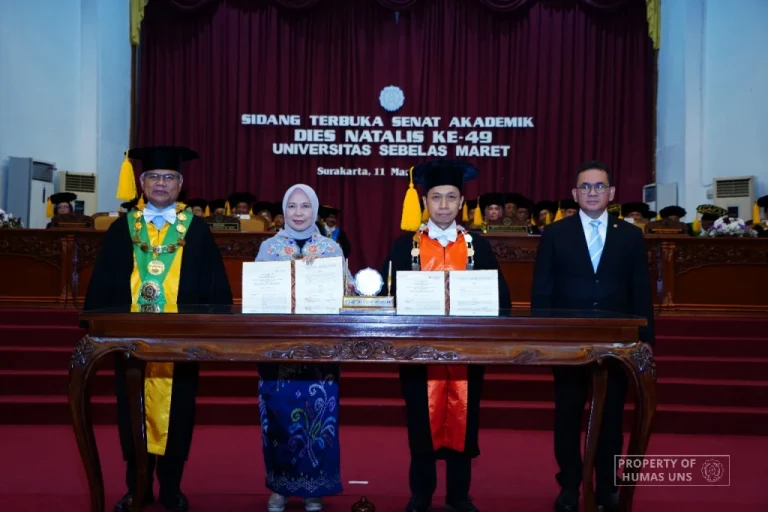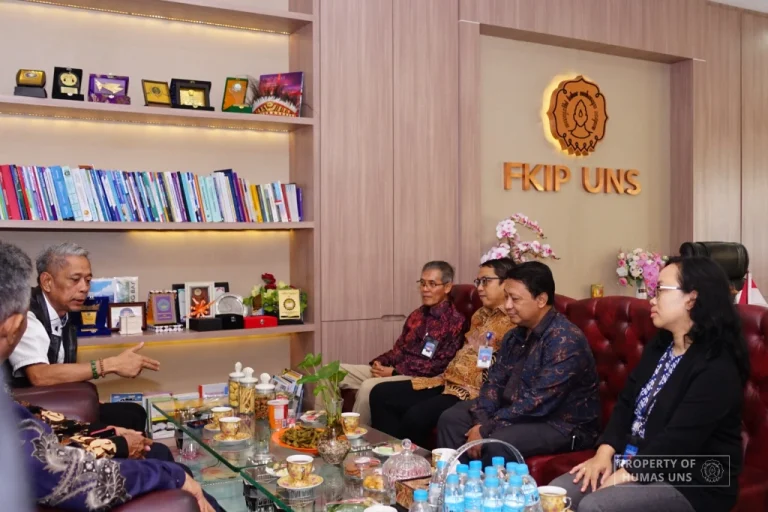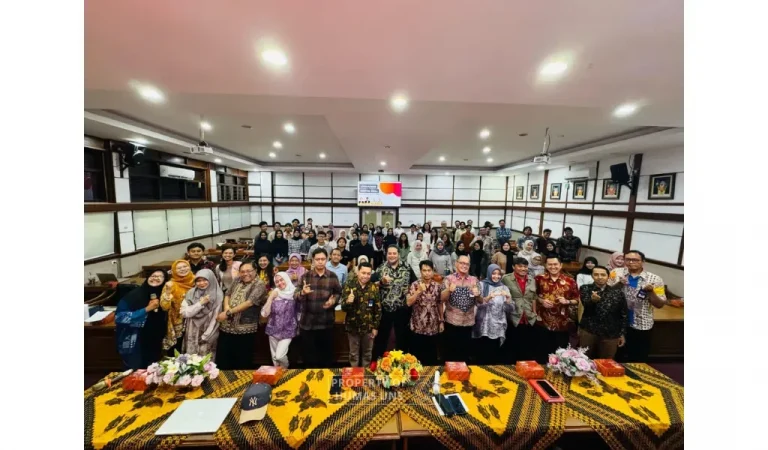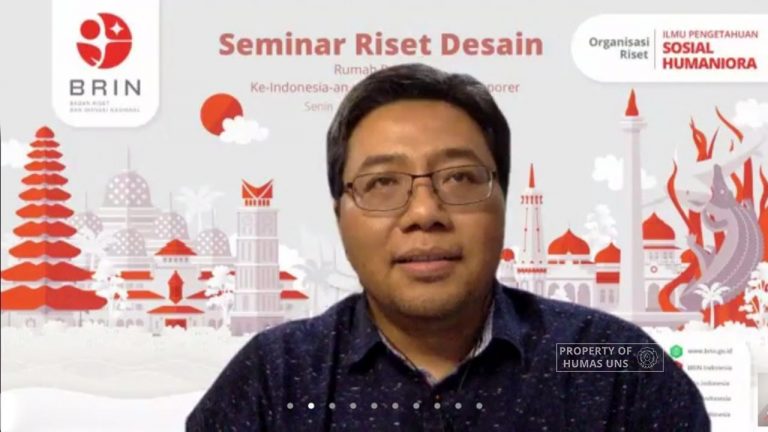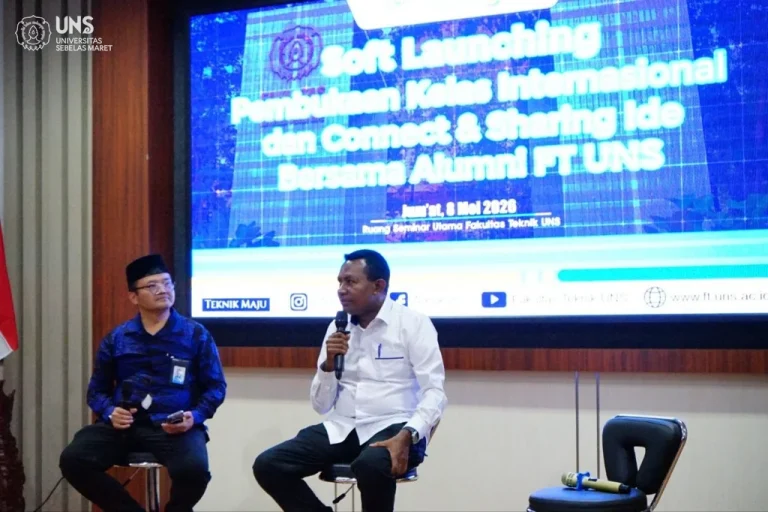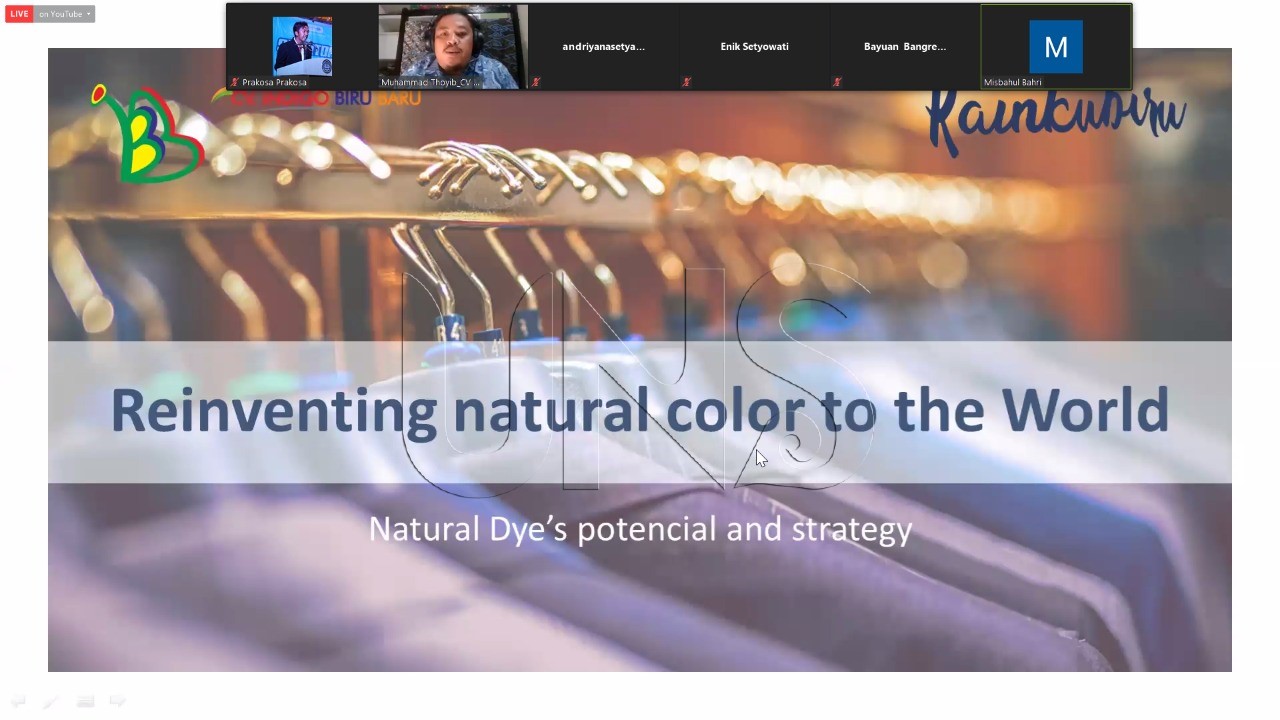
UNS – The Forum for Agrotechnology Student (Format), Faculty of Agriculture (FP), Universitas Sebelas Maret (UNS) Surakarta held a webinar entitle Agrotech’s Fair, bringing up a topic on Dye Plants in Indonesia. The event was held through Zoom Online Meeting and Youtube Live Streaming on Format FP UNS Youtube Channel, Saturday (11/7/2020), which attended by 320 participants. In this agenda, the Format FP UNS invites three speakers namely Mercy Bientri Yunindanova, M.Si., a lecturer from FP UNS, Raymond Suryajaya, a practitioner in natural dye and textile craft, and lastly Muh. Thoyib, M.T., business person in dye plants.
Indonesia has abundant biodiversity, one of them is dye plants. In the first session, Mercy Bientri Yunindanova, M.Si., explains the biodiversity of dyeing plants in Indonesia. “Natural sources can come from plants or animals, but currently the demand is decreasing. Dyeing plants must be promoted to make a better environment. Some categories of natural dyes include red, yellow, indigo, brown, and red color can be produced from bark, fruit, seeds, leaves, and wood,” said Mercy.
Natural dyes can be produced from Morinda citrifolia L., Bixa orellana L., and Sorghum bicolor (L.) plants. Meanwhile, yellow color can be produced from Artocarpus heterophyllus Lam., and Maclura cochinchinensis (Lour.), and blue color can be found in Indigofera tinctoria, Strobilanthes cusia (Nees) and Marsdenia tinctoria.
The second session discusses the commercial potential for natural dye in Indonesia. Fluctuations in product prices that use natural dyes are striking and tend to be high, thus they have great potential. “The potential for natural dye is huge and appealing. The business model that suitable for this are affiliation, private labeling, and direct selling. The potential of natural dye is enormous, which can reach Dollar value if the raw materials are processed properly to provide excellent quality material. Of course, the market will have high confidence, if the price is directly proportional to the quality offered, therefore, our products will be sought,” he concluded.
During the last session, Raymond Suryajaya explains the products that use natural dye, the application of ZWA (natural dye) for a creative textile product. “Wild plants that can be used for natural dye is kerumbi, which can provide the tea-like color that contains tannin, thus resulted in black color. Parts of plants taken are the dried leaves,” he explains.
The challenge faced by Raymond is the difficulty to fulfill the industry demands. “Crafting using natural dye has its own challenges such as logistics availability, color quality, difficulty meeting industry demands, and limited variants. Aside from the challenges, some of the advantages of natural dyes are experimental, attractive and envolving color quality, and more environmentally friendly,” he concluded. Humas UNS
Reporter: Bayu Aji Prasetya
Editor: Dwi Hastuti