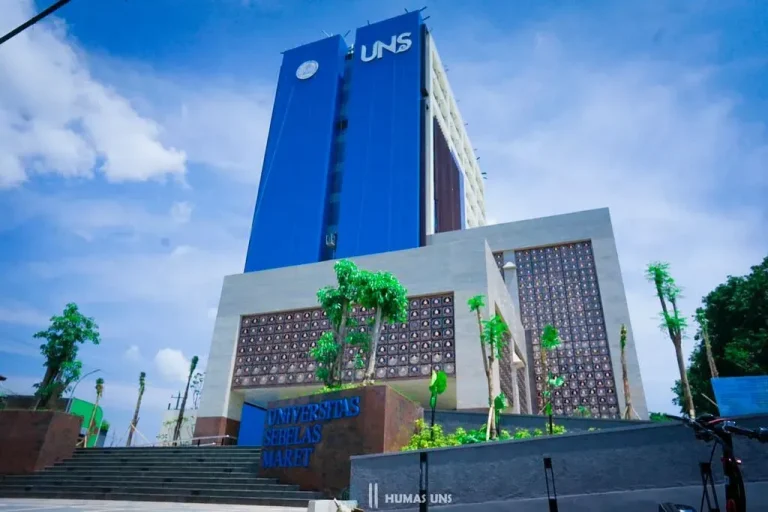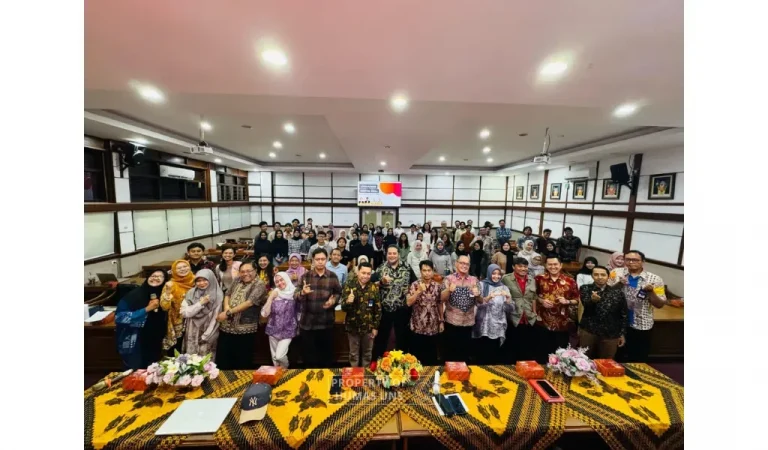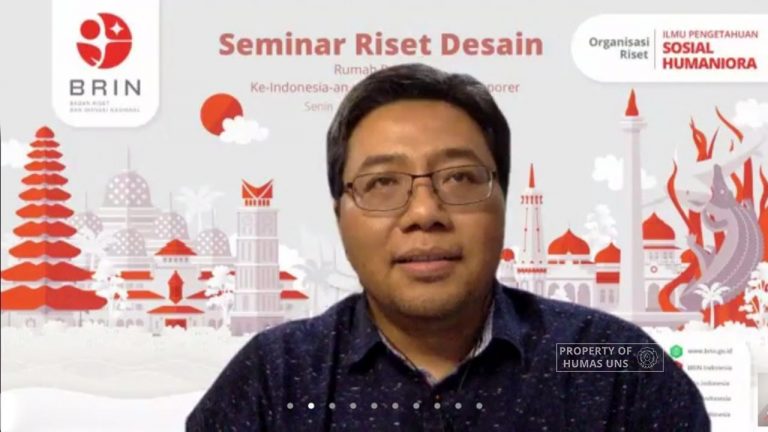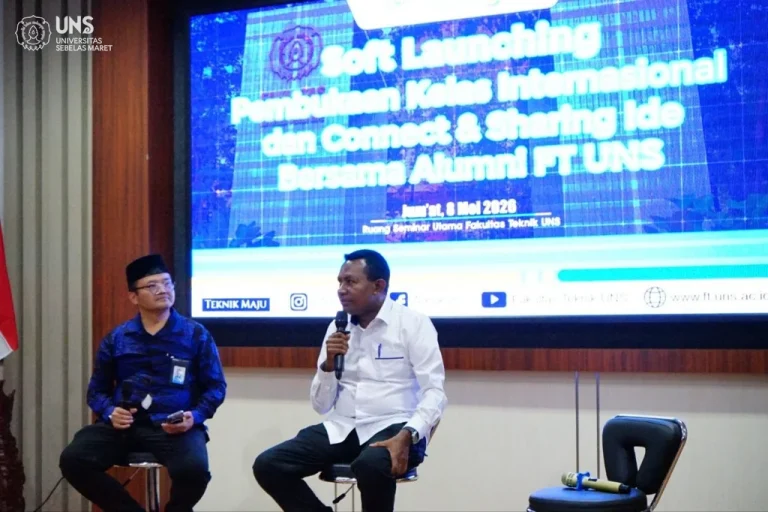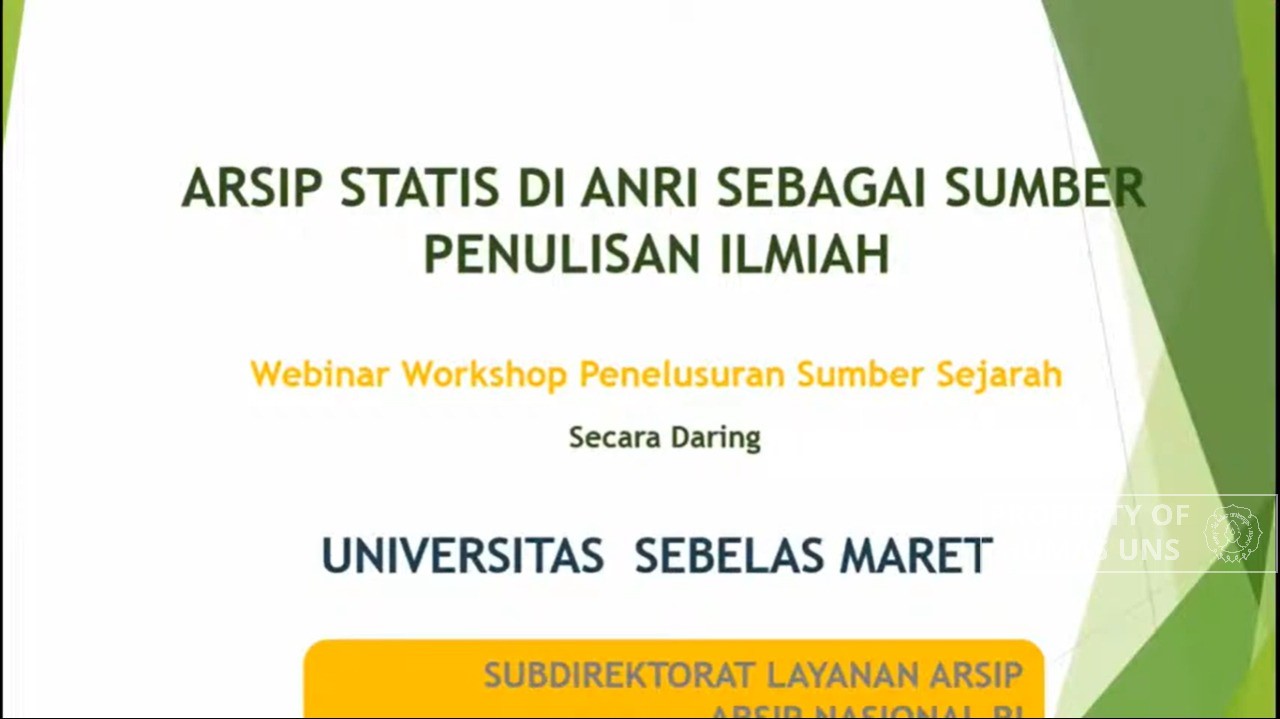
UNS — The Technical Implementation Unit (UPT) of Archives Universitas Sebelas Maret (UNS) Surakarta held a workshop on historical source tracing on Friday (14/8/2020). This event was conducted online through Zoom Meeting application and YouTube live stream. Technical Implementational Unit of Archives UNS invited Dra. Euis Shariasih, M.Hum. Associate Archivist of the National Archives of the Republic of Indonesia (ANRI).
The archive is a record of a phenomenon in various forms and media that comes from government or individual. Euis explained that library material and archive have differences in both their properties and materials. Library materials are written and published materials while archives come in the forms of photos or writings from the past or those that are functional. From its characteristics, library materials are general, which is different from the archive, which is unique. In term of handling, archive requires special treatment while library materials do not.
Many historical archives are stored in National Archives of the Republic of Indonesia (ANRI); conventional archives, cartograph, photos, digital, and films. One of the conventional archives stored in the National Library of the Republic of Indonesia (PNRI) is VOC archive from 1612-1799. The archives were coded with K, for example, K 1 which is archives in Banten in 1674-1891, K 19 for Surakarta in 1646-1890, K 70 for Binnenlands Bestuur. Religious archives of the board of the Dutch Indies Protestant Church in 1844-1950 was given the code K 90.
Euis also explained that since the pandemic, there were changes and adjustment of services in ANRI. Visitors are required to maintain physical distance, wear a mask, and hand sanitizer. But archives must always available and accessible for users.
“Users have different references, university students need an archive for research which is different from Junior High School students who usually only make an inventory of archives for school assignments,” she explained.
Euis stated that archives are a source of information for research because they recorded historical events. It may contain information about government, education, transportation, and other types of information. Humas UNS
Reporter: Bayu Aji Prasetya
Editor: Dwi Hastuti