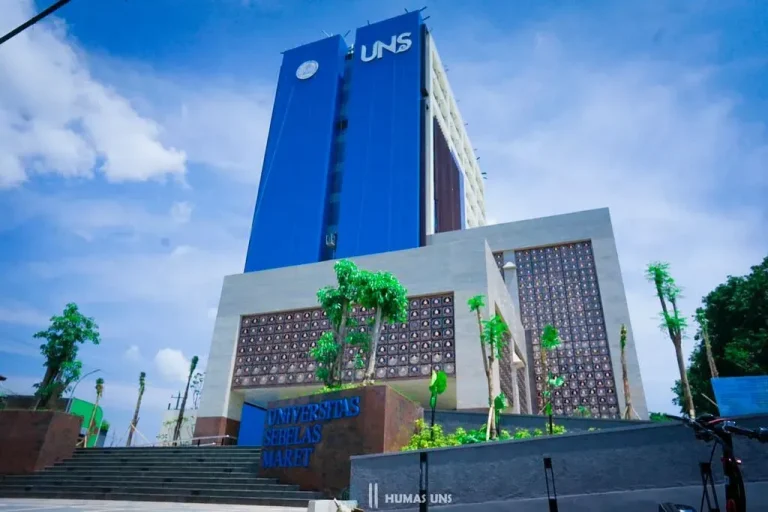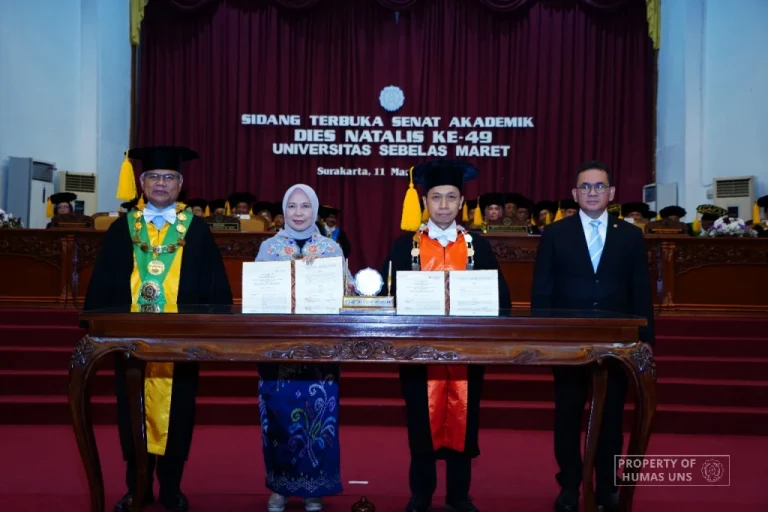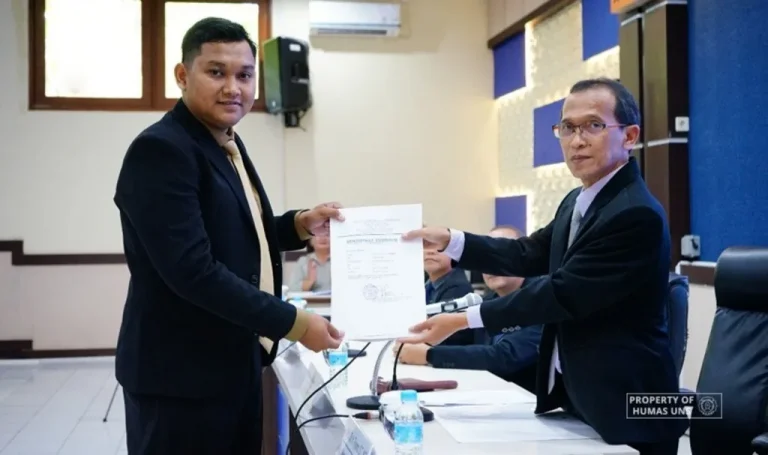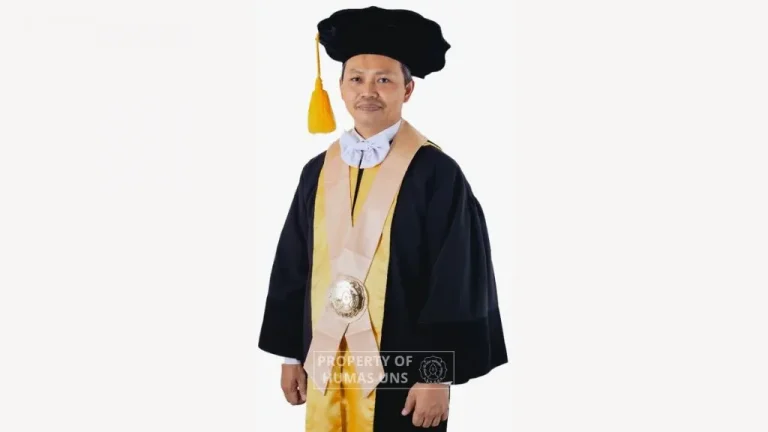
UNS — Universitas Sebelas Maret (UNS) Surakarta adds two new Professors in the Mechanical Engineering Study Program, Faculty of Engineering (FT), and Animal Husbandry Study Program, Faculty of Agriculture (FP). The two Professors are Prof. Dody Ariawan, ST, M.T, Ph.D., dan Prof. Dr.sc.agr. Adi Ratriyanto, S.Pt., MP., who will be inaugurated through the virtual and on-site ceremony on Wednesday (16/12/2020), in G.P.H Haryo Mataram Auditorium UNS.
Prof. Dody Ariawan, ST, M.T, Ph.D., who will be the 16th Professor in FT and the 228th Professor in UNS will deliver an inauguration speech entitled ‘Natural Fiber Composite Resistance-Polymer Against Outdoor Exposure in Tropical Climates’. Prof. Dody states that material is one of the most important components, which also acts as the basic component in creating a new product. In the current industrial sector, the material needed in the production process is the one with high quality, among others are having good mechanical quality in line with its utility, appropriate price, and its ease to be recycled.
Engineering material, in general, can be categorized into 4 (four) types, namely metal, polymer, ceramics, and composite. Natural fiber composite has become one of the alternatives that can fulfill the criteria and has been used as a replacement for common materials such as plastic, timber, and iron. Natural fiber composite consists of natural fibers, which act as reinforcing and matrix as binding material.
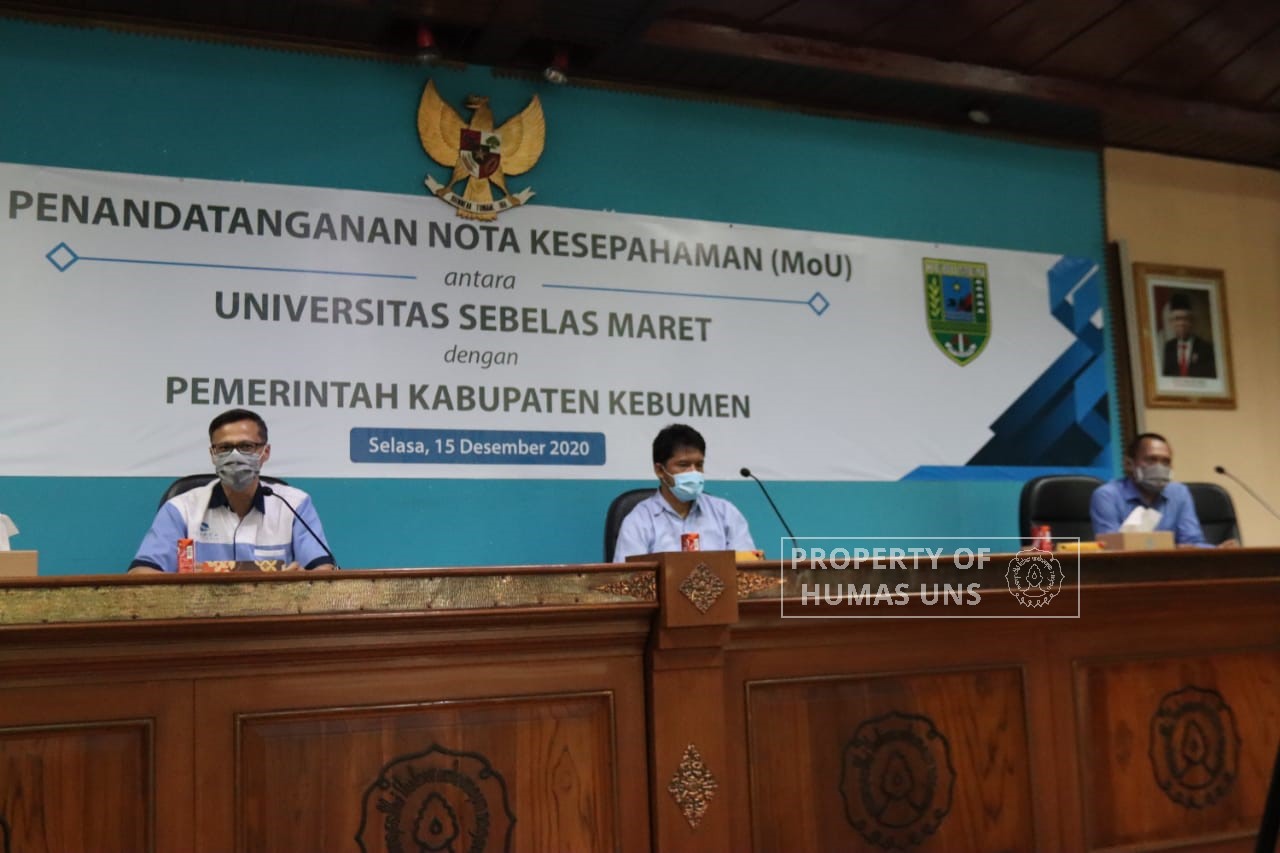
“Reinforcing material provides strength to the composite by forming a structure on the composite, while matrix serves as a binding and protecting the reinforcing material from environmental effect,” Prof. Dody explains, on the sidelines of a pers conference, Tuesday (15/12/2020).
On practical sidenotes, the use of natural fiber composite-polymer for outdoor application in the tropical area needs various requires careful consideration. The addition of natural fibers as reinforcing agents seems can withhold the composite strength reduction, which is exposed to the outdoor condition. Due to the effect of the tropical climate on natural fiber composite-polymer, thus material designers in mechanical engineering need to make a careful consideration of the selection of materials and their application. Especially on the strength and lifespan prediction of natural fiber composite material. Therefore the implementation of the material can withhold the lifespan structure predicted by the designer. Further research to improve the natural fiber composite strength remains in need.
Meanwhile, Prof. Dr.sc.agr. Adi Ratriyanto, S.Pt., MP., who will be the 31st Professor in FP and the 229th in UNS, will deliver inauguration remarks on ‘Nutritional Approach in Poultry Production Facing Heat Stress In An Era Without Antibiotics’. In his statement, Prof. Dr.sc.agr. Adi Ratriyanto, S.Pt., MP., mentioned that there are two interesting points in Poultry production in Indonesia. First is the tropical climate with high temperatures. The second is the prohibition of the use of antibiotics in animal feed. Poultry is included in homeotherm livestock with the optimum temperature at 18-20°C. The high environmental temperature, as well as climate change and global warming, causing poultry to experience thermoregulation disorders to release heat from the body, which leads to heat stress. This heat stress can affect the livestock’ physiology and immunity. Poultry livestock shows heat stress signs at 27°C. Higher temperature will increase the severity of heat stress, characterized by increased evaporative respiration because the process of dissipating body heat through radiation, convection, and conduction is no longer efficient. This will lead to a decrease in livestock performance which can cause economic losses.
Efforts to reduce the heat stress effect can be made through several methods such as improvement in cultivation management, providing microclimate adjustable enclosure. The other method is by optimizing the poultry coop, thus there is no excessive heat accumulation. Food nutrients modification can be one of the options.
“Through these efforts, hopefully, farmers can get good livestock performance and product quality,” Prof. Adi said.
Improvement of livestock quality is also expected to increase farmers’ welfare as the spearhead of poultry cultivation in Indonesia. Moreover, poultry productivity and quality improvement are crucial for the animal food ingredients supply, which can support the community health, especially during the ongoing Covid-19 pandemic. Humas UNS
Reporter: Dwi Hastuti