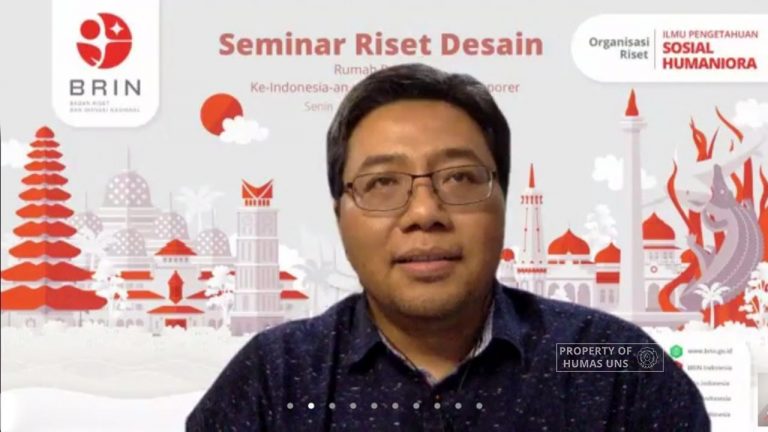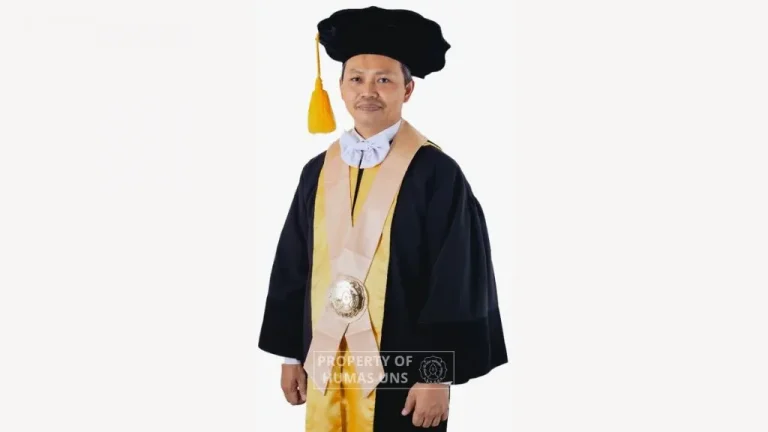
UNS — The Faculty Member of Civil Engineering Program Faculty of Engineering (FT) Universitas Sebelas Maret (UNS) Surakarta, Budi Yulianto, S.T., M.Sc., Ph.D, explained that according to the Transport Paradox, the development of construction in a city is not followed by the improvement in transportation. On the contrary, a city with high economic activities tends to have poor transportation because its people will choose their personal vehicles over public transports. Therefore, this condition will bring a new issue in transportation.
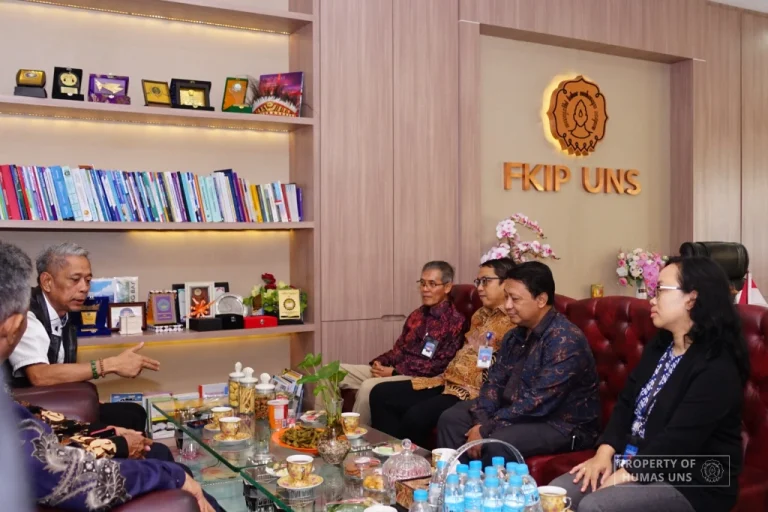
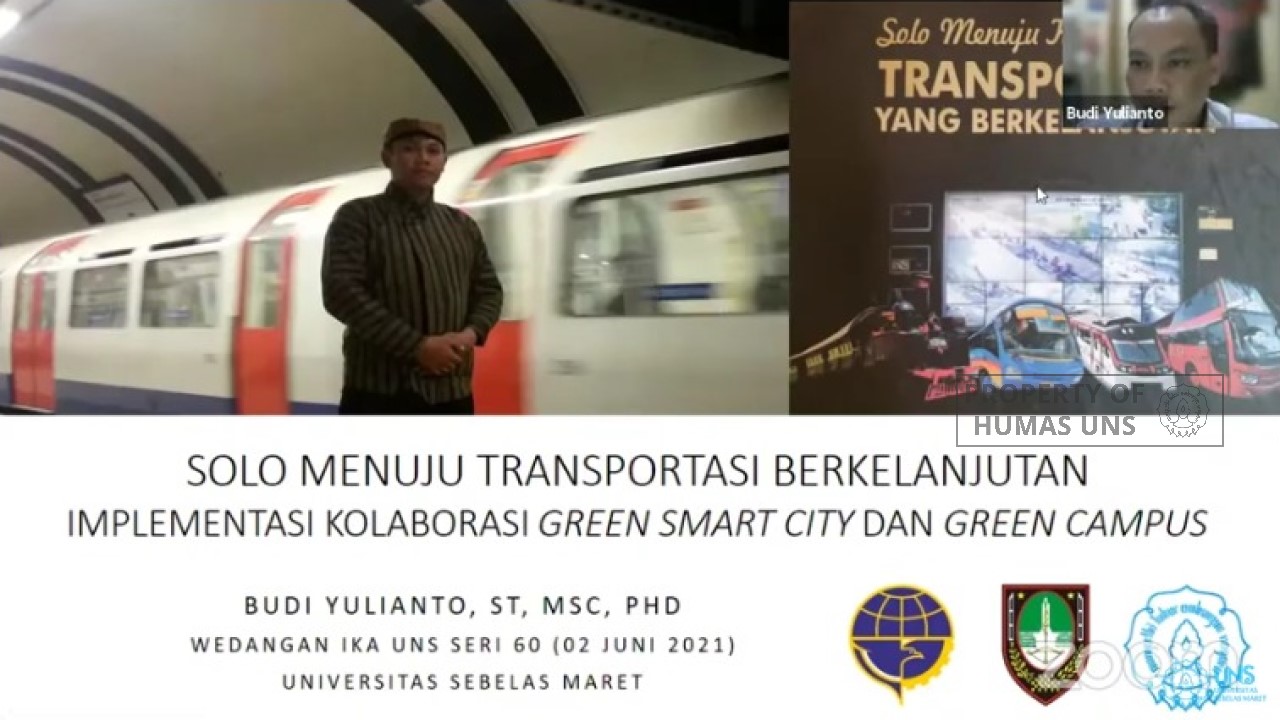
Budi added that the transportation issue could be solved using the Capacity – supply Concept – grey and Sustainable – demand concept – green. The first concept focuses on providing a road network using the volume per capacity function. Thus, low volume and high capacity bring good service. As a comparison, the second concept is based on sustainability and demand, affecting social, environmental, and economic activities. “The sustainable concept has the orientation of the use of public transportation and non-motorized vehicles,” he explained in a discussion on Wednesday (2/6/2021).
Budi emphasized that several aspects need to be improved to create sustainable transportation, such as public transport, non-motorized transport (pedestrian and cyclist), traffic management, and traffic demand management. In the future, sustainable transport will create green infrastructure such as green campus and green smart city. Therefore, he suggested Solo adopts the best practice applied in Nottingham, UK.
Nottingham has solved its traffic jam issue through Green City development in collaboration with the University of Nottingham, which also applies the Green Campus program. This collaboration creates a train network that brings the city into one of the best Green Cities in the UK and the university as the best Green Campus. Similar collaboration could be implemented between UNS as Green Campus with Solo Municipal Government as Green City.
He added that higher education has high supply and demand. In 2020, UNS had a total of 45,000 academic members, including students and staff. If most UNS academic members use public transport, there will be sustainable transport that brings a positive effect on the environment. Humas UNS
Reporter: Alinda Hardiantoro
Editor: Dwi Hastuti