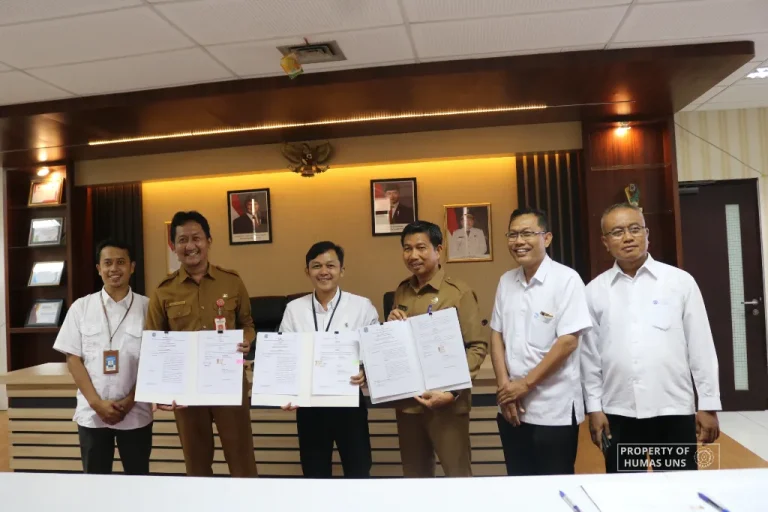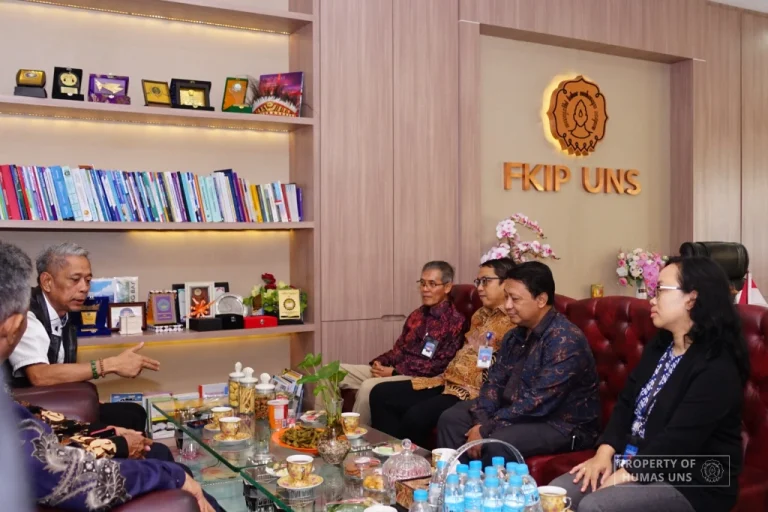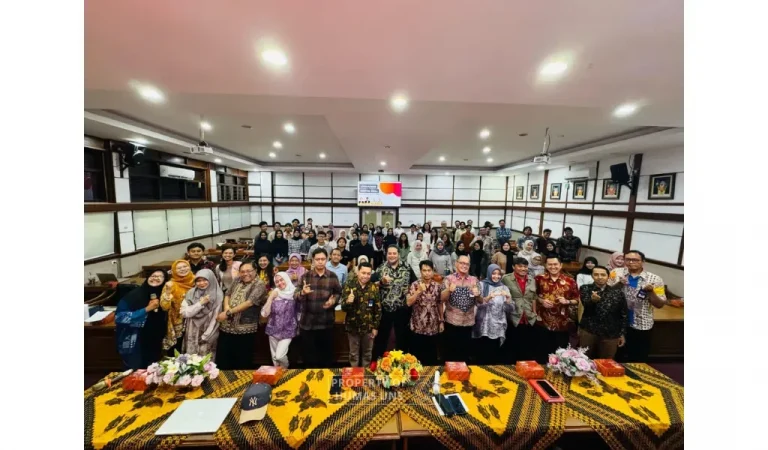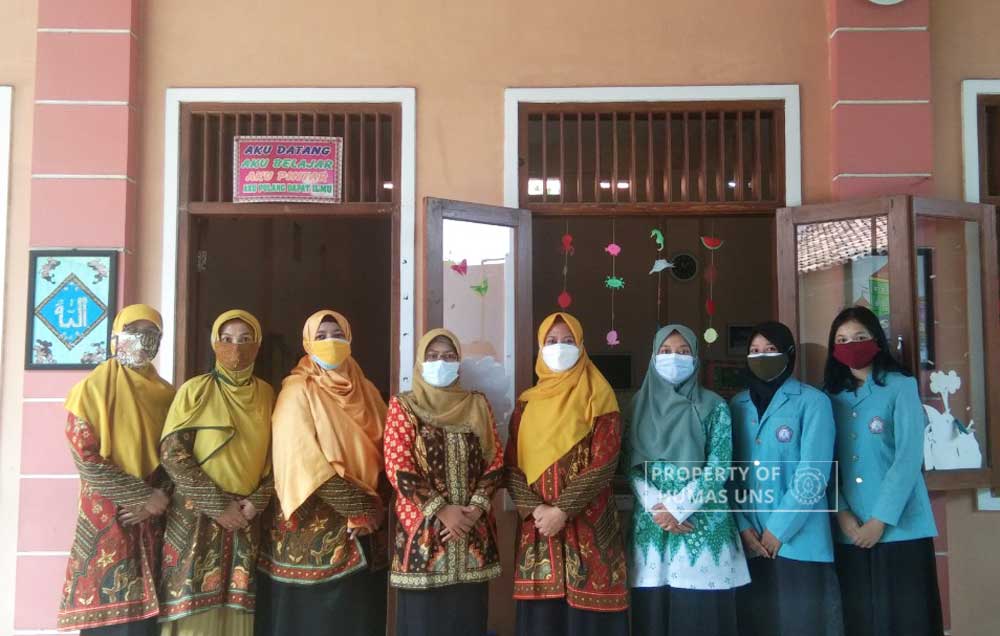
UNS — Early Childhood Education (PAUD) Management Research Group Faculty of Teacher Education and Education (FKIP) Universitas Sebelas Maret (UNS) Surakarta held PAUD management socialization in Kindergarten (TK) Aulia Surakarta. According to the release accepted by the uns.ac.id team, this event is a follow-up of the previous event on the implementation of sustainable PAUD management.
The main focus of this event is to assist TK in setting quality PAUD targets according to the National Educational Standard (SNP) PAUD.
“Through PAUD management that aligns with the PAUDS management standard,” Warananingtyas Palupi, S.Sn., M.A., as Early Childhood Education Program (PG-PAUD) FKIP UNS faculty member explained on Monday (30/8/2021).
The community service program in TK Aulia started in 2020 until September 2021. In 2020 the event was started with socialization on PAUD management and in 2021, followed by assistance for implementation in the institution. This community service program was implemented by the faculty members in PG-PAUD as a member of PAUD Management Research Group. In total, six faculty members and three PG-PAUD FKIP UNS students participated in the program.
The team considers TK Aulia to be a potential target for assistance to achieve an excellent school category.
“Good institutional management and alignment with the national standard will determine the quality of an educational institution. Therefore, PAUD management is vital to be mastered by all of the human resources in PAUD. We consider TK Aulia to be highly potential to receive assistance to achieve the target as an excellent school,” Warananingtyas explained.
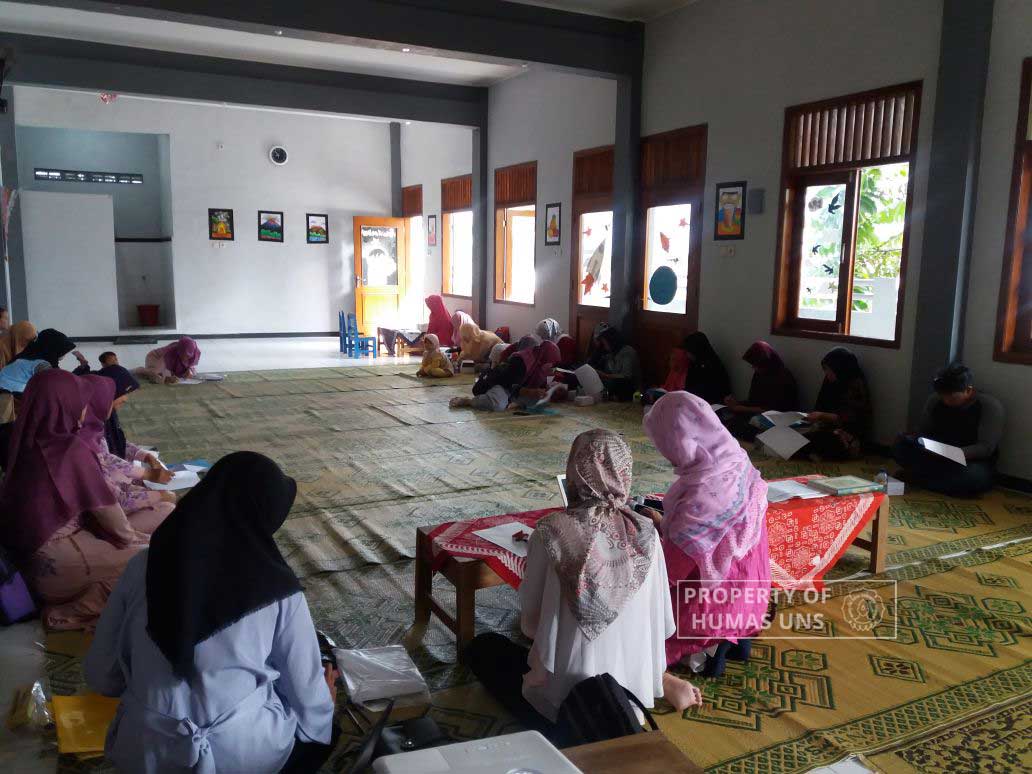
In this community service, the team assisted the institutional management in establishing a more organized and standardized system according to the SNP PAUD that includes the curriculum, teaching staff, academic staff, students, facilities, infrastructure, funding, collaboration, and supervision. Warananingtyas and the team hoped that this community service program could contribute to the institutional accreditation assessment.
“Nationally standardize managerial is aimed to achieve maximum managerial assessment. Therefore, it will contribute to the institutional accreditation assessment. An institution with excellent accreditation will have a higher reputation and academic image in the community. The institution will also have a higher spirit to make strategic innovations in developing the institution,” she concluded. Humas UNS
Reporter: Zalfaa Azalia Pursita
Editor: Dwi Hastuti