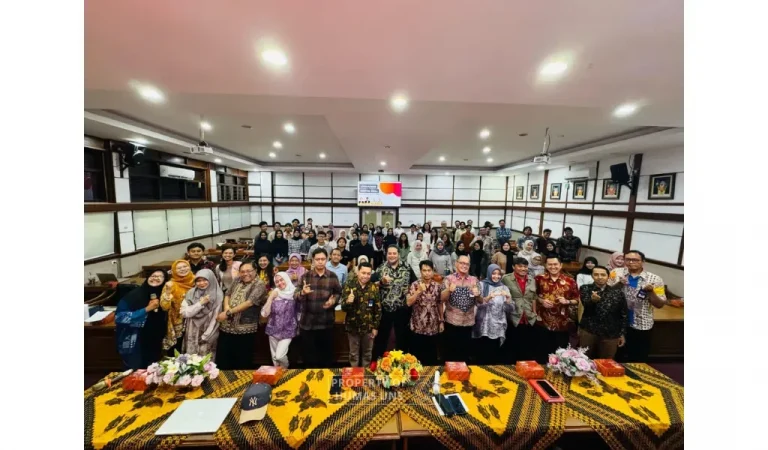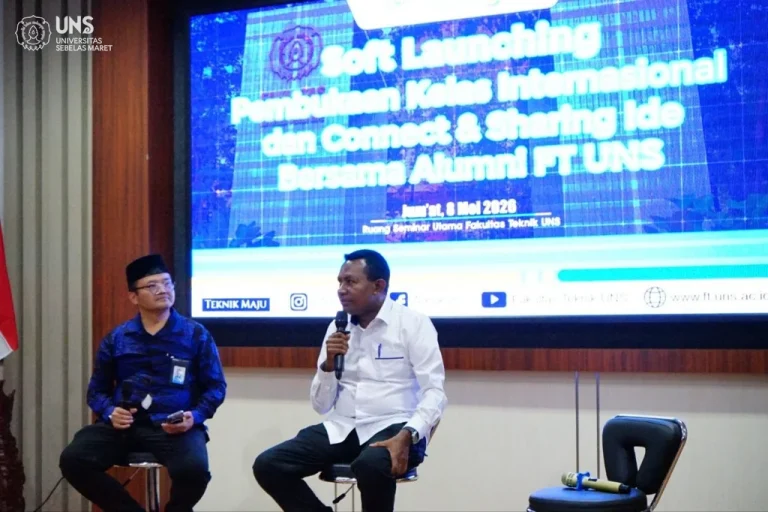
UNS — Student Association (HMJ) of Development Economic Program (EP) Faculty of Economics and Business (FEB) Universitas Sebelas Maret (UNS) Surakarta held the 15th National Seminar Alcofe on Saturday (16/10/2021). The theme raised in the current national seminar was “Digital Based Creative Economy Optimally Recover the Economy in the Pandemic”.
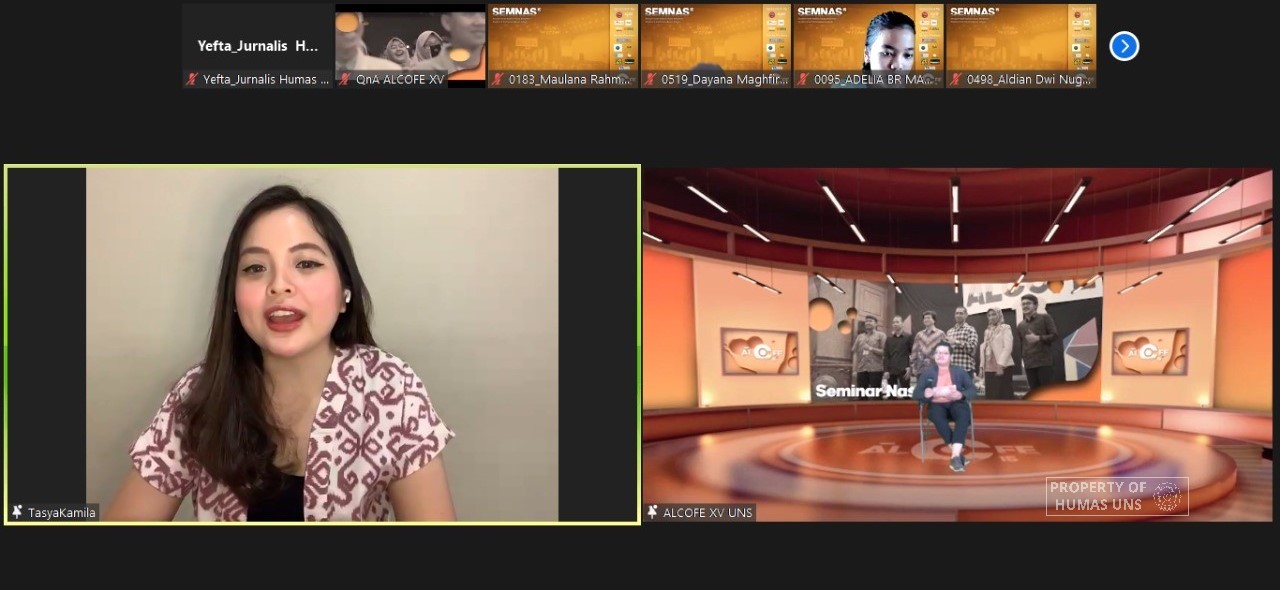
Broadcasted through the Zoom Cloud Meeting, the national seminar invited four speakers: singer and actress Tasya Kamila, Professor in Development Economic FEB UNS Prof. Izza Mafruhah, Director of the Department of MSME Development and Consumer Protection Bank Indonesia (BI) Bandoe Widiarto, Project Management Officer JD.ID Hadi Wijaya, and awardee of Master Program in Economy and Development Studies FEB UNS Riza Indah Pramesti.
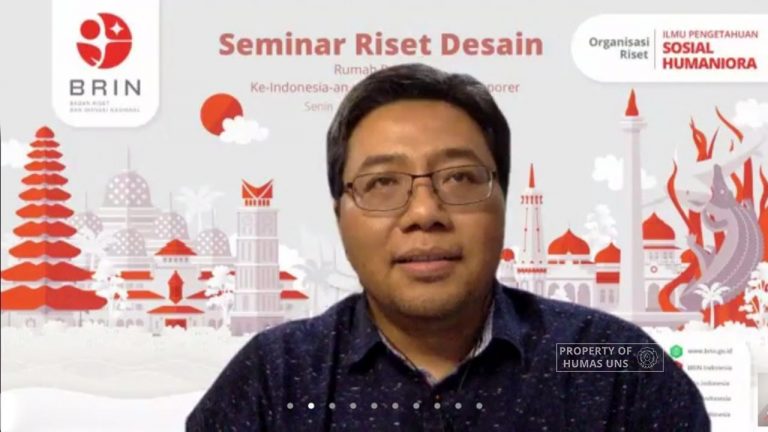
Delivering the first material, Bandoe Widiarto shared the strategic role of MSMEs and its challenges and mentioned that MSMEs have a strategic role as the source of economic growth in Indonesia. However, amid the disruption era, MSMEs faced various challenges regarding limited access to funding sources, digital preparedness, and marketing access. “There are 65.6 million MSMEs in Indonesia, and in 2019 Kemenkop UKM recorded its contribution for GDP up to 57.14% or equal to IDR 7,034.14 trillion,” Bandoe Widiarto explained.
In terms of the Covid-19 pandemic impact, he mentioned that the health crisis caused a significant decline in GDP performance and retail trade, which the majority are performed by MSMEs. Bandoe Widiarto stated that 87.5% of MSMEs experienced the negative impact of the pandemic, which translates to 2,600 MSMEs that struggling to recover from their business slumps. However, he added that digitalization helps in strengthening MSMEs resilience amid the pandemic. Therefore, online education to assist the MSMEs in marketing their product in the online market.
Bank Indonesia has implemented this type of assistance through its onboardingumkm.id where MSMEs obtained education on digital skill and mindset, digital presence and onboarding, digital marketing, and digital operation. “The educational materials are focused on the two first stages to shape MSMEs mindset to go digital because the majority of onboarding participants are a micro business,” Bandoe Widiarto explained.
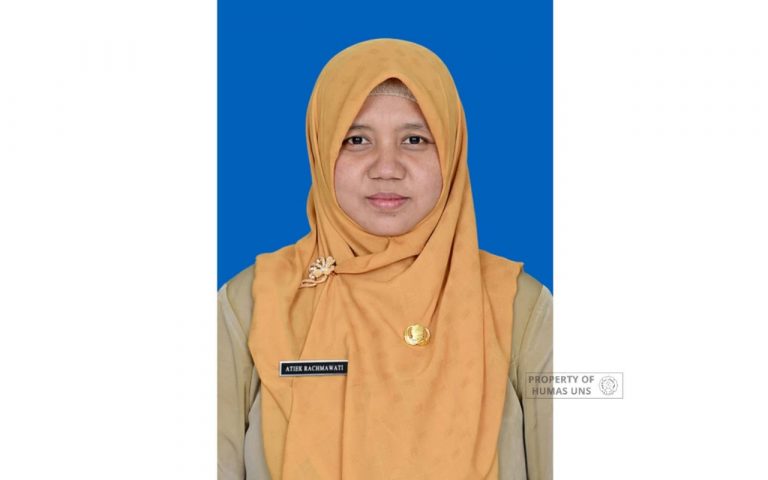
In the second material, Prof. Izza Mafruhah discussed the readiness of the Indonesian workforce to face the digitalization trend in the workplace. She explained that there are two challenges for Indonesia: bonus demography and high quality and skilled workers. Prof. Izza explained that Indonesia is considered the 16th greatest economic force globally and is predicted to increase into 7th place in 2030. Therefore, with the strategic potential of Indonesia’s economy, Prof. Izza encouraged the government to apply special strategies before Indonesia entered the demography bonus. The strategy can be implemented through the development of competent human resources that pay attention to the healthcare system, education system, research, and innovation.
“Don’t let it become a demography disaster. Currently, 203.97 million people are in productive age. While 65.75 million people are not in the workforce. Around 40.96 million people are housewives, 15.35 million people are studying, and the rest 9.44%,” Prof. Izza Mafruhah explained.
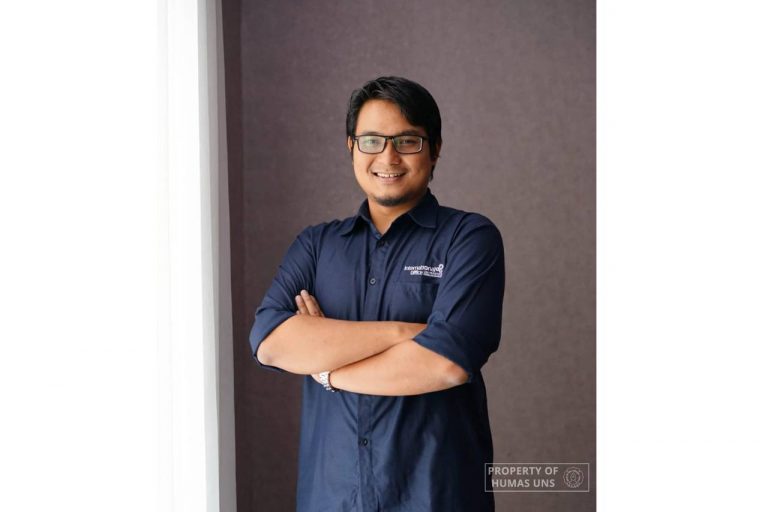
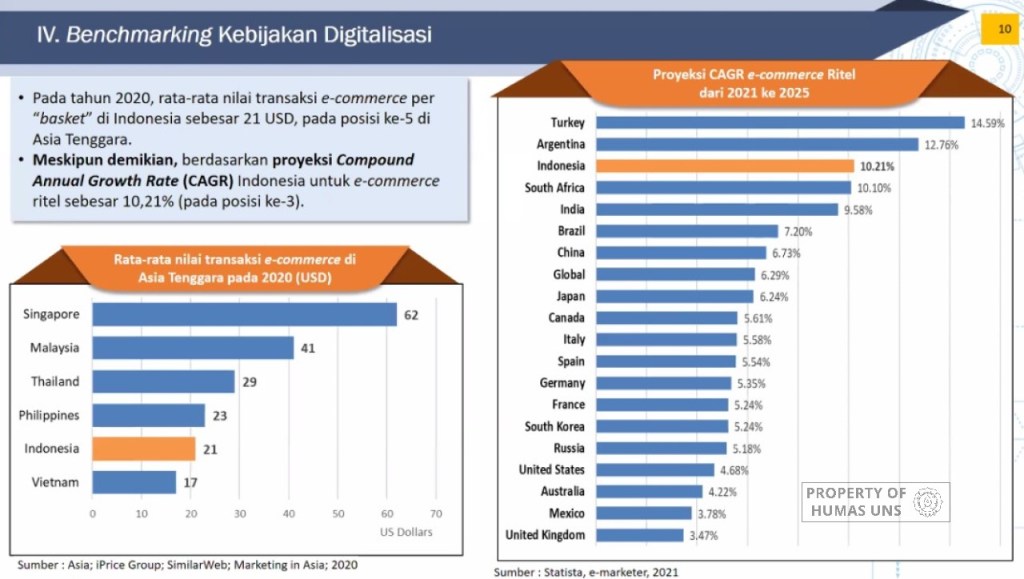
In the third material, Hadi Wijaya discussed e-commerce roles as the driver of the digital economy in Indonesia. The PMO of JD.ID explained that in this modern era, people are guided by technology, starting from daily activities, driving routes, and daily financial transaction. Quoting the “Homo Deus: A Brief History of Tomorrow” by Yuval Noah Harari, Hadi Wijaya mentioned that there are three things that need to be considered in responding to the technology development in the 21st century: the computer algorithm, biotech, and medicine development to prolong people age.
“Maybe (we) could predict today that in the future, in 2050, for example, people could change their body parts like changing spare parts. This is observable from the production of robotic feet-arm for a war veteran that can be connected to the brain,” he stated.
Hadi Wijaya added that what Yuval Noah Harari wrote in the book is getting closer to reality because the current pandemic pushed digitalization in various aspects. Therefore, as a country with a dominant productive population, Indonesia is encouraged to utilize technology to its full potential. “Including the e-commerce because 125.6% mobile network and 202.6 internet users, and 170 social media active users,” he concluded.
At the end of the seminar, HMJ EP held a talkshow with Tasya Kamila, who shared her experiences in creative thinking in building her business and songwriting activities during the Covid-19 pandemic. Humas UNS
Reporter: Yefta Christopherus AS
Editor: Dwi Hastuti