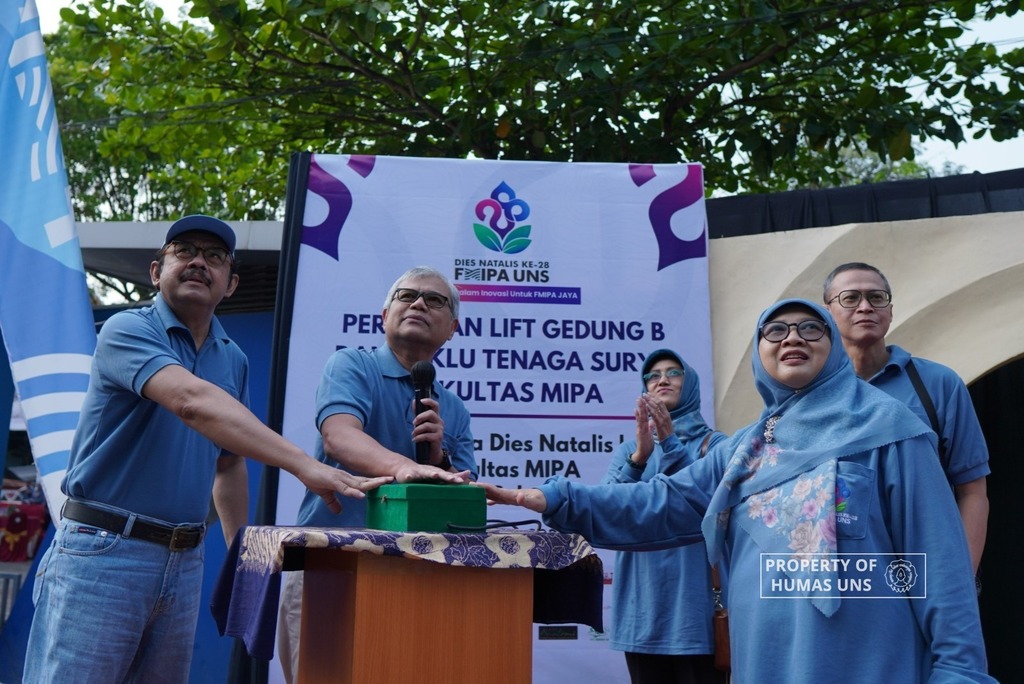
UNS – The Faculty of Mathematics and Natural Sciences (FMIPA) at Universitas Sebelas Maret (UNS) Surakarta has advanced its commitment to sustainable innovation with the installation of a solar-powered Electric Vehicle Charging Station (SPKLU). This strategic initiative aims to support energy conservation and carbon emission reduction across the campus.
The charging station was officially inaugurated by UNS Rector, Prof. Dr. Hartono, dr., M.Si., on Saturday (5/10/2024), in conjunction with FMIPA’s 28th Dies Natalis celebration. Powered by solar energy, the FMIPA charging station has an effective production capacity of 11.000 watts over five hours. It operates with four solar panels (WP) that harness sunlight to generate electricity and features a storage battery with a maximum capacity of 4.800 watts, ensuring a stable power supply for charging electric vehicles. This renewable technology allows the SPKLU to function efficiently without reliance on conventional electricity grids.
FMIPA Dean, Dr. Desi Suci Handayani, S.Si., M.Si., emphasized that the solar-powered EV charging station is part of the faculty’s vision to support a transition to clean and sustainable energy. “This is a tangible step in supporting global efforts to reduce carbon emissions and conserve energy while providing modern facilities for our campus community,” Dr. Desi stated.
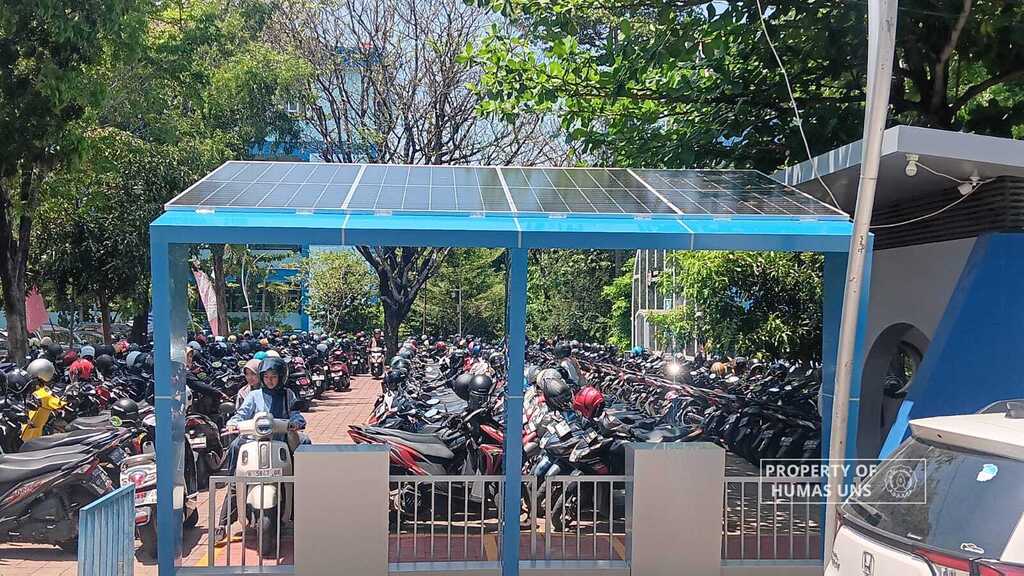

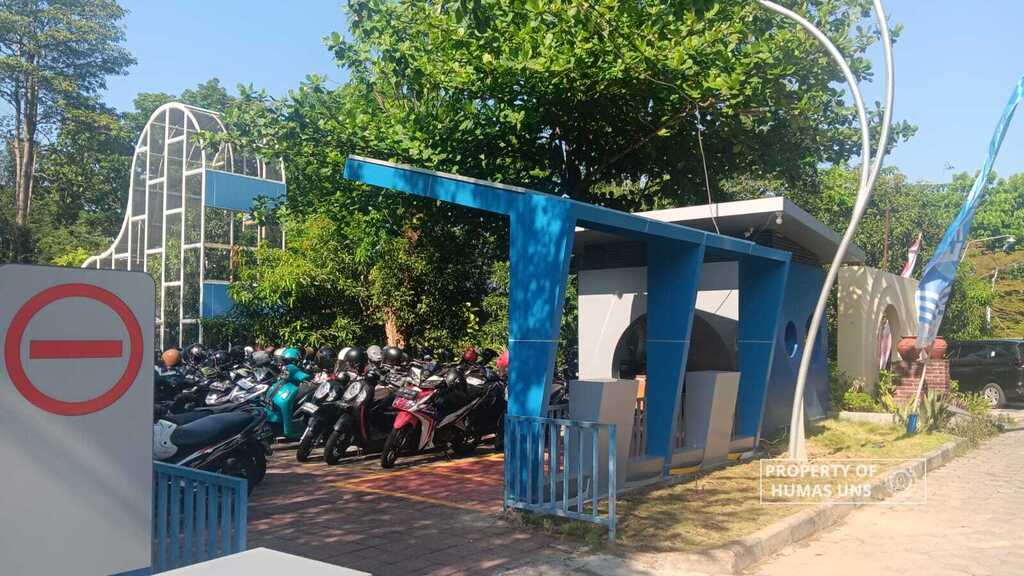
The solar-powered EV charging station is intended to facilitate the use of electric vehicles within FMIPA for students, faculty, and staff. This initiative aligns with FMIPA’s commitment to reducing its carbon footprint and contributing to the goal of net-zero emissions. Given Indonesia’s abundant sunlight, this facility is also expected to serve as a model for environmentally friendly technology at other campuses.
By using solar energy as its primary source, the SPKLU not only supports electric vehicle use but also plays a significant role in reducing greenhouse gas emissions. Clean, renewable solar power allows FMIPA to decrease its dependency on fossil fuels, one of the main contributors to carbon emissions.
Additionally, the solar-powered EV charging station is expected to inspire further research and development in renewable energy within FMIPA. UNS continues to strengthen its reputation as an institution committed to environmental sustainability and green technology.
With the launch of this solar-powered EV charging station, FMIPA UNS reinforces its position as a pioneer in renewable energy innovation. The facility is not only a tool for energy conservation but also serves as an educational resource for students interested in learning more about renewable energy technology and its applications in daily life.
“We hope the presence of this solar-powered SPKLU will encourage more members of the campus community to switch to electric vehicles and become increasingly aware of the importance of environmentally friendly energy use. This is a small step towards a greener and more sustainable future,” Dr. Desi concluded.
Through the initiation of this solar-powered EV charging station, FMIPA UNS underscores its commitment to developing eco-friendly energy solutions, reducing carbon emissions, and promoting environmental sustainability.
HUMAS UNS
Editor: Dwi Hastuti