UNS—Universitas Sebelas Maret (UNS) Surakarta held a meeting with the Indonesian Society for Health Promotion and Education (Perkumpulan Pendidik dan Promotor Kesehatan Masyarakat Indonesia, or PPPKMI) Central Java Regional Board to strengthen efforts in creating a healthy, smoke-free environment and raising campus community awareness about the dangers of smoking.
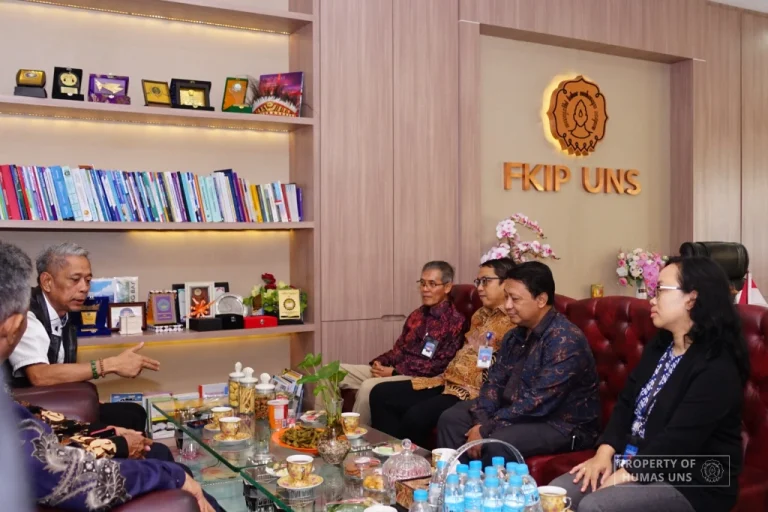
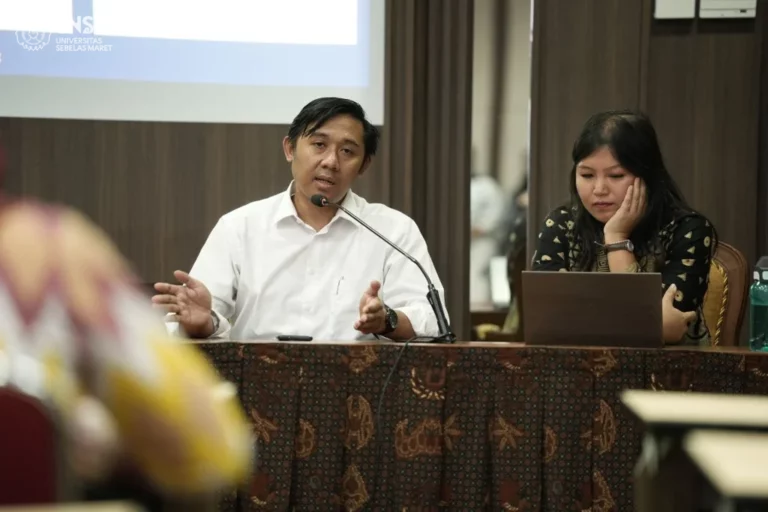
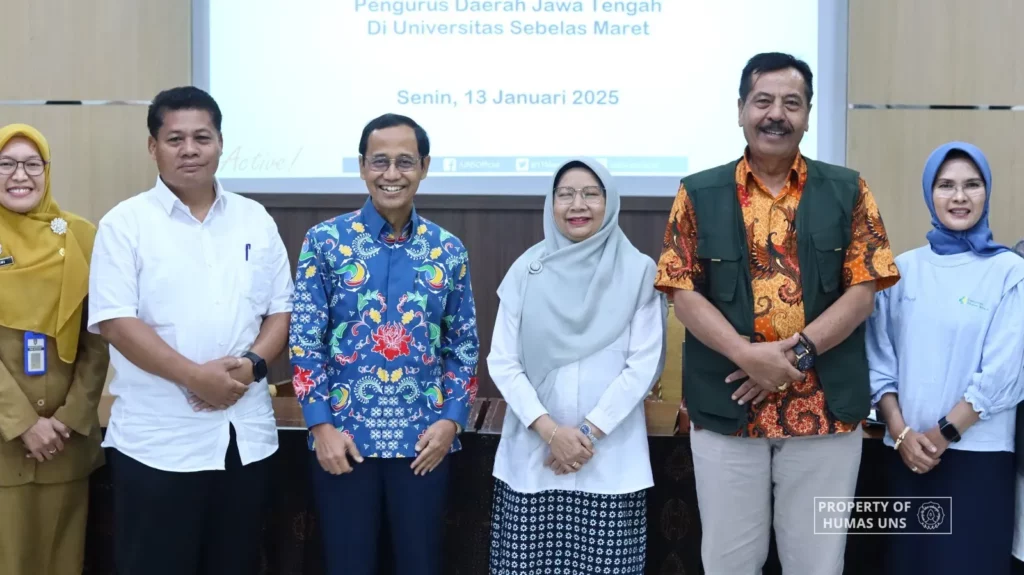
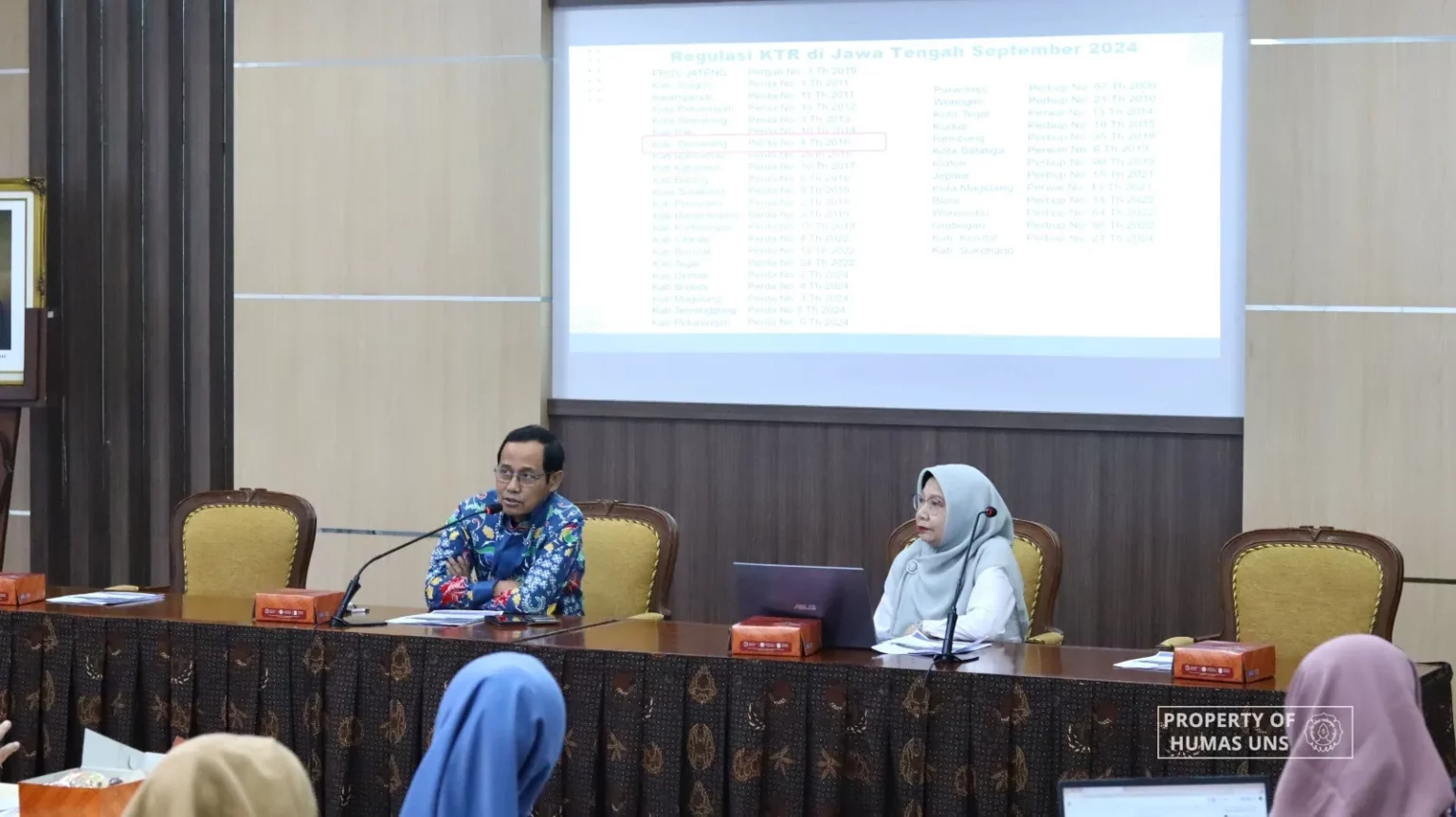
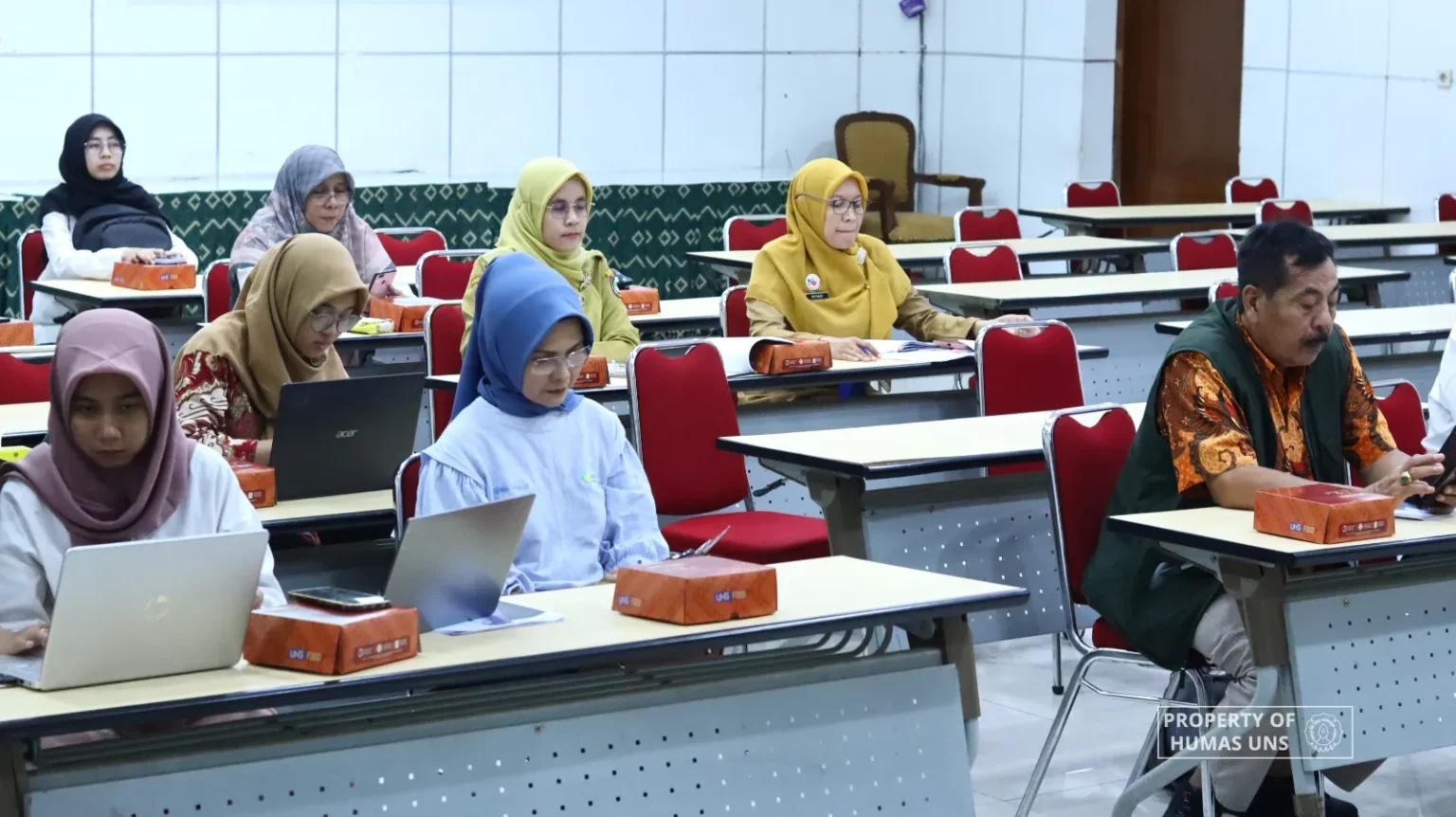
The dialogue, held on Monday (13/1/2025) at Meeting Room IV, Dr. Prakosa Building, UNS, was attended by the UNS Head of Risk Management, Dr. Isna Qadrijati, dr., M.Kes.; UNS Head of Organization and Governance, Dr. Tuhana, S.H., M.Si.; and the Chair of PPPKMI Central Java, Dr. dr. Anung Sugihantono, M.Kes., along with other members.
In his presentation, Dr. dr. Anung highlighted the high prevalence of smoking in Indonesia. Approximately 27,02% of Indonesians aged 10 and older, or about 70 million people, are active smokers, with 7,4% of them being between the ages of 10 and 18. A significant number of smokers use indoor spaces, exposing 74,3% of the population to secondhand smoke.
Universities, as centers of education, are designated as Smoke-Free Zones (Kawasan Tanpa Rokok, or KTR), where smoking, selling, producing, or advertising tobacco and electronic cigarette products is strictly prohibited. Implementing KTR demonstrates the university’s commitment to regulations and protecting young generations from the dangers of smoking and the tobacco industry’s influence.
Under Government Regulation Number 28 of 2024, a Smoke-Free Zone is defined as any area where smoking-related activities, including promotion and sponsorship of tobacco products, are prohibited.
Dr. Anung shared that PPPKMI Central Java has conducted KTR outreach programs in 32 universities across the province. He emphasized the role of universities in controlling smoking behavior, particularly among students, to reduce smoking-related illnesses and mortality rates.
The implementation of Smoke-Free Zones (KTR) on campus provides numerous advantages. It reflects the university’s compliance with Indonesian regulations while fostering a clean, healthy environment with fresh air—a right for all members of the academic community. “Additionally, it enhances the university’s positive image as a scientific institution and establishes it as an independent entity, free from tobacco industry interference and conflicts of interest,” he added.
To implement Smoke-Free Zones (KTR) effectively, campuses can begin by drafting and enforcing regulations related to KTR. Establishing these rules provides a strong legal foundation for comprehensive implementation across the campus. Achieving this goal requires a collective commitment from stakeholders and the academic community to create a healthy, smoke-free campus environment.
In practice, Smoke-Free Zones (KTR) can be marked with no-smoking signs placed in designated rooms or areas. To ensure ongoing compliance, a KTR Enforcement Task Force can be established. This task force would be responsible for overseeing the implementation of KTR on campus. The structure and management of the task force can be agreed upon collectively, including the roles and responsibilities related to inspections. This agreement would also enable regular monitoring and evaluation of KTR implementation within the university environment.
As part of the Smoke-Free Zone (KTR) policy, universities are expected to reject advertisements, promotions, and sponsorships from the tobacco industry, including corporate social responsibility (CSR) programs and scholarships. “We at PPPKMI are ready to support and provide technical assistance as well as training to facilitate the implementation of KTR at UNS. We also emphasize that the active participation of all academic community members is crucial to ensure the effectiveness of this policy,” he added.
Dr. Isna Qadrijati, Head of Risk Management at Universitas Sebelas Maret (UNS), emphasized the university’s long-standing commitment to fostering a healthy and welcoming environment for all members of the academic community. The implementation of Smoke-Free Zones (KTR) is expected to enhance the quality of life and support the university’s goal of becoming an educational institution that excels not only academically but also in promoting health awareness. “Through this audience, we hope to achieve a deeper understanding of the importance of KTR implementation and foster synergy between the university and related organizations in realizing UNS as a smoke-free campus,” Dr. Isna said.
Dr. Isna Qadrijati further acknowledged that UNS, as a whole, has yet to achieve a completely smoke-free status. “Currently, the Faculty of Medicine and UNS Hospital have officially declared themselves as smoke-free zones. However, this has not been implemented in other faculties. While smoking is not permitted in workspaces, instances of smoking can still be observed in campus canteens during lunch hours,” she explained.
Dr. Isna emphasized that UNS is actively working toward the comprehensive implementation of Smoke-Free Zones (KTR). “The process is ongoing, but it will take time to fully realize this goal,” she concluded.
HUMAS UNS