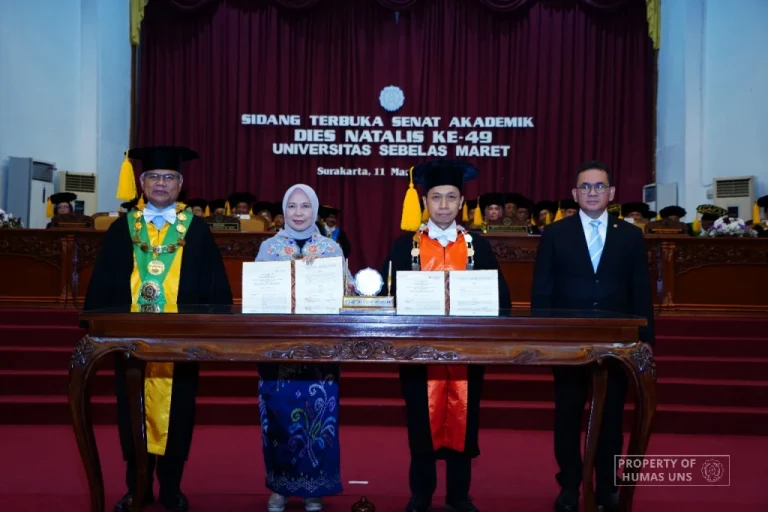
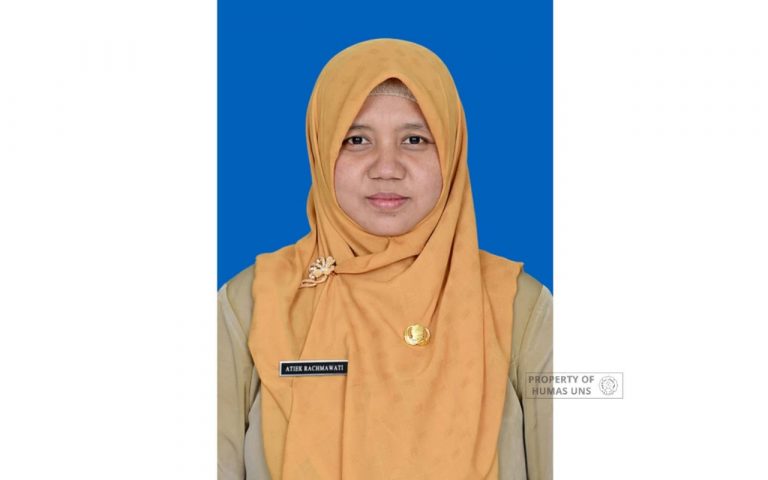
UNS – Prof. Dr. Erlyna Wida Riptanti, S.P., M.P., is a lecturer from the Agribusiness Study Program at the Faculty of Agriculture (FP) at Universitas Sebelas Maret (UNS) Surakarta. She has earned the prestigious title of Professor in Food Agribusiness. She received this honor during a formal inauguration ceremony held at UNS.
UNS Rector, Prof. Dr. Hartono, dr., M.Si., officially appointed Prof. Erlyna as Professor at the G.P.H. Haryo Mataram Auditorium on Monday (10/2/2025). During the event, Prof. Erlyna delivered an inaugural speech. The title of her speech was “Development of the ‘Porang’ (Amorphophallus muelleri Blume) Industry Towards the Global Market.”

Increasing Global Demand for Carbohydrate-Rich Foods
In her speech, Prof. Erlyna highlighted the growing global food consumption driven by population growth. She emphasized that the fundamental food need is carbohydrate-rich foods, primarily derived from cereals and tubers. Tubers, in addition to being carbohydrate sources, contain antioxidants that help protect the body from free radicals.
According to the Food and Agriculture Organization (FAO), Asia has seen an increase in tuber consumption. This includes both staple and complementary foods. In particular, the Pacific region incorporates tubers into its traditional food culture, contributing to the rising demand. Commonly consumed tubers include sweet potatoes, cassava, gadung (Dioscorea hispida), gembili (Dioscorea esculenta), talas (Xanthosoma sagittifolium), and porang.
Economic Potential of Porang
Among these tubers, porang has shown the most significant growth in production and processing due to its high economic value. The tuber contains glucomannan, a substance used in various industries. It serves as a thickening agent, emulsifier, stabilizer, and gelling agent in food, pharmaceutical, cosmetic, and chemical sectors.
Though porang, also known as “iles-iles,” has gained popularity recently, Indonesians have used it for centuries. During the COVID-19 pandemic, the demand for porang surged. At that time, sellers priced glucomannan-rich shirataki rice at over IDR 200.000 per kilogram. Meanwhile, they sold porang tubers in Madiun Regency for IDR 15.000 per kilogram.
“The development of the porang agro-industry brings substantial financial benefits. It also creates opportunities for product diversification, enhances farmers’ welfare, and boosts national export value,” Prof. Erlyna explained.
Porang’s Global Market Potential
Porang holds significant potential as one of Indonesia’s leading export commodities. However, its development requires technological support, processing innovations, and government policies.
Challenges remain in the market. Its monopsonistic nature limits access, price stability, and information flow for business actors. Technological issues include removing oxalic acid and glucomannan extraction—processes that many porang entrepreneurs have yet to master. Furthermore, strict import standards for porang products—whether tubers, chips, or crepes—pose additional barriers.
Collaboration for Industry Development
To foster a sustainable porang industry, Prof. Erlyna advocates for a penta-helix approach. This includes collaboration between the government, businesses, academia, communities, and media. This collaboration can strengthen every aspect of the porang value chain, from production to marketing.
The porang industry can thrive in both domestic and global markets by implementing suitable policies and advancing technology. Supporting research, diversifying products, empowering farmers, and improving supply chains are also essential for its growth.
“The penta-helix model is an effective framework for collaboration. It is also the key to enhancing the competitiveness and sustainability of Indonesia’s porang industry,” Prof. Erlyna concluded.
Rector’s Expectations for New Professors
Rector Prof. Hartono reminded newly inaugurated professors to utilize their expertise to contribute to sustainable development. He urged them to remain dedicated to producing high-quality scientific work that addresses societal and national challenges.
“I hope the newly appointed professors will contribute to solving various national and global challenges,” Prof. Hartono said.
The addition of new professors in the field of Food Agribusiness will help advance research efforts. This supports Sustainable Development Goal (SDG) Number 2: Zero Hunger. Professors in this field play a vital role in food security and efficient food distribution. They also contribute to developing innovative solutions to combat hunger.
HUMAS UNS