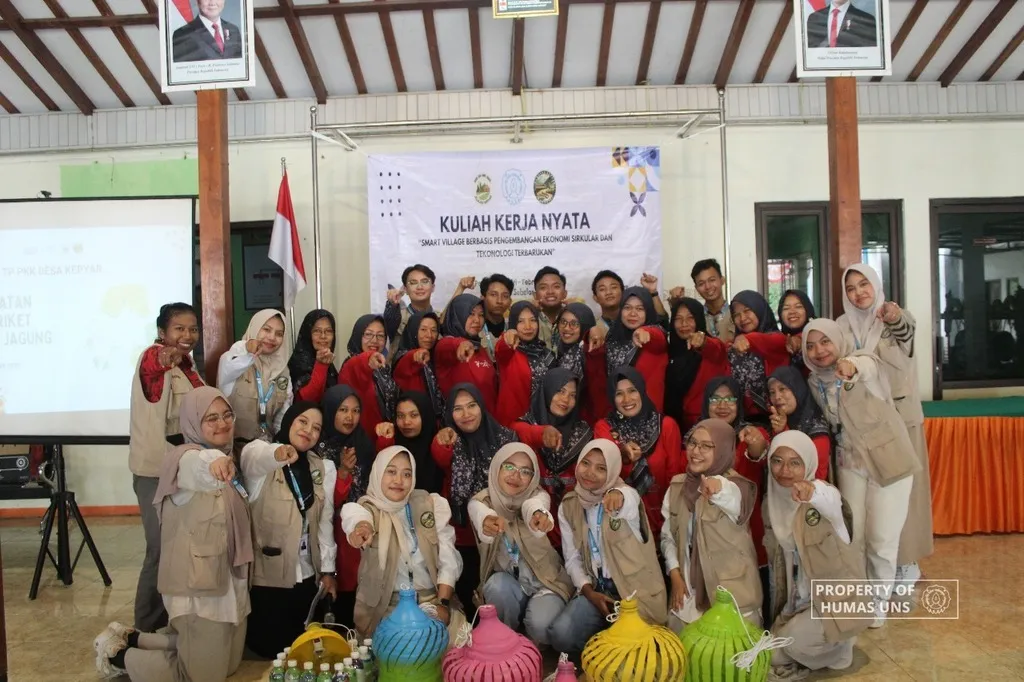
UNS – Students from Universitas Sebelas Maret (UNS) Surakarta participated in the Community Service Program (KKN) Group 133. They organized a hands-on training session on charcoal briquette production. This initiative aimed to provide Kepyar Village residents in Purwantoro District, Wonogiri Regency, with an alternative, eco-friendly fuel source.
Promoting Sustainable Energy in Kepyar Village
The Head of UNS KKN Group 133, Alif Ilham Virdaus, highlighted the program’s main goal. It aimed to educate the community about charcoal briquettes. Unlike firewood, briquettes offer a cleaner and more sustainable energy solution.
“Most Kepyar Village residents still use firewood for cooking, which contributes to deforestation and air pollution. To tackle this, we introduced ‘Production and Utilization of Charcoal Briquettes as an Alternative Energy Source for Stoves.’ This program primarily engages women from the village’s PKK (Family Welfare Empowerment) group,” Alif stated in an interview with uns.ac.id on Monday (17/2/2025).
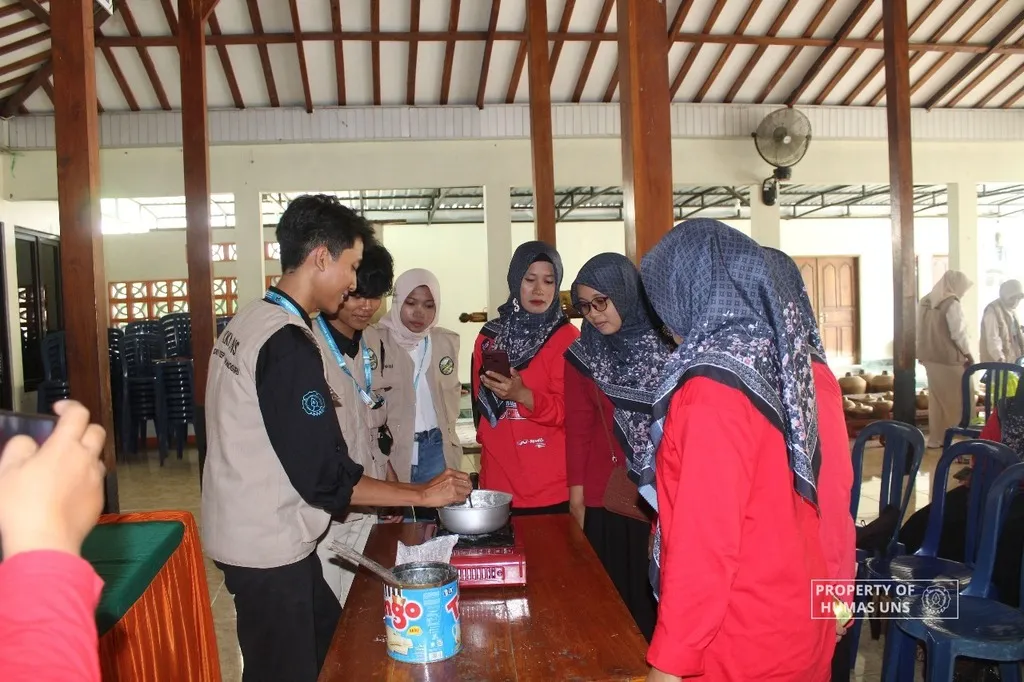
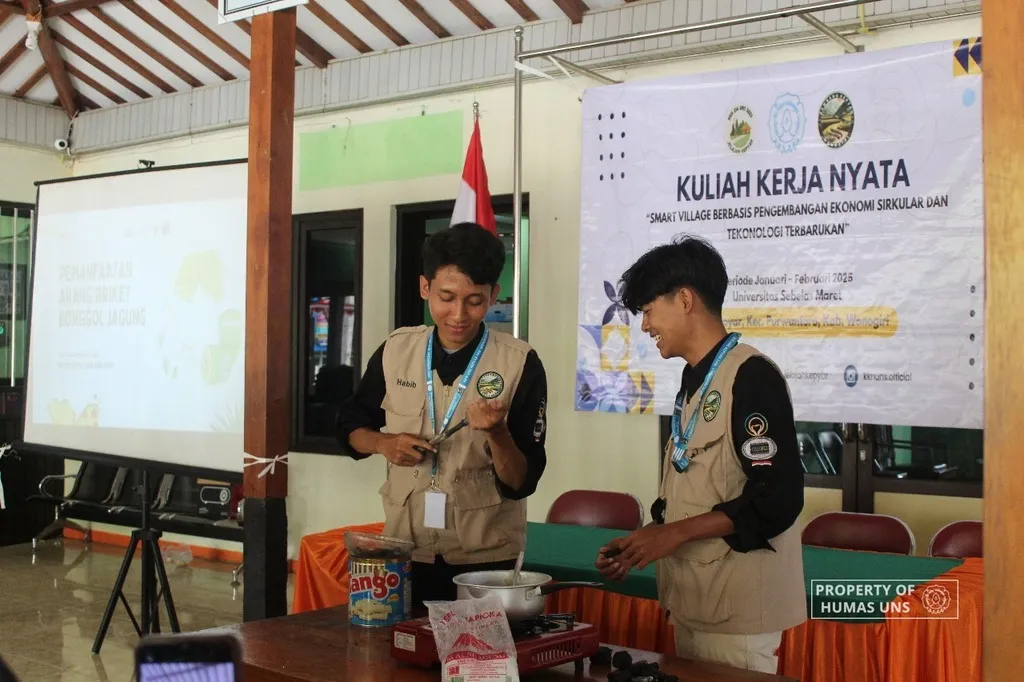
Using Local Organic Waste for Briquette Production
Alif explained that the training utilized organic waste such as sawdust, coconut shells, and agricultural residues. “By using locally available materials, the community can produce a cost-effective and sustainable fuel source,” Alif said.
Step-by-Step Charcoal Briquette Training
One of the program executors, Habib, detailed the training process. Participants learned how to:
- Gather raw materials such as corn cobs and sawdust.
- Carbonize the materials to turn them into charcoal.
- Grind the charcoal into fine powder.
- Mix it with a natural binder, like tapioca starch.
- Mold and dry the briquettes before use.
“We guided the participants through each stage, ensuring they understood and could apply the techniques effectively,” Habib explained.
Positive Impact on the Community
The training received enthusiastic feedback from the residents, especially PKK women. Eni, Head of Kepyar Village’s PKK, appreciated the initiative and its practical benefits.
“This program is significantly beneficial for us. Our village has plenty of discarded corn cobs, which often go to waste. Now, we can turn them into something valuable,” she said.
In addition, charcoal briquettes help reduce reliance on LPG gas, which often experiences price fluctuations and supply shortages. The initiative also opens business opportunities for residents interested in selling briquettes as an additional source of income.
Sustainable Future Prospects
Students from UNS KKN Group 133 hope Kepyar Village residents will continue developing their briquette-making skills. This initiative not only reduces excessive firewood consumption but also promotes sustainable energy practices.
“We encourage PKK women and other residents to apply this knowledge. With proper management, charcoal briquette production could become profitable, improving the local economy,” Alif noted.
This initiative showcases UNS students’ commitment to empowering rural communities through sustainable solutions. By promoting simple yet innovative alternatives like charcoal briquettes, villagers can access affordable, efficient, and environmentally friendly energy sources. The program also supports Sustainable Development Goal (SDG) 7: Affordable and Clean Energy, which advocates for reliable and modern energy access for all.
HUMAS UNS