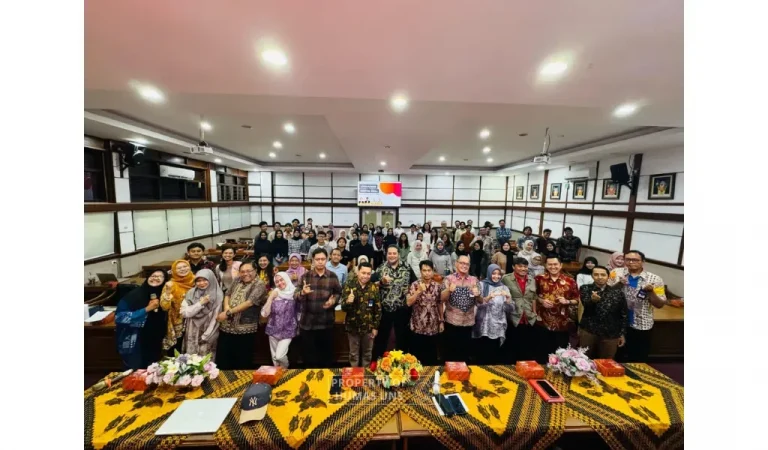
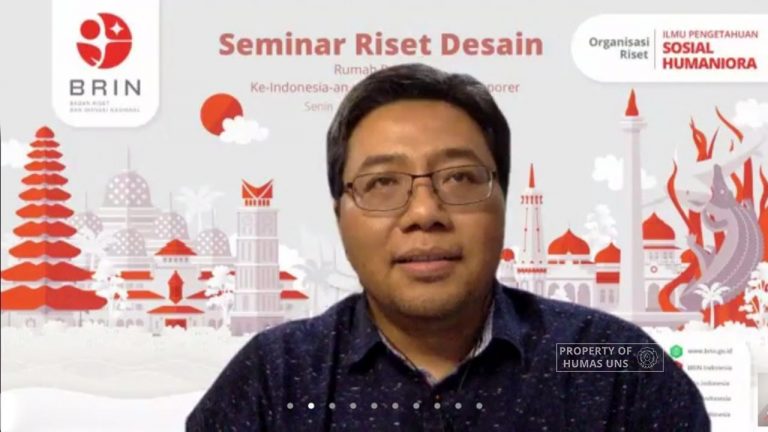
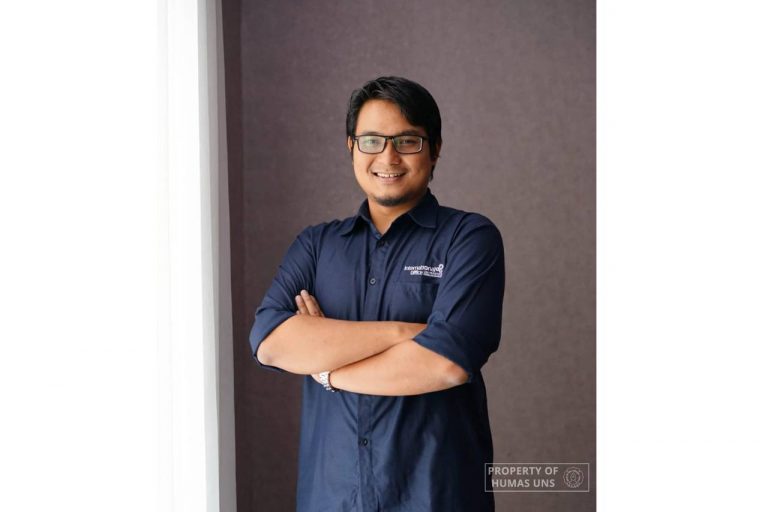
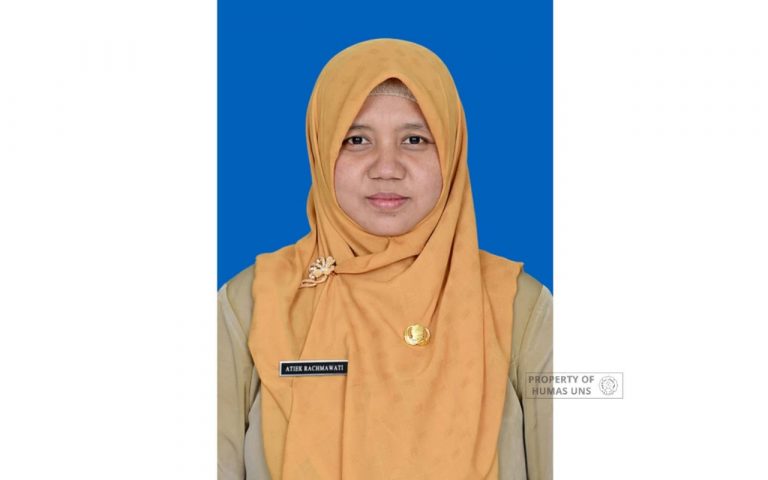
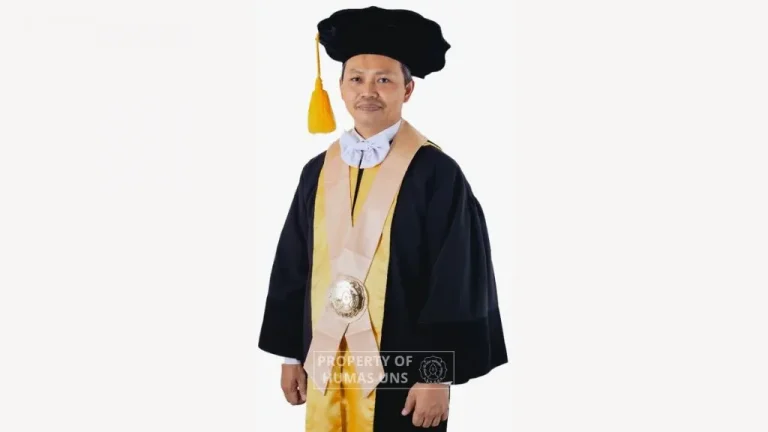
UNS – Dr. Muhammad Yunus Anis, S.S., M.A., a lecturer at Universitas Sebelas Maret (UNS) Surakarta, showcased his research in the international forum. It is an international academic forum in the United States. Dr. Anis is a lecturer of Arabic Literature in Faculty of Cultural Studies (FIB). Dr. Anis presented his findings at the “Asia in Conversation” event on Friday (25/4/2025). The organizer was the University of Wisconsin-Milwaukee (UWM).
The forum, part of the Community Empowerment & Institutional Inclusivity program, gathered scholars from various disciplines. They came together to explore Asia’s contributions to the development of knowledge, society, arts, and humanities. Dr. Anis received an invitation to present his research. He explored the significant relationship between the Arabic language and the preservation of local wisdom in Southeast Asia.
Research on Arabic’s Role in Cultural Preservation
Dr. Anis’s presentation was “Arabic and Preservation of Local Wisdom in Southeast Asia“. It explored the Arabic language’s role beyond religious functions. He discussed how Arabic has contributed to shaping the cultural, social, and societal values of Southeast Asia, particularly Indonesia. According to Dr. Anis, Arabic plays an active role in preserving local wisdom through religious literacy traditions within Muslim communities.
Dr. Anis also referenced classic works such as Syarah Al-Hikam by KH. Sholeh Darat from Indonesia. In addition, there was also Shaykh Abdullah Gangohi from India. These texts, which contain theosophical Sufi teachings, are not only religious but also serve as vehicles for transmitting local values. These works exist in Javanese, Malay, and Indonesian translations. They play an important role in strengthening cultural identity and preserving ancestral values in the face of modernization.
Dr. Anis’s Call for Collaboration in Preserving Heritage
Furthermore, Dr. Anis highlighted a critical gap in current research on language extinction. He cited studies showing that younger generations are increasingly abandoning heritage languages. He argued that the preservation of Arabic-language literature, including Pegon-script texts in Indonesia, is vital in combating cultural extinction.
“Despite the growing body of research on Arab culture’s influence in Asia, studies still lack focus on the Arabic language’s role. This gap highlights its importance in preserving local wisdom,” Dr. Anis emphasized.
Using Systemic Functional Linguistics, Dr. Anis analyzed the information structure in Syarah Al-Hikam. He examined both the original Pegon-script manuscript and its Indonesian translation. His findings revealed that translation is not merely about converting language but also shaping communication patterns between texts and readers. This emphasizes the importance of high-quality translations to maintain the cultural and spiritual values embedded in the texts.
In conclusion, Dr. Anis stressed the importance of collaboration among universities, Islamic boarding schools (pesantren), and research institutions. He specifically mentioned Indonesia’s National Research and Innovation Agency (BRIN) as a key partner in this effort. He advocated for the documentation and study of Pegon manuscripts. He also suggested that heritage text translations should incorporate modern translation theories to improve public accessibility.
Dr. Anis’s participation in this prestigious forum further reinforces UNS’s commitment to contributing to global academic dialogue. Dr. Xin Huang, Chair of the Women’s and Gender Studies Program at UWM, expressed hope for Dr. Anis’s work. She believes it will enhance global academic discourse. With its continued efforts, the Arabic Literature program at UNS will strengthen its position as a hub for high-quality academic research. It will contribute to the development of scholarship grounded in local culture. This aligns with UNS’s dedication to achieving SDG 4: Quality Education.
Humas UNS