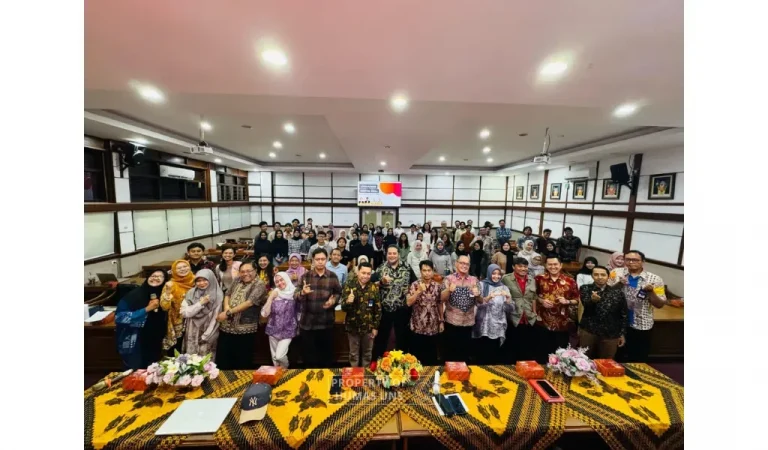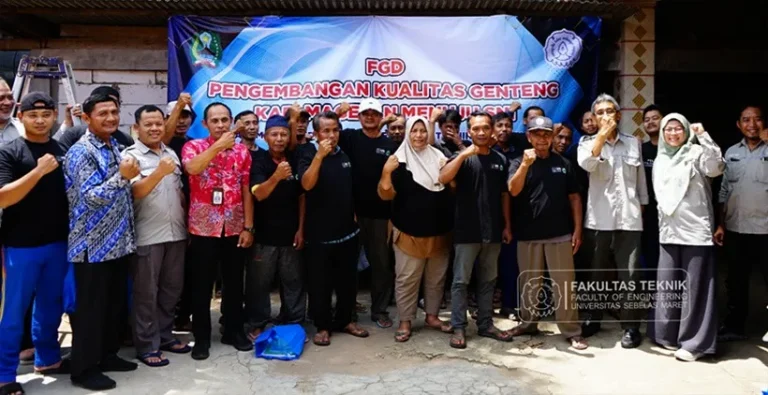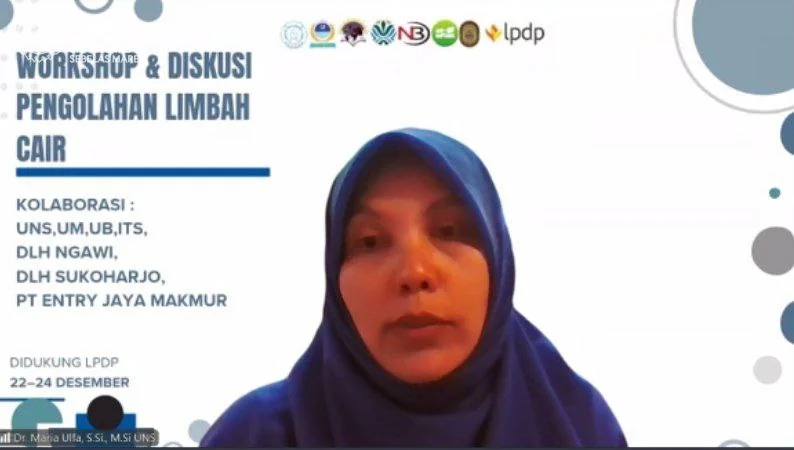
UNS — Universitas Sebelas Maret (UNS) Surakarta collaborated with Universitas Brawijaya (UB) Malang in organizing a Workshop, Discussion, and Research Consultation on Carbon Nitride for Wastewater Treatment, supported by LPDP 2025 funding. The activity also involved the Environmental Agency (DLH) of Sukoharjo Regency, the Environmental Agency of Ngawi Regency, and PT Entry Jaya to strengthen synergy among academics, local governments, and industry.
This workshop served as a platform to present the progress of developing a carbon nitride-based photocatalytic reactor designed to treat wastewater more effectively and in an environmentally friendly manner. The research team from UNS and UB Malang presented the reactor design development, photocatalyst material characterization, and the initial performance test results of the system in wastewater treatment.
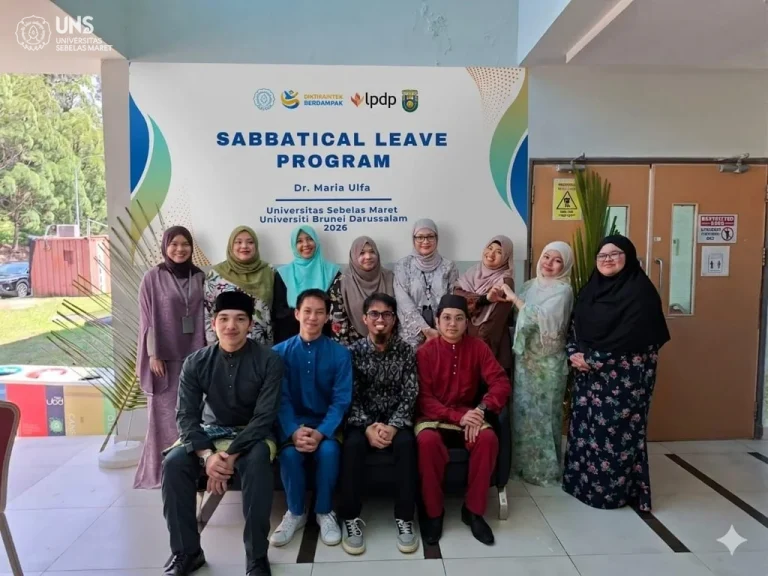
This research program is led by Dr. Maria Ulfa, S.Si., M.Si., along with members of the UNS Research team and several UNS students. As the team leader, Dr. Maria Ulfa revealed that the reactor development has now entered an advanced stage.
“The development process has begun entering the stage of integrating Internet of Things (IoT) applications, which allow real-time monitoring of wastewater conditions through the use of various sensors. However, the participation of partners is still needed to provide an overview of regional conditions so that the reactor’s potential can be maximized,” she explained to uns.ac.id on Monday (5/1/2026).
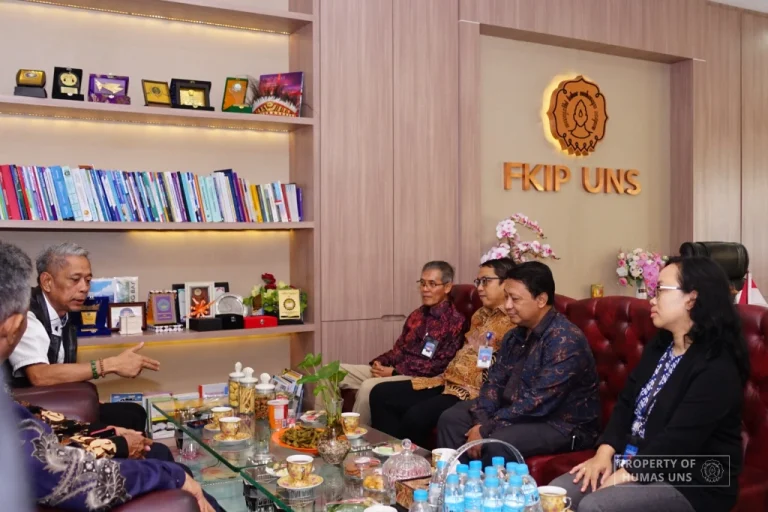
The discussion involving DLH and industry partners focused on the potential implementation of the technology in the field, technical challenges, and adjustments to the reactor design to suit the characteristics of wastewater in regional and industrial sectors.
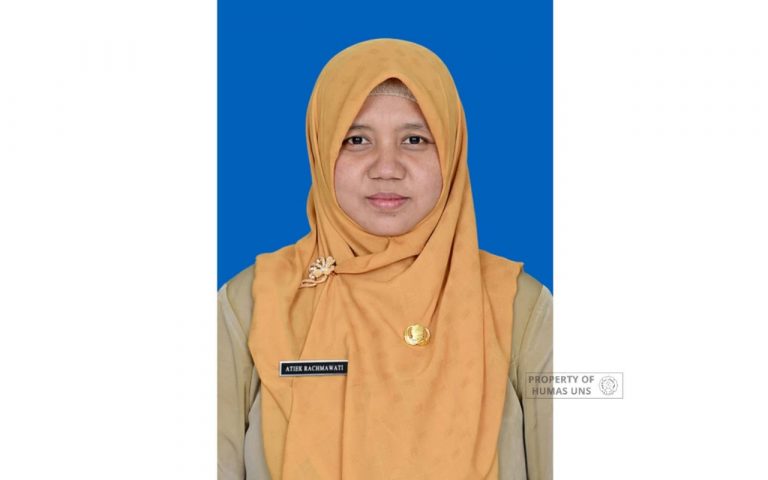
A representative from the Environmental Agency of Ngawi Regency, Dr. Anik Krisnawati, stated that the geographical conditions of the region present unique challenges in implementing real-time monitoring technology.
“Some of the challenges in Ngawi Regency include the long river flow and topographical conditions dominated by forest areas, which may create signal limitations for real-time data transmission,” she explained.
A similar view was shared by Dr. Sigit Samsunar, representing the Environmental Agency of Sukoharjo Regency. He mentioned that although Sukoharjo’s topography is relatively homogeneous, technical challenges still need attention.
“Sukoharjo’s regional conditions are relatively homogeneous in terms of topography, but implementing real-time monitoring systems in industrial areas still faces challenges, especially related to relatively high environmental temperatures that affect reactor performance,” he said.
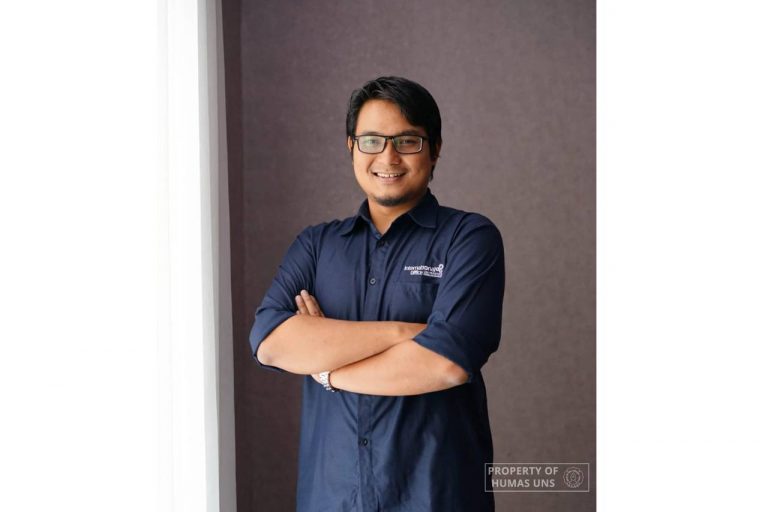
Meanwhile, Farit Ardiyanto, representing PT Entry Jaya, explained the progress from the reactor manufacturing side.
“The reactor manufacturing process has now entered the prototype development stage. The addition of various sensors and increasing the wastewater treatment capacity can be carried out once supporting resources are available,” he explained.
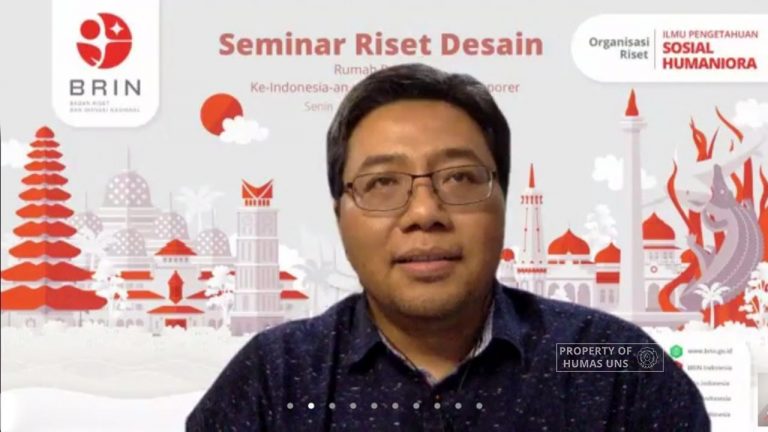
Valuable input was also provided by Denis Eka Cahyani, S.Kom., M.Kom., from the Mathematics Study Program at Universitas Negeri Malang (UM), who specializes in computation. He considered this product important in developing real-time environmental measurement tools.
The involvement of local governments and industry in this activity is an important aspect of aligning technological development with real needs in the field while also encouraging the sustainable implementation of research outcomes.
Representatives from DLH and industry partners provided input regarding the potential application of photocatalytic reactors in wastewater treatment installations, both in the industrial sector and in regional environmental management.
Through this collaboration, UNS, UM, and UB reaffirmed their commitment to producing research that is not only scientifically excellent but also has a direct impact on solving environmental problems. LPDP 2025 support is expected to accelerate the development and implementation of carbon nitride photocatalytic reactor technology for wastewater treatment in Indonesia.
HUMAS UNS