UNS — Have you ever experienced sharp radiating pain, tingling sensations, or even numbness in the back of your neck or lower back? These symptoms may indicate a pinched nerve. They are not merely “ordinary muscle aches,” but rather an “SOS” signal from the body that, if ignored, can lead to serious consequences and requires proper medical treatment.
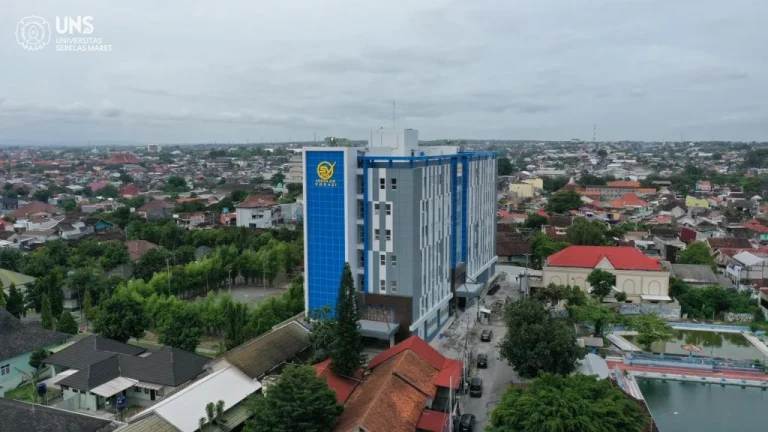
Neurology Specialist at Universitas Sebelas Maret Hospital (RS UNS), dr. Faris Khairuddin Syah, Sp.N., explained in more detail the definition of a pinched nerve, warning signs to watch out for, and various treatment options, including surgical procedures.
In medical terminology, a pinched nerve is referred to as radiculopathy. According to the Cleveland Clinic, this condition occurs when a nerve root along the spinal column is compressed or irritated. “A pinched nerve (radiculopathy) is like an electrical cable being trapped under a heavy object, causing the electrical flow (nerve signals) to become disrupted, resulting in pain or tingling,” explained dr. Faris, as quoted from rs.uns.ac.id on Thursday (29/1/2026).
The human spine consists of 33 individual bones called vertebrae. Between these bones are intervertebral discs, which are soft, cushion-like structures that function as shock absorbers and provide flexibility to the spine.
From the spinal cord area, there are 31 pairs of nerve roots that branch out through small openings called intervertebral foramina. A pinched nerve occurs when these spaces narrow or when other tissues, such as bones, intervertebral discs, muscles, or tendons, press against the nerve.
Pinched nerves can occur in various locations, including the neck (cervical), upper or middle back (thoracic), or lower back (lumbar). The most common cases are found in the neck (cervical) and lower back (lumbar), often causing pain that radiates to the arms or legs. To establish a diagnosis, doctors perform physical examinations, review medical history, conduct Electroneuromyography (ENMG), and use imaging tests such as MRI or CT scans to accurately assess the nerves and surrounding tissues.
Causes
The causes of a pinched nerve vary widely, ranging from sudden trauma and lifestyle factors to aging processes or a combination of these.
Several triggering factors include:
First, degenerative factors (aging).Second, herniated discs, which are the most common cause, where the intervertebral disc protrudes and presses on the nerve.Third, bone spurs, which are abnormal bone growths often associated with osteoarthritis in individuals over 50 years old.Fourth, spinal stenosis, which is the narrowing of the spinal canal.Fifth, arthritis, including osteoarthritis and rheumatoid arthritis.Sixth, spondylolisthesis, a condition where one vertebra slips out of its normal position.
“In addition, lifestyle factors also play a role. Injuries from accidents or falls, excessive physical activity—especially frequent bending—poor posture, obesity, and Diabetes Mellitus can also contribute,” he added.

Symptoms of a pinched nerve can occur in both the short and long term and usually worsen with certain movements. The main symptom is pain in the affected area, which may feel sharp, throbbing, or like a burning sensation.
Other accompanying symptoms include numbness in the compressed nerve area, tingling sensations similar to a leg “falling asleep” after sitting cross-legged, weakened muscle function around the affected nerve, and reduced reflexes in certain parts of the body.
Treatment Options
Most cases of pinched nerves can be managed conservatively without surgery. The first step is resting the affected area and avoiding triggering activities. However, the common myth is that patients must have complete bed rest. In fact, prolonged bed rest can delay recovery, while light physical activity and exercise are strongly recommended.
Other treatment options include temperature therapy, such as cold compresses to reduce inflammation within the first three days after pain appears, followed by warm compresses to improve blood circulation and relax muscles after three days.
Medication therapy may also be used, including drugs such as ibuprofen, diclofenac, muscle relaxants, anti-seizure medications, and corticosteroids, all according to a doctor’s prescription.
“Physiotherapy is another option, involving special exercise programs to strengthen muscles, improve flexibility, and reduce pressure on the nerves.
Epidural steroid injections may also be performed if other therapies are unsuccessful, by injecting corticosteroids directly into the inflamed nerve area.
Based on literature from the Mayo Clinic, surgery is considered if pain does not improve after several months of conservative treatment. Surgery may also be necessary if there is limb weakness or urinary and bowel dysfunction related to the pinched nerve. Procedures may include radiofrequency treatment or decompression surgery using various methods.
“Do not let a pinched nerve limit your life. With proper medical treatment and rehabilitation, recovery is highly possible. Consult your symptoms at the Neurology Clinic of RS UNS for accurate and appropriate treatment,” he concluded.
HUMAS UNS