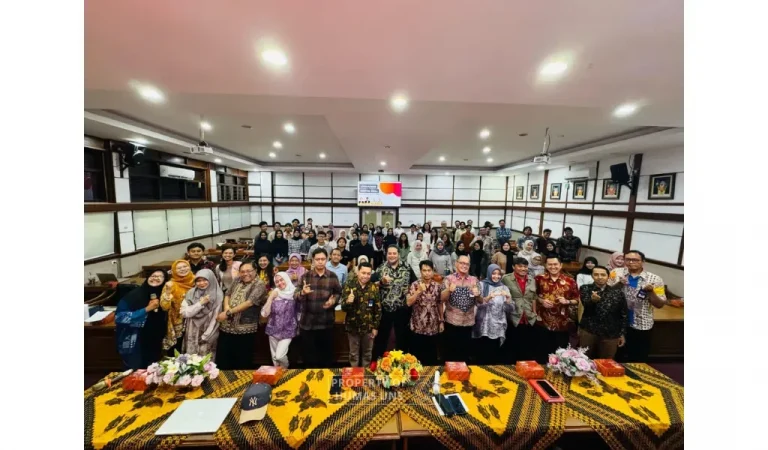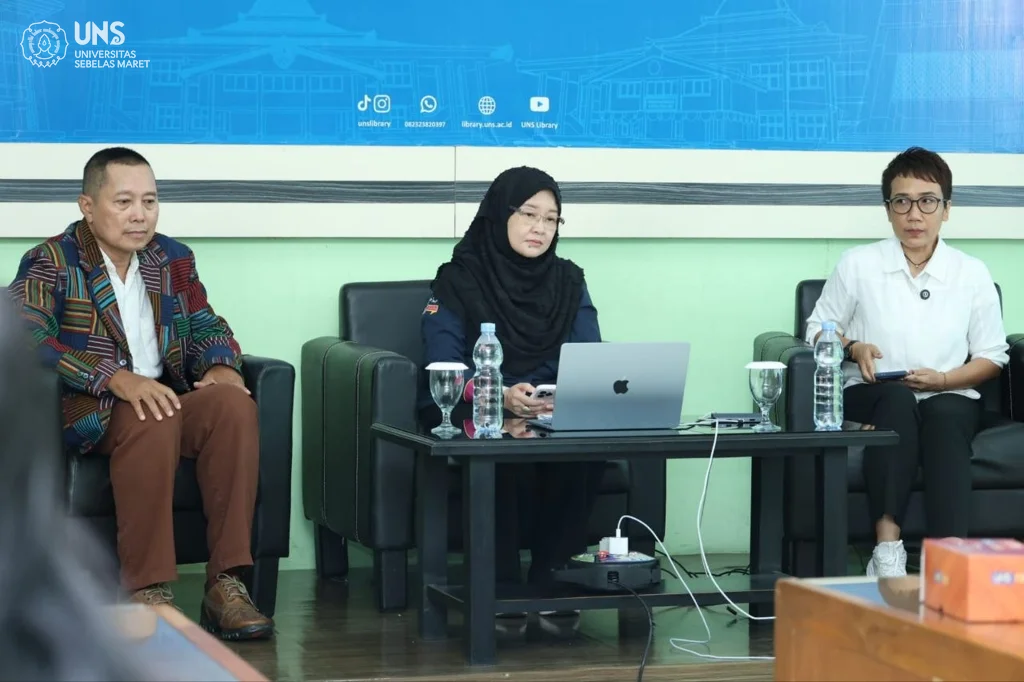
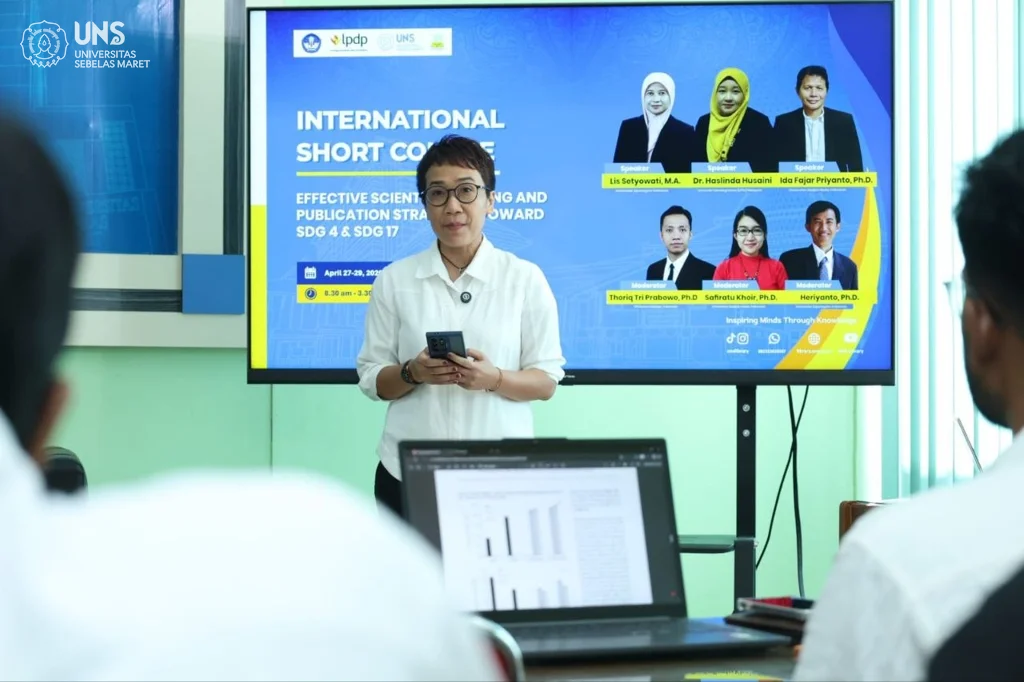
UNS — The Library Unit of Universitas Sebelas Maret (UNS) Surakarta once again demonstrated its commitment to supporting the achievement of the Sustainable Development Goals (SDGs) by organizing the International Short Course on SDGs: Effective Scientific Writing and Publication Strategies toward SDG 4 and SDG 17. The event took place over three days, from April 27 to 29, 2026, in a hybrid format at the UNS Library.
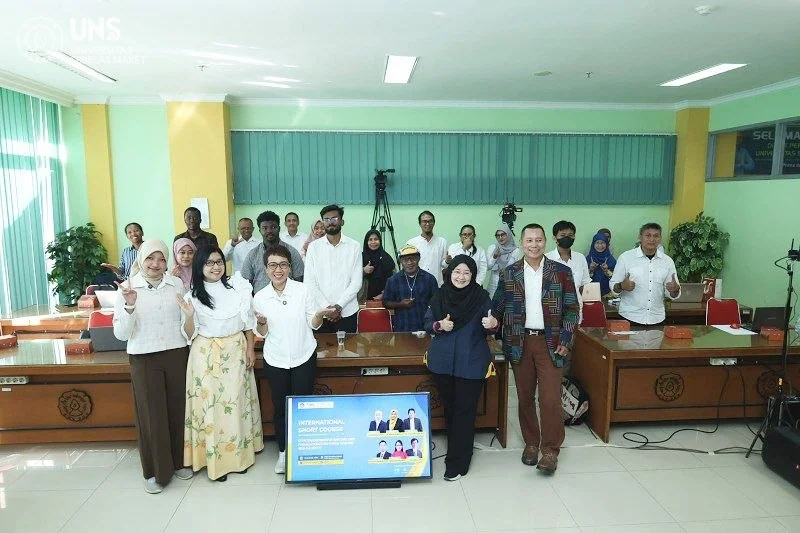
This international program was attended by approximately 182 participants from diverse backgrounds, including UNS students as well as students from other universities across Indonesia. International participants also joined from countries such as Pakistan, Cambodia, Malaysia, and the Philippines. Additionally, UNS international students from Malaysia, Ghana, Pakistan, Cambodia, Tanzania, and the Philippines took part in the short course.
In her opening remarks, the Vice Rector for Academic and Research Affairs of UNS, Prof. Dr. Fitria Rahmawati, emphasized that the event serves as an important momentum to strengthen perspectives on scientific publication as part of inclusive global development. The principle of “no one is left behind” was highlighted as a key foundation, underscoring that no individual, institution, or country can tackle global challenges alone. Therefore, collaboration through data sharing and transparent communication is essential, in line with SDG 17 on global partnerships.
Furthermore, the event also highlighted the importance of improving education quality as outlined in SDG 4. Quality education is not limited to classroom learning but also includes the continuous creation, development, and dissemination of knowledge.
Scientific writing is viewed as a strategic element connecting these two goals. Through scientific writing, local research findings can be elevated into global solutions with wide-reaching impact. Therefore, participants were encouraged to actively engage with speakers and fellow participants and to optimize their research potential to contribute to public policy, education systems, and humanity.
Prof. Fitria expressed appreciation to all parties involved in the successful organization of the event, especially the experts and speakers who shared their knowledge and experiences.
“With a spirit of collaboration and strengthened academic capacity, I hope this activity will produce high-quality scientific works that contribute to achieving the SDGs, particularly in education and global partnerships,” she stated.
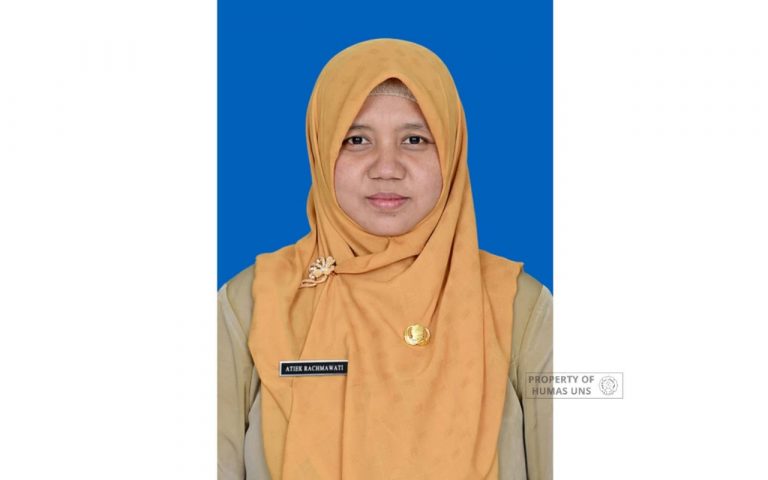
Meanwhile, the Head of the UNS Library Committee, Prof. Dr. Argyo Demartoto, accompanied by the Head of the UNS Library Unit, Riah Wiratningsih, explained that UNS received funding support from the Indonesia Endowment Fund for Education (LPDP) through the equity program, aimed at achieving Key Performance Indicators (IKU) of higher education institutions.
As a response to this program, UNS organized academic writing training designed for academics to enhance their capacity in producing high-quality scientific publications accessible to a wider audience.
The training lasted three days and adopted an international concept, involving participants from various backgrounds, including students and academics from both domestic and international institutions. Participants showed high enthusiasm, reflected in strong participation and positive responses to the materials and discussions.
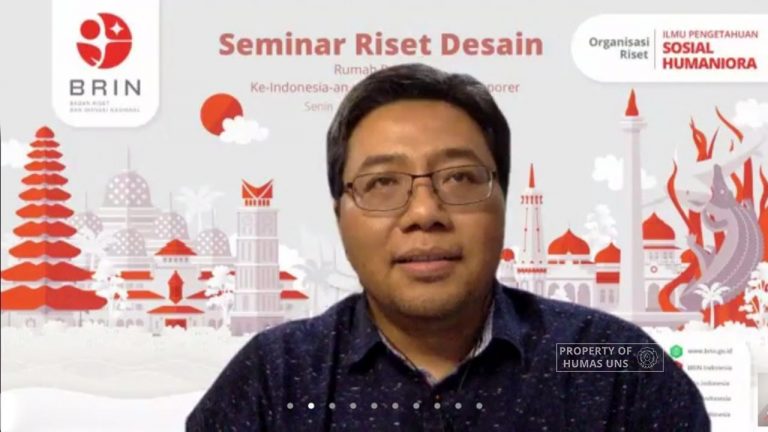
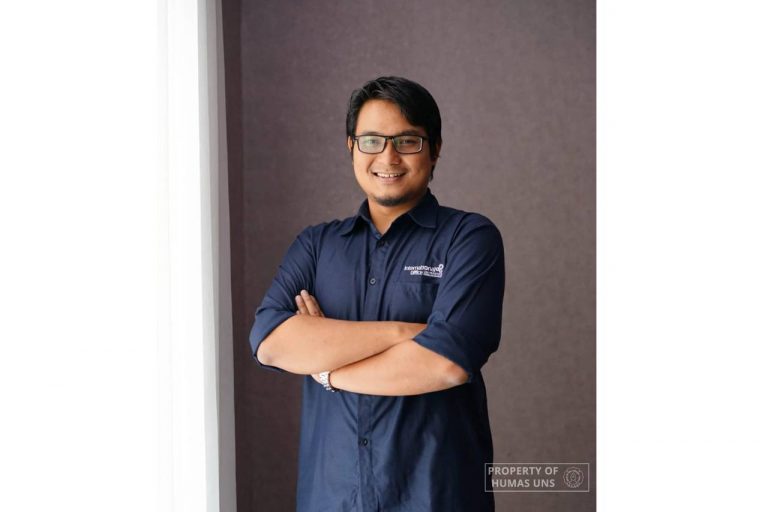
To ensure the quality of the training, UNS invited speakers from several renowned institutions, including Universiti Teknologi Malaysia (UTM), Universitas Gadjah Mada (UGM), Universitas Diponegoro (Undip), and UIN Sunan Kalijaga. The speakers were both practitioners and academics with extensive experience in scientific writing and international publication.
Through this event, UNS reaffirmed the importance of disseminating research and community service outcomes. Scientific works should not remain merely as institutional repository archives but must be widely published to provide tangible contributions to society and sustainable development.
“This initiative is a strategic step in strengthening the academic culture on campus. In addition to improving the quality of scientific publications, it also opens broader opportunities for international collaboration among the UNS academic community,” said Prof. Argyo.
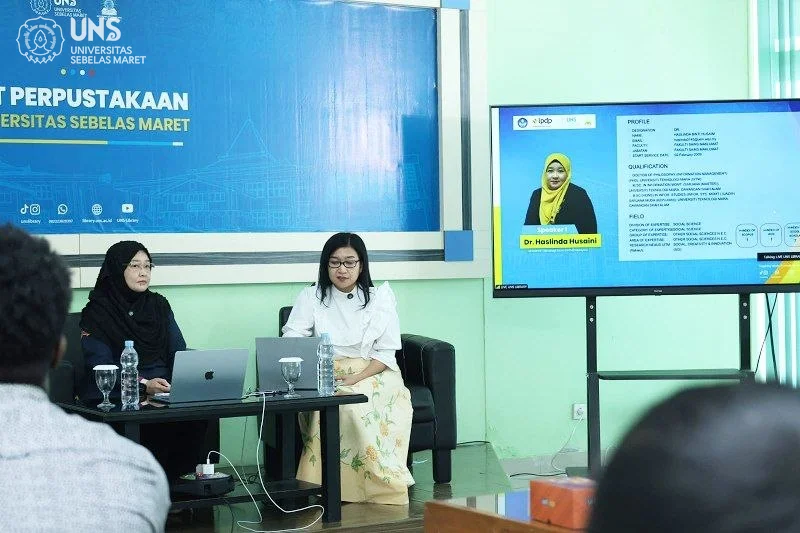
On this occasion, one of the speakers, Dr. Haslinda Husaini from Universiti Teknologi MARA (UiTM) Malaysia, delivered a presentation on the structure of scientific articles (IMRaD) and the role of scientific writing in improving education quality. Her session was followed by discussions and a manuscript review workshop led by Safiratu, Ph.D., from Universitas Gadjah Mada.
HUMAS UNS