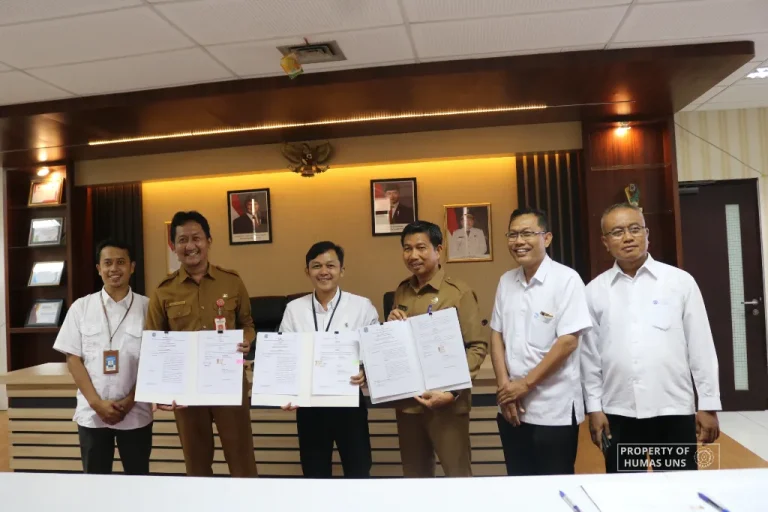
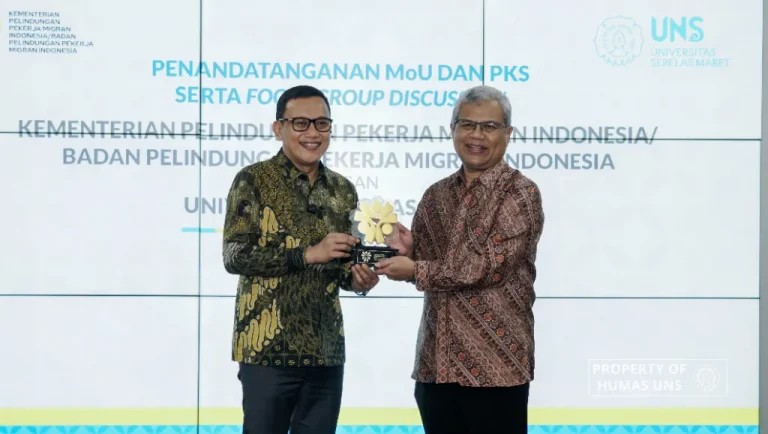
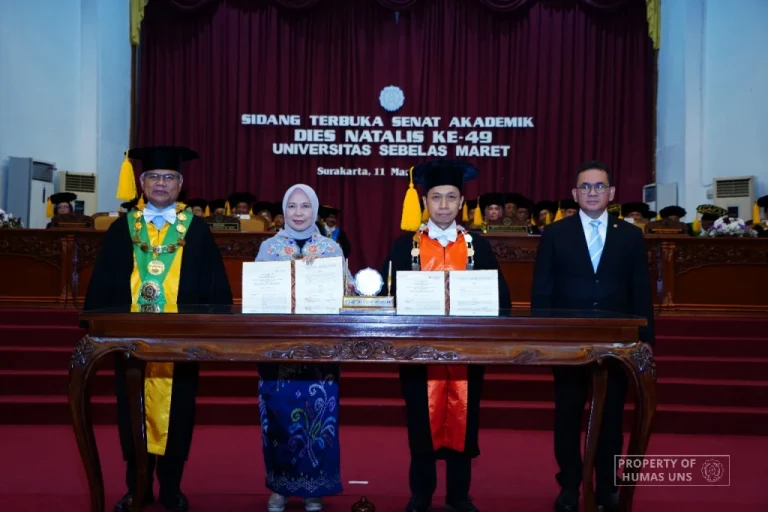
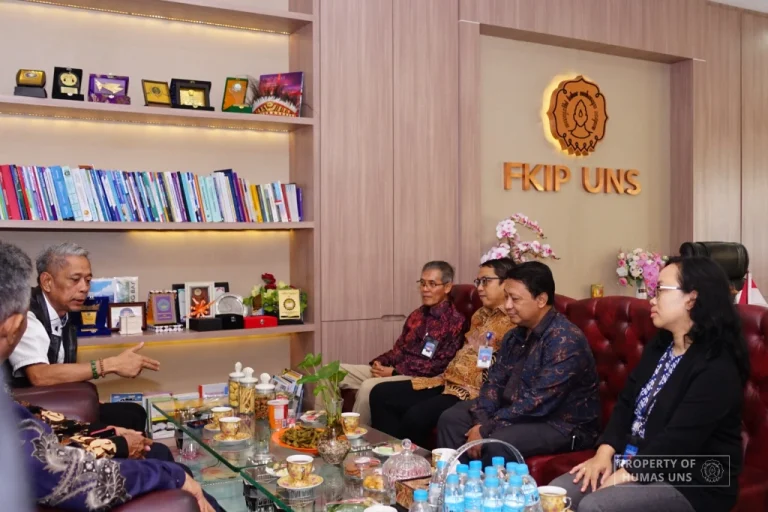
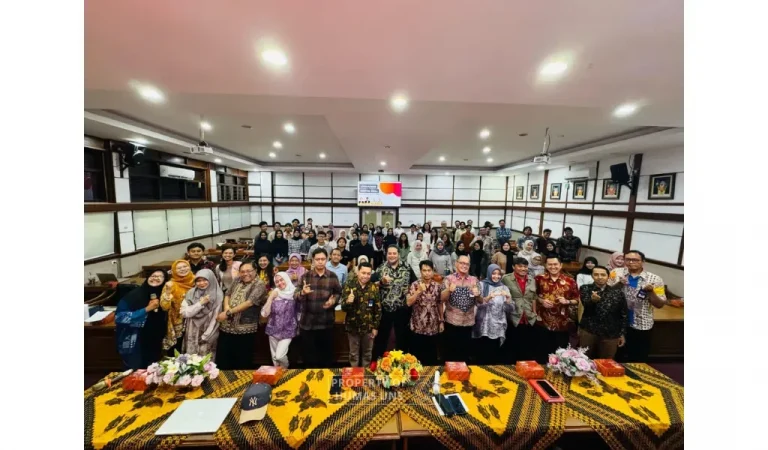
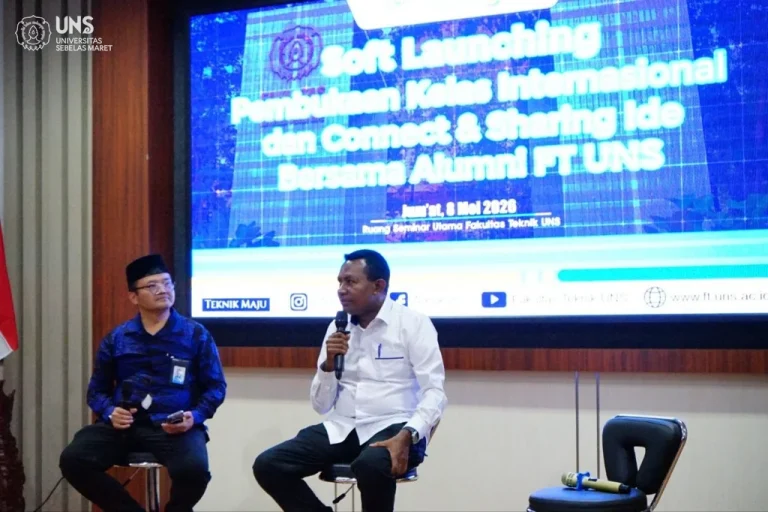
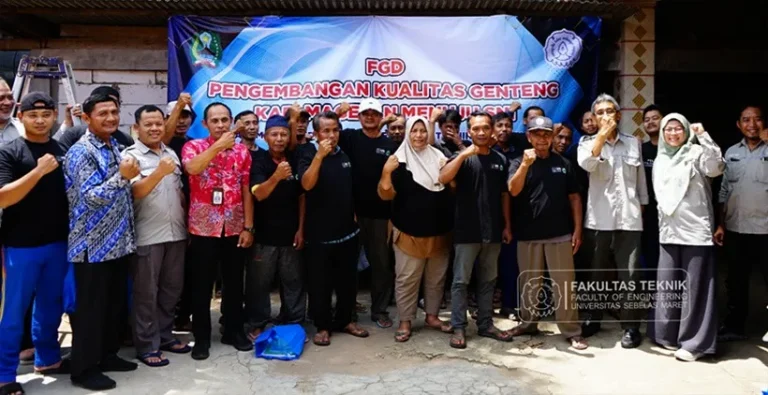
UNS – In implementing the Higher Education Tri Dharma particularly in community service, the Social History Research Group of Historical Science Program Faculty of Cultural Studies (FIB) Universitas Sebelas Maret (UNS) Surakarta held a public discussion on counter radicalism. Attended by 35 participants that consist of students, teachers, managers of Islamic boarding school, and the members of Social History Research Group, the event was held in Pondok Pesantren Al Muayyad Windan Makamhaji Surakarta, on Wednesday (2/9/2020).
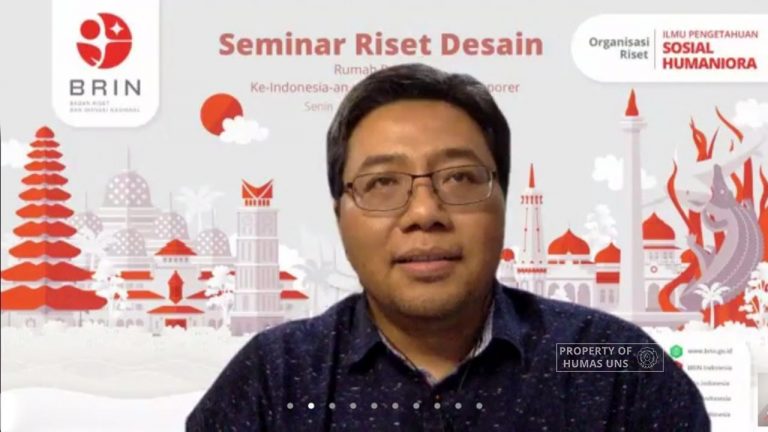
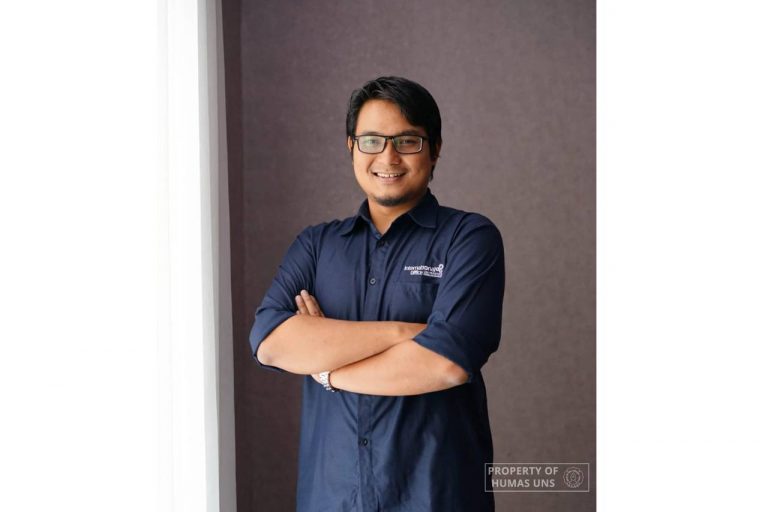
The event was opened by the Chief of Social History Research Group of Historical Science Program FIB UNS, Prof. Warto followed by a remark from the Chief of Al Muayyad Foundation, Nur Sodiq, S.E, M.M. The speaker in the public discussion is KH. Drs. Dian Nafi caregiver of Ponpes Al Muayyad Windan and M. Bagus Sekar Alam, S.S, M.Si with Waskito Widi Wardojo, M.A as moderator, both are from Historical Science Program.
Prof. Warto stated that religious radicalism which affects Indonesia recently is not only a problem between religious communities but also a problem for the country. The dissemination of religious radicalism currently not only penetrating educational institutions but also on social media and the internet. These two places become an open space for the growth of religious radicalism.
Therefore, the optimization of Pondok Pesantren Nahdlatul ‘Ulama (NU) role in the community needs to be strengthened. A collaboration between Islamic boarding schools and the university is needed to strengthen nationalism and religious values to ward off radicalism in society and the world of education.
In his explanation on the root of radicalism from the historical point of view, M. Bagus Sekar Alam stated that the founding fathers of Indonesia have agreed on a political consensus that Indonesia is based on religion (Islam), but Pancasila and UUD 1945. Religion is not used as the basis for governing the state but is positioned as a guideline for behavior in everyday social life. The country is based on the belief in the one and only God. The first precept of Pancasila, the belief in the one and only God is the meeting point of state and religious affairs.
“The religious diversity in Indonesia is one of the spirits of integrity in Indonesia. The relation between the state and religion is a mutualism symbiotic, a give and take relationship. Indonesia is not a religious stated because religious stated based on only one religion, but Indonesia is Pancasila state, is not a secular state because the secular state does not want to be involved in religious matters at all,” Bagus explained in a release received by uns.ac.id, Saturday (5/9/2020).
In the same occasion, K.H. M. Dian Nafi’, the caretaker of Pondok Pesantren Al Muayyad Windan Makamhaji conveyed his thought on the condition and the root of radicalism in Solo. He discussed the definition and forms of radicalism, its development in the modern era and the propositions that strengthen fraternal relations and tolerance. “Indonesian with diverse cultures is a nation that respects diversity,” K.H. Dian Nafi’ stated. Humas UNS
Reporter: Dwi Hastuti