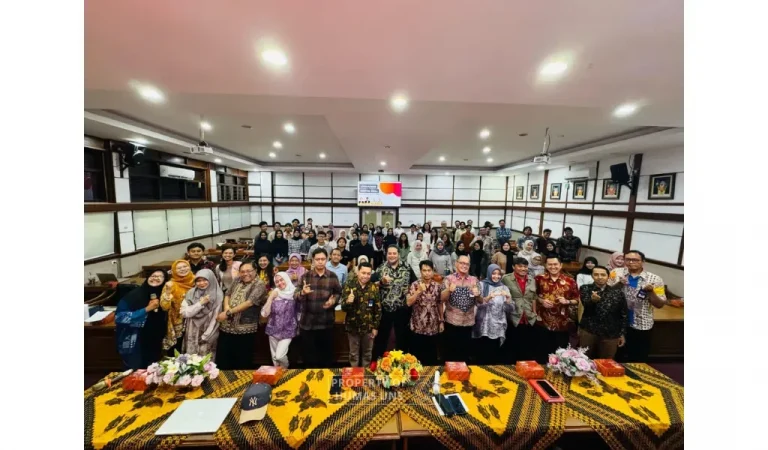
UNS – The Faculty of Mathematics and Natural Sciences (FMIPA) at Universitas Sebelas Maret (UNS) Surakarta is continuing its tradition of tree planting for lecturers who have recently completed their doctoral degrees as part of an ongoing environmental preservation initiative on campus. In 2024, FMIPA welcomed seven new doctors who participated in a tree-planting ceremony, reinforcing the faculty’s commitment to environmental sustainability while celebrating the academic achievements of its lecturers.
The tree-planting tradition serves as a meaningful gesture aimed at making a positive contribution to environmental conservation. Aligned with FMIPA’s vision of balancing academic accomplishment with ecological awareness, each newly graduated doctor is required to contribute a tree, which is then planted around the faculty grounds as a symbol of their dedication to environmental stewardship.
This tradition goes beyond graduation festivities, serving as a symbol-laden practice rooted in the commitment to ecosystem balance and improving the environmental quality around the FMIPA campus. Every tree planted has a specific purpose, such as enhancing air quality, providing shade, and supporting local biodiversity to foster a balanced ecosystem.
During the ceremony on Friday (10/4/2024), the Dean of FMIPA, Dr. Desi Suci Handayani, S.Si., M.Si., expressed pride in the newly graduated doctors for achieving the highest academic degree, emphasizing that the tree-planting ceremony represents a tangible step toward sustainability. “By planting a tree, we not only celebrate academic milestones but also leave a lasting environmental legacy for future generations,” Dr. Desi said.
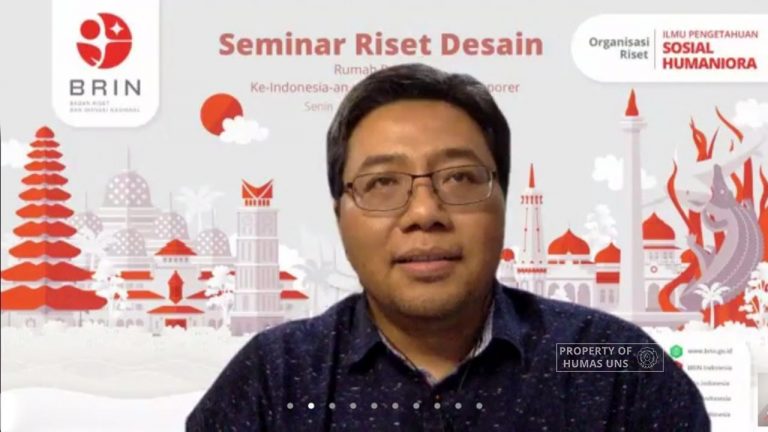
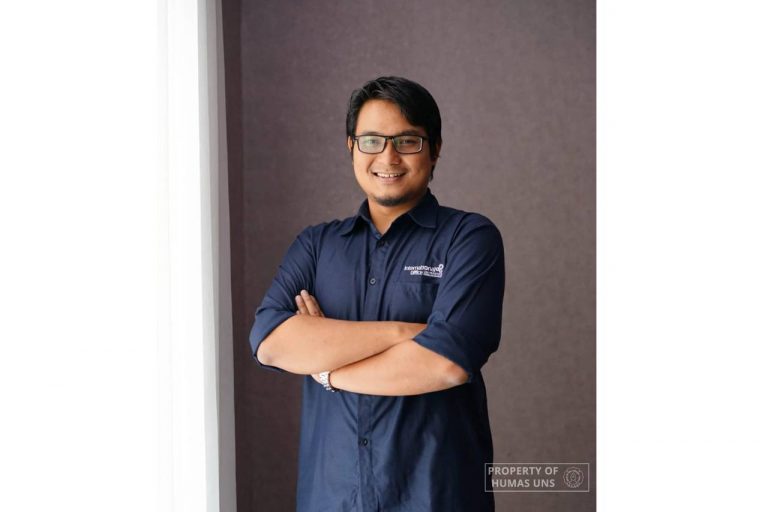
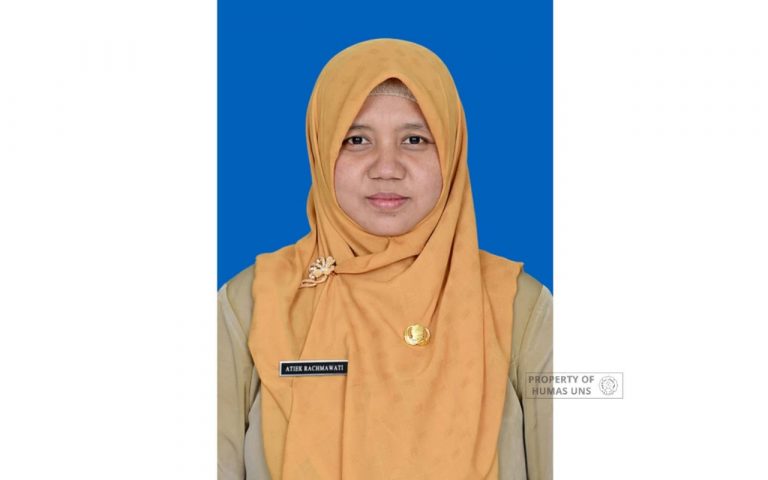
The tree species selected are chosen for their long-term ecological benefits. For instance, Dr. Siti Rachmawati, S.ST., M.Si., and Dr. Hashfi Hawali Abdul Matin, S.T., M.Ling., planted Dewandaru trees, known for their aesthetic appeal and environmental benefits. Similarly, Dr. apt. Rita Rakhmawati, S.Farm., M.Si., planted a Nyamplung tree valued for land reclamation and shade, while Dr. Drs. Suharyana, M.Sc., contributed a Keben tree, a rare plant with symbolic cultural significance in Indonesia.


The Sala, Matoa, and Ylang-ylang trees planted by Dr. Sorja Koesuma, S.Si., M.Si., Dr. Tjahjadi Purwoko, S.Si., M.Si., and Dr. Supriyadi Wibowo, S.Si., M.Si., respectively, further enrich campus biodiversity, marking FMIPA’s commitment to environmental heritage.
The tree-planting initiative is part of FMIPA’s broader commitment to creating a greener, more sustainable campus environment. In addition to tree planting, FMIPA actively engages in other eco-friendly programs, such as biopore hole installations, organic waste management, and carbon emission reduction by expanding green spaces on campus.
FMIPA continues to encourage active involvement from all members of its academic community, both faculty and students, in various environmental initiatives. Alongside educational efforts, the faculty also plans to expand collaborative programs with relevant institutions to strengthen this commitment.
With the addition of seven new doctors who have participated in the tree-planting tradition, FMIPA UNS has solidified its reputation as a faculty that excels not only academically but also in environmental responsibility. This initiative is intended to serve as a model for other faculties at UNS and across Indonesia.
Dr. Desi concluded the ceremony with the hope that each tree planted today will thrive and benefit the campus environment and surrounding community. “Through every tree we plant, we are investing in a greener, more sustainable future,” she remarked.
This tradition reaffirms FMIPA UNS’s commitment to graduating students who not only excel academically but also embody a deep concern for environmental conservation. The tree-planting ceremony stands as a testament to the faculty’s dedication to preserving nature amidst growing challenges posed by climate change and environmental degradation.
The annual tree-planting ceremony for new doctor graduates is expected to continue, reflecting FMIPA’s dedication to celebrating academic achievements while actively supporting environmental sustainability.
HUMAS UNS