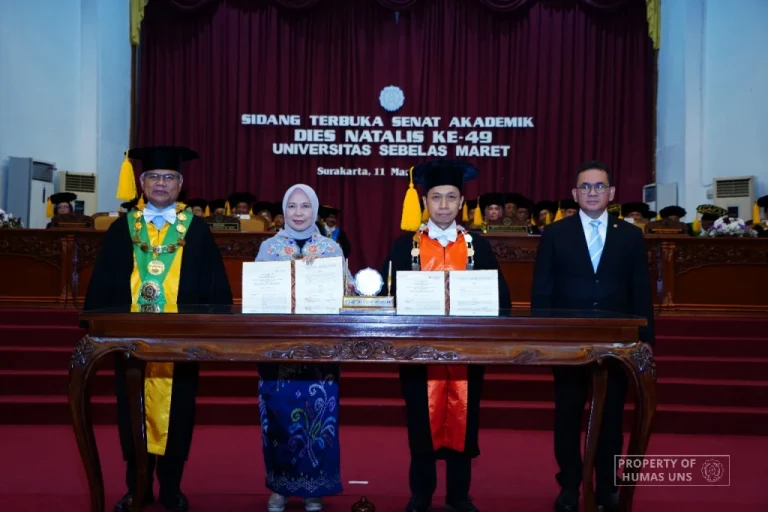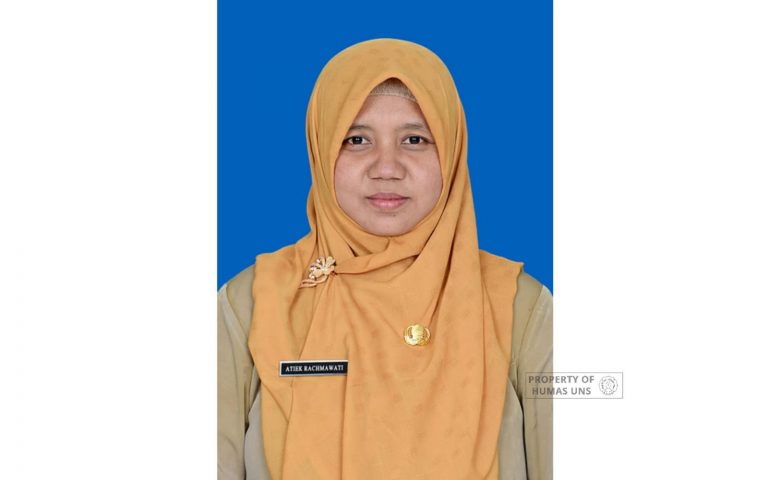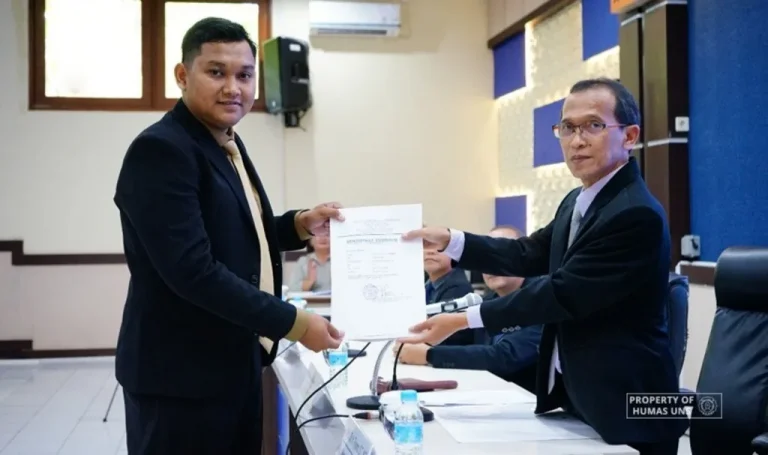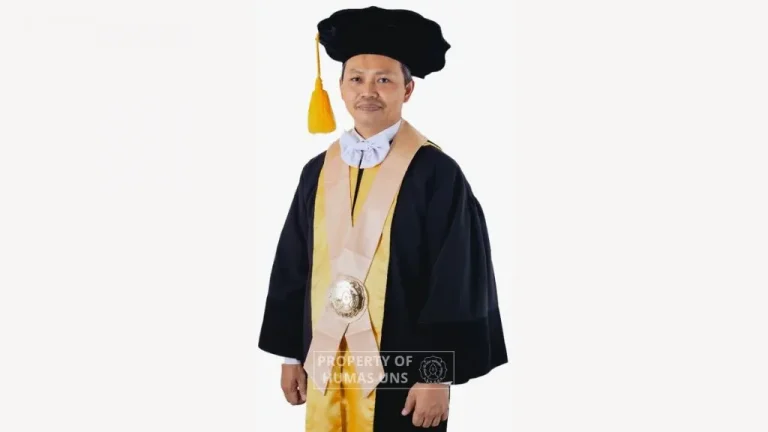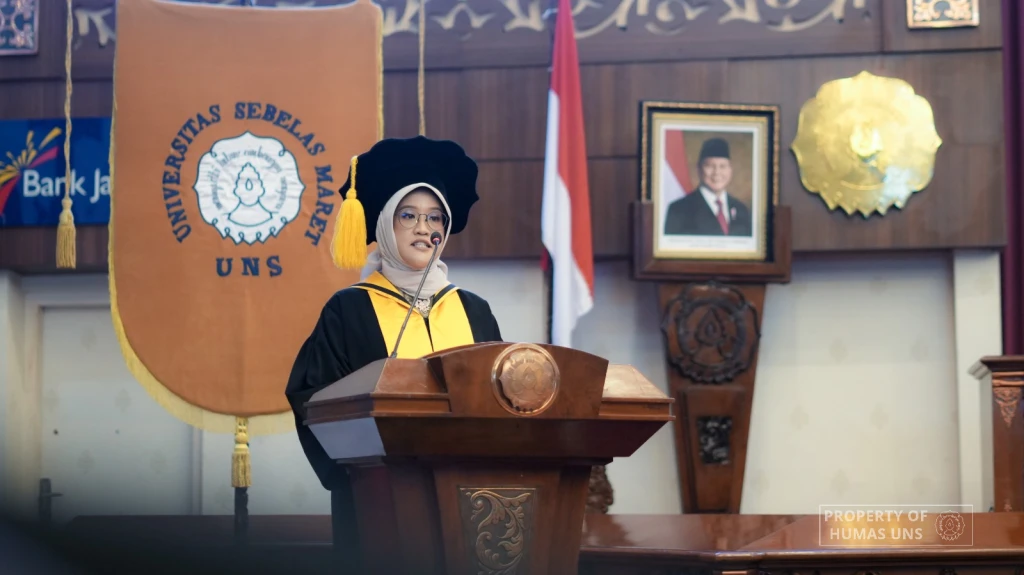
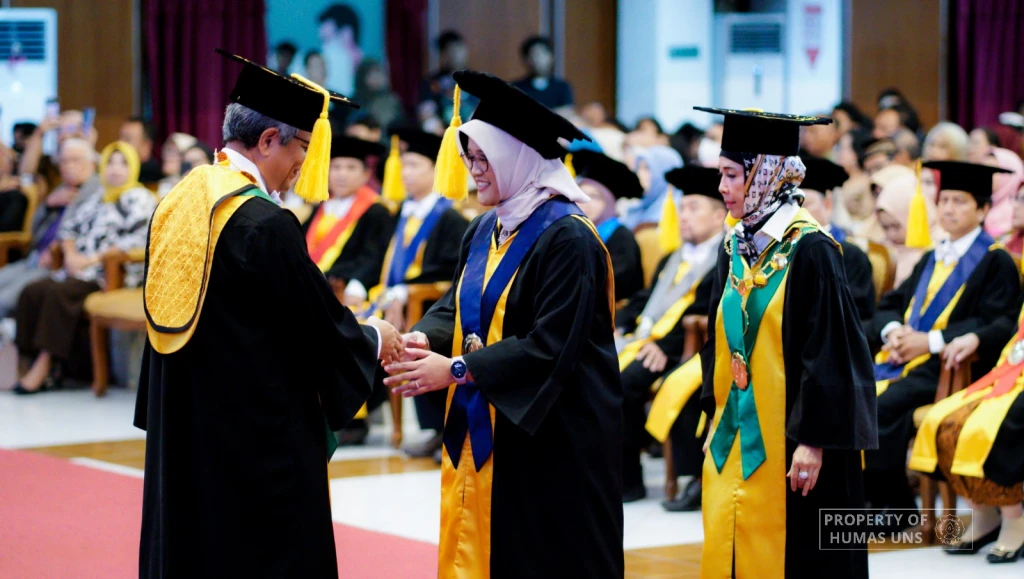
UNS – The Faculty of Engineering (FT) at Universitas Sebelas Maret (UNS) Surakarta has officially appointed a new Professor in Project Management. The Rector of UNS, Prof. Dr. Hartono, dr., M.Si., awarded this title to Prof. Dr. Ir. Retno Wulan Damayanti, S.T., M.T. The ceremony took place at the G.P.H. Haryo Mataram Auditorium on Wednesday (12/2/2025).
The Importance of Sustainable Project Management
Prof. Retno Wulan Damayanti is the 40th Professor in the Faculty of Engineering and the 360th at UNS. In her inaugural speech, she delivered a lecture titled “Harmonizing Humans and Technology for Sustainable Project Management.” The topic highlights the multidimensional challenges of integrating technology with human activities sustainably.
During her speech, Prof. Retno emphasized that human civilization has always sought to overcome limitations, driving technological innovations that transform project management. She illustrated this by comparing the construction timelines of two major projects: the National Monument (Monas), completed in 14 years (1961-1975), and Thamrin Nine Tower 1 in Jakarta, which took only four years (2017-2021). In the aerospace sector, she cited SpaceX’s reusable rocket technology as proof that human imagination, combined with innovation, can turn ambitious ideas into reality.
During her speech, Prof. Retno stated that human civilization constantly overcomes limitations, driving technological innovations in project management. She compared the construction timelines of two major projects. They are the National Monument (Monas), completed in 14 years and Thamrin Nine Tower 1, finished in four years. In the aerospace sector, she mentioned SpaceX’s reusable rocket technology as proof that imagination and innovation make ambitious ideas possible.
Key Challenges in Modern Project Management
Modern project management involves three key complexities: structural, social, and emergent. Structural complexity includes technical and organizational challenges, exemplified by the Pertamina Energy Tower, a green building that integrates sustainable technology. Social complexity focuses on human factors and stakeholders. The Jakarta Mass Rapid Transit (MRT) project demonstrated this through negotiations with landowners and street vendors. Meanwhile, emergent complexity arises from dynamic systems, such as the evolving Industry 4.0 zones in Batam.
“To tackle these complexities, project managers must develop three essential competencies. First is technical competence to manage structural complexity. Then it is emotional-social competence to address social challenges. Lastly is adaptive competence to navigate project uncertainties. These skills must work in synergy to optimize project success,” Prof. Retno explained.
Indonesia’s 2022 pilot project showcased the integration of technology and human factors. This project focused on converting LPG gas stoves to induction stoves in Surakarta. This initiative supported Sustainable Development Goal 7, which promotes clean and affordable energy. It also reduced government subsidies for 3kg liquefied petroleum gas (LPG).
The project encountered several challenges. Those are structural complexity (data validation and timeline management) and social complexity (public resistance and adaptation issues). It also includes emergent complexity (policy changes and funding adjustments). Project managers responded by employing technical expertise, socio-emotional engagement, and adaptive strategies, ensuring smooth implementation. Research identified nine critical factors for the program’s sustainability. These include policy support, public perception, cost considerations, infrastructure readiness, and financial management.
In conclusion, modern project management requires a holistic approach that balances technological advancements with human and environmental interests. Success is no longer measured solely by meeting project deadlines and budgets. Instead, long-term positive impacts on society and nature define true achievement. Future project leaders must go beyond conventional performance indicators, fostering a meaningful legacy by blending technological creativity with human values.
HUMAS UNS