UNS – Human Metapneumovirus (HMPV) has recently gained global attention, raising concerns about a potential second pandemic wave. In early January 2025, Indonesia’s Ministry of Health reported HMPV cases in the country, all of which involved children. So, how can HMPV be prevented, and what are its risks?
What is HMPV and How Does It Differ from COVID-19?
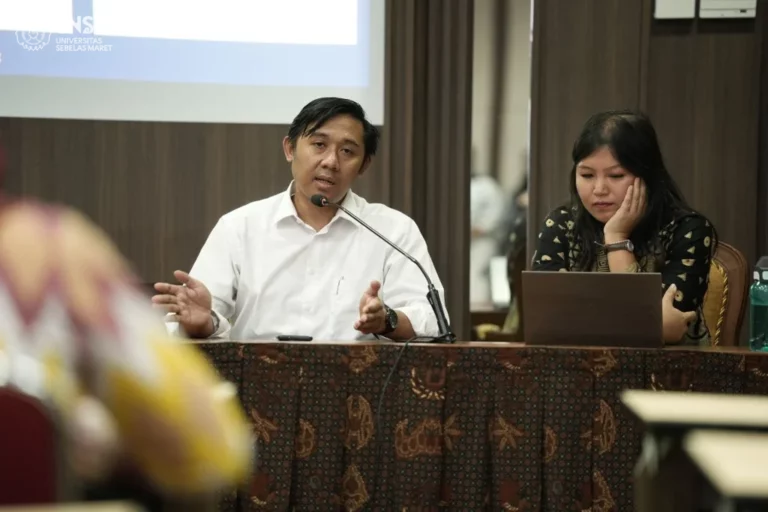
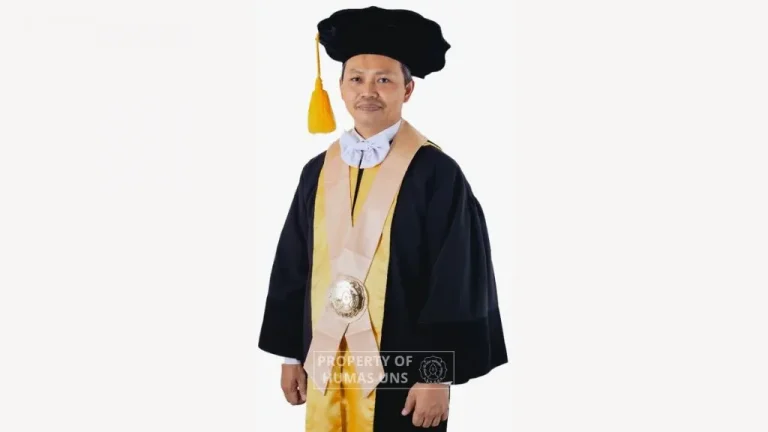
Speaking to uns.ac.id, Betty Suryawati, dr. M. Biomed Sci, Ph.D., Sp.MK, Head of the Undergraduate Medical Study Program at the Faculty of Medicine, Universitas Sebelas Maret (UNS) Surakarta, explained that HMPV is a pathogen responsible for upper respiratory tract infections. Its symptoms resemble the common cold or flu, including fever, sore throat, nasal congestion, and cough.
dr. Betty emphasized that although both HMPV and COVID-19 affect the respiratory system, they are different. HMPV belongs to the Paramyxoviridae family, while the virus responsible for COVID-19, SARS-CoV-2, is part of the Coronavirus family.
“HMPV and COVID-19 differ in transmission, replication, and pathogenesis mechanisms. HMPV infections typically cause mild to moderate symptoms such as fever, cough, runny nose, and sore throat. However, children and individuals with weakened immune systems may develop pneumonia-like symptoms. Even so, HMPV is generally milder than COVID-19,” she explained on Friday (24/1/2025).
How HMPV Spreads and Ways to Prevent It
Like most other respiratory viruses, HMPV spreads through airborne transmission and contact with contaminated objects.
“Infected individuals can spread HMPV through sneezing, coughing, or touching objects with virus-contaminated hands. The virus can linger on frequently touched surfaces like doorknobs and public surfaces. If contaminated hands touch the eyes, mouth, or nose, infection can occur,” dr. Betty added.
To prevent HMPV transmission, the UNS Faculty of Medicine lecturer highlighted the importance of strengthening immunity. People can boost their immune systems by eating nutritious food, staying hydrated, getting enough rest, and maintaining proper hand hygiene—especially after visiting public places.
“Most viral infections resolve on their own if the immune system is strong. Respiratory infections caused by HMPV do not require specific treatment. Instead, people should focus on strengthening their immune system through a healthy diet, sufficient rest, and proper hand hygiene. To reduce the risk of transmission, wearing a mask in public places is advisable, particularly for vulnerable individuals,” she explained.
Managing HMPV Symptoms
HMPV symptoms can be managed with over-the-counter medications like paracetamol or flu relief medicines. Patients with HMPV do not need to self-isolate. Instead, they should wear a mask and follow proper cough etiquette. Covering the mouth and nose with the inner elbow while coughing or sneezing, rather than using hands, helps prevent the spread of virus-laden droplets.
By practicing these preventive measures, individuals can reduce the risk of HMPV transmission and maintain better respiratory health.
HUMAS UNS
Reporter: Annisa
Editor: Dwi Hastuti